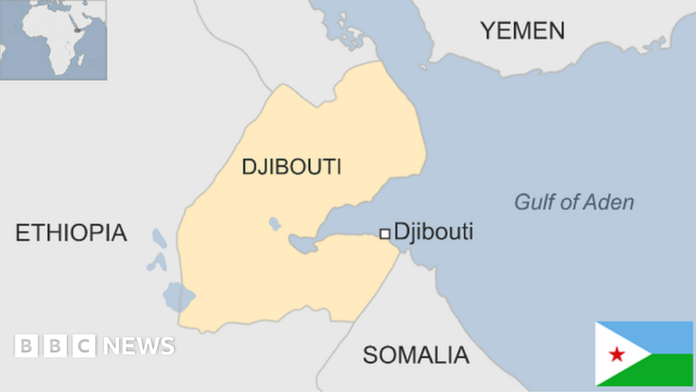
The government of Djibouti has officially established a high-level ministerial task force to protect the country’s economy from the escalating instability in the Middle East. Announced following a cabinet meeting chaired by President Ismail Omar Guelleh, this decision aims to mitigate the economic impact of regional conflict on domestic inflation and maritime transport supply chains.
The formation of this task force is part of Djibouti’s “Economic Resilience Plan” unveiled earlier this month. At a time when military conflict between major powers is disrupting international fuel and food markets, Djibouti’s heavy reliance on imports and its strategic port location have made the nation particularly vulnerable to these disruptions.
The new task force is structured to serve as a center for economic crisis management. It includes the heads of the Ministries of Economy, Foreign Affairs, Trade, Infrastructure, and Energy, as well as representatives from the private sector. A government spokesperson told the Djibouti News Agency (ADI), “The goal is to prevent uncontrolled price increases, especially for basic commodities and domestic fuel. By monitoring market fluctuations in real-time, we can intervene before external impacts escalate into a cost-of-living crisis.”
The primary activities of the task force include market monitoring, which involves implementing strict controls on retail prices to prevent unfair price hikes. This ensures that the cost of living remains manageable for citizens despite global market pressures.
Another core focus is the diversification of supply chains. The task force aims to reduce the country’s heavy reliance on high-risk trade routes in the Red Sea, thereby securing a more stable flow of essential goods from alternative sources.
Lastly, the task force will emphasize collaboration with the private sector. This includes working in close coordination with the Djibouti Ports and Free Zones Authority (DPFZA) to ensure the continuous and uninterrupted entry of basic commodities through the nation’s logistics hubs.
This meeting follows a tripartite summit held in early March between President Guelleh, Ethiopian Prime Minister Abiy Ahmed, and Somali President Hassan Sheikh Mohamud. At that time, the leaders warned that a prolonged conflict in the Middle East could disrupt economic integration across the Horn of Africa.
With Brent crude oil trading at approximately $82 per barrel and Red Sea shipping insurance costs rising by 50%, the task force faces a formidable challenge ahead. Aboubaker Omar Hadi, Chairman of the DPFZA, emphasized during the meeting that maintaining the efficiency of Djibouti’s port infrastructure is critical not only for the country itself but also for its landlocked neighbors.