International humanitarian agencies are sounding the alarm regarding the dire humanitarian crisis unfolding in Ethiopia. As of March 2026, the United Nations High Commissioner for Refugees (UNHCR) has officially declared a Level 2 Emergency due to the significant increase in the number of refugees entering Ethiopia as a result of instability in South Sudan.
With the total number of registered South Sudanese refugees in the country rising to 447,600, aid organizations are struggling to provide essential services in extremely remote and difficult environments.
The scale of displacement has reached a critical level, with 50,030 new arrivals recorded during this reporting period alone, placing immense pressure on existing infrastructure. Data regarding the condition of arriving refugees indicates a deeply concerning situation: 57% are female, and children constitute the largest share of registered refugees in the Luakdong area.
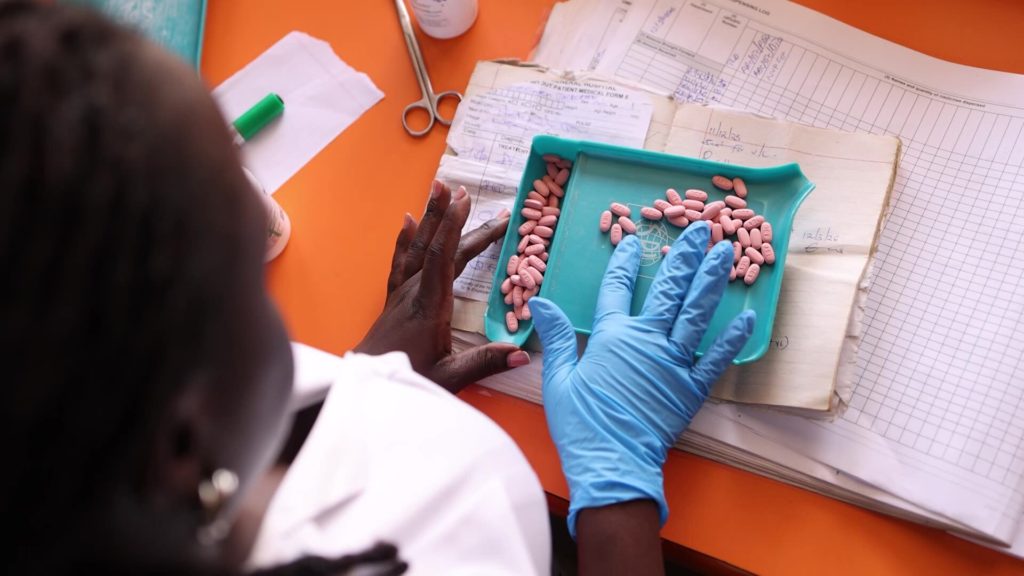
To manage this massive flow, 18 partner organizations have been deployed under the Emergency Response Plan to work around the clock in locations such as Luakdong and Tormorok, providing primary healthcare, managing emergency referrals, and ensuring safe delivery services for expectant mothers.
Despite mounting pressure, health partners have achieved significant milestones in disease prevention and maternal care even under challenging conditions. To prevent catastrophic outbreaks in congested shelters, teams vaccinated 30,780 children against Polio (OPV) and 27,548 children against Measles.
The fight against waterborne diseases resulted in 53,406 people receiving the Oral Cholera Vaccine (OCV), while rapid response teams identified and appropriately treated 605 cholera cases. Furthermore, medical screening teams supported the safe movement of 21,333 refugees from Tormorok to Luakdong, and 79% of deliveries were attended by skilled health workers. Additionally, over 680 individuals received specialized mental health or psychosocial support to address the psychological trauma caused by displacement.
The humanitarian response is currently grappling with significant operational constraints. While more than 67,700 health consultations were conducted during this period, the capacity to provide 24-hour service is being limited by chronic staffing shortages. Logistical hurdles are equally difficult, as the transport of emergency medical cases requires security escorts, leading to life-saving service delays.
Moreover, entry points such as Tiergol lack sufficient support, creating high pressure on already overstretched facilities. There is a high risk of a widespread health crisis in areas like Akobo and Wanthoa, which suffer from severe congestion and a lack of basic water and sanitation infrastructure. Currently, malaria accounts for 26% of proportional morbidity, highlighting the desperate need for additional medical supplies and disease control methods.
Although the crude mortality rate has been maintained at 0.03 per 10,000 people per day, UNHCR has announced that service delivery capacity has reached its limit. The capacity to receive patients at secondary health facilities, such as Nyinenyang, is inadequate relative to the scale of need. The declaration of a Level 2 Emergency is a call to the international community for additional financial and material support.