
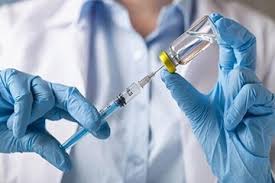
Ethiopia has announced the commencement of strategic preparations to manufacture cancer treatment medications locally, aiming to reduce its foreign dependency on pharmaceutical supplies and ensure national drug security.
Centered in the Kilinto Pharmaceutical Special Economic Zone (KPSEZ), this initiative is expected to transform the country’s healthcare system, which currently relies 100% on imported cancer drugs.
A detailed feasibility study is underway to evaluate the technical and economic viability of domestic production, as the Ministry of Health reports that while Ethiopia meets approximately 42% of its general medicine needs locally, high-tech oncology treatments have remained exclusively dependent on foreign suppliers.
In light of this, investors are already securing land within the Kilinto zone to begin their projects, supported by tax incentives and specialized infrastructure designed to attract international pharmaceutical manufacturers.
The Armauer Hansen Research Institute (AHRI) will lead the technical support and validation work; Assistant Professor Mesay Woldemariam, Deputy Director of the Pharmaceutical Industry Development Sector at AHRI, emphasized that local production is not merely a matter of cost but a critical step toward “national drug security.”
He noted that the research will confirm if domestic manufacturing is more sustainable than importing, ultimately enhancing access to life-saving treatments.
The urgency of this project is highlighted by the country’s worsening health crisis, with over 83,000 new cancer cases reported annually in Ethiopia. Breast cancer remains the leading cause of cancer mortality among women, while cervical cancer stays a major threat due to a lack of screening and treatment services.
Additionally, leukemia has been identified as one of the most common cancer types among children in Addis Ababa. Lelisa Amanuel, a Senior Advisor at the Ministry of Health, pointed out that while late-stage diagnosis is a primary cause of death, the high price and supply shortages of medications are equally significant barriers.
Despite these promising steps, challenges remain, including potential supply chain risks for raw materials due to fuel shortages and transport disruptions linked to Middle East tensions. Furthermore, producing cytotoxic (cancer) drugs requires extreme caution, specialized safety protocols, and a highly skilled workforce.