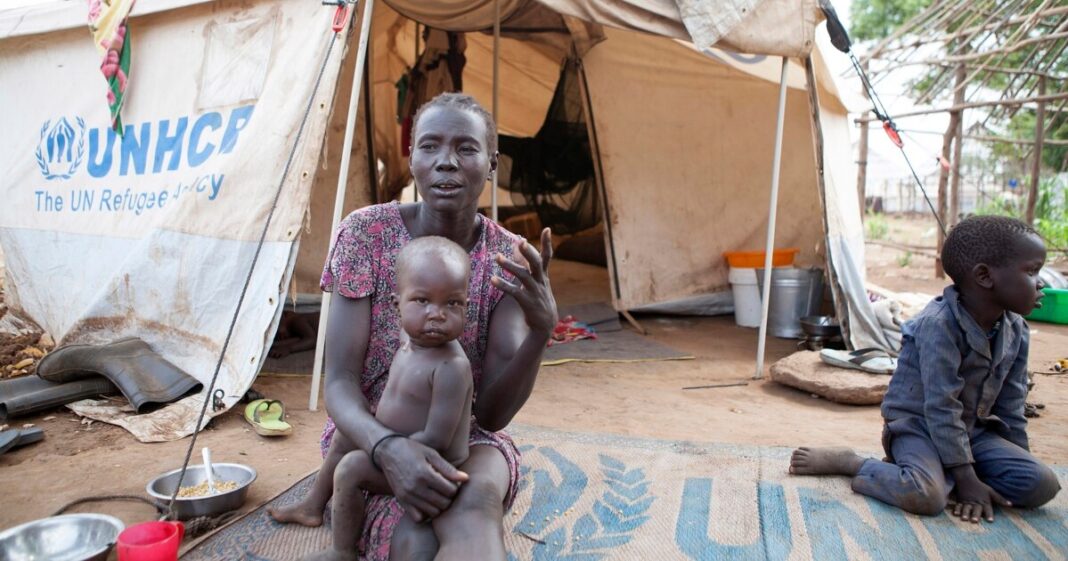
In the HIV clinic of McConnell Hospital, Dr. Otim Pius stands as a solitary figure against a rising tide of sickness. Where there were once four physicians managing the care of more than 3,200 patients, he is now the only one left. This crisis was not sparked by a new pandemic or a natural disaster, but by a political shift 8,000 miles away in the United States.
Following the Trump administration’s 2025 dissolution of the U.S. Agency for International Development (USAID), the healthcare delivery systems in East Africa have fractured, leading to a sharp increase in preventable deaths.
Although Secretary of State Marco Rubio issued exemptions for what he termed “life-saving humanitarian assistance,” the definition of that aid has proven dangerously narrow. In many Ugandan clinics, HIV medications provided through the PEPFAR program remain on the shelves, but the infrastructure required to get those drugs to the patients has collapsed.
As Dr. Pius explains, “Having the drugs at the health center does not mean they are accessible. For patients in remote rural areas, even a $10 transportation cost is an insurmountable barrier.” The data is grim: local health officials report that mortality rates for HIV and related illnesses—such as TB and meningitis—doubled in the months following the USAID shutdown. While the situation has stabilized somewhat with the replenishment of drug supplies, the death rate remains significantly higher than it was 15 months ago.
The funding cuts have dismantled more than just medical supply chains; they have destroyed local institutions. Organizations like the SIKYOMU Development Organization, which served remote fishing communities near Lake Victoria, have seen their budgets completely evaporated. These NGOs served as a vital bridge to healthcare by providing counseling, vocational training for high-risk youth, and transportation subsidies.
Marjorie Namale, the organization’s executive director, notes that the absence of this support has accelerated a cycle of poverty and disease. “The girls used to learn skills like hairdressing to avoid sex work,” Namale says. “Now, that hope is gone. They cannot access condoms, they cannot get tested, and they cannot afford the $3 fare to reach a health center.”
This desperate situation has forced many into a heartbreaking dilemma: choosing between food and medicine. Patients like 23-year-old Joan have had to divert their meager transportation money to feed younger siblings, leading to inconsistent medication adherence and dangerous health complications. These personal tragedies highlight the human cost of a policy shift that overlooks the logistical realities of the world’s most vulnerable populations.
The Trump administration defends this new approach under its “America First Global Health Strategy,” arguing that true assistance should lead to self-sustainability. This policy requires African nations to increase their own national health spending in exchange for U.S. grants. However, health researchers like Peter Waiswa of Makerere University point out a stark reality: while African governments long ago pledged to allocate 15% of their budgets to health, most currently contribute only 4% to 7%. “It is time for African governments to step up,” Waiswa acknowledges, “but these community health systems were built on American support, and those systems have not yet recovered.”