
The medical humanitarian organization Médecins Sans Frontières (MSF) issued an urgent statement today warning that a sharp 40% increase in the price of water trucking in Somalia could collapse the country’s already fragile health services.
This price hike, driven by the escalating conflict in the Middle East and the resulting global fuel shortage, has left thousands of families unable to afford the journey to life-saving medical facilities. In cities like Baidoa, the cost of a single water truck trip has risen from $50 to $70, while fuel prices in the Mudug region have jumped by 33%.
For many Somalis, this economic shock has turned medical emergencies into an impossible financial calculation, creating a desperate choice between water and healthcare. “We delayed coming because we could not afford the transport,” said Halima Omar, who traveled 12 hours with her 45-day-old son to reach the Mudug Regional Hospital.
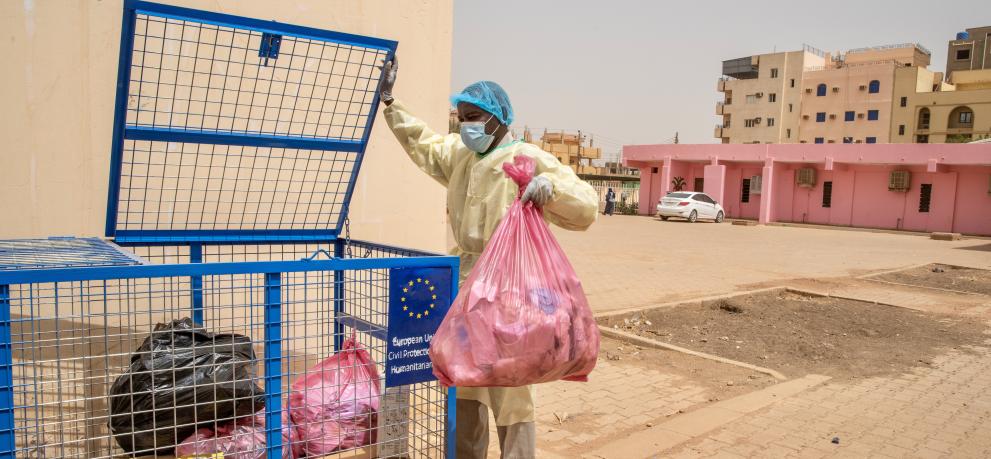
According to MSF reports, because families are exhausting their limited funds on transport and basic water needs, children are arriving at hospitals only after their condition has become critical. The crisis has further worsened the situation by increasing the cost of running hospital generators and deploying ambulances by 20%.
The impact of this price surge is particularly devastating as it comes while Somalia is already struggling with a severe drought and food insecurity.
Last year alone, MSF centers in Baidoa saw a 42% increase in admissions for severe malnutrition. Furthermore, since the beginning of 2025, more than 200 health and nutrition centers across the country have closed due to drastic cuts in international humanitarian aid.
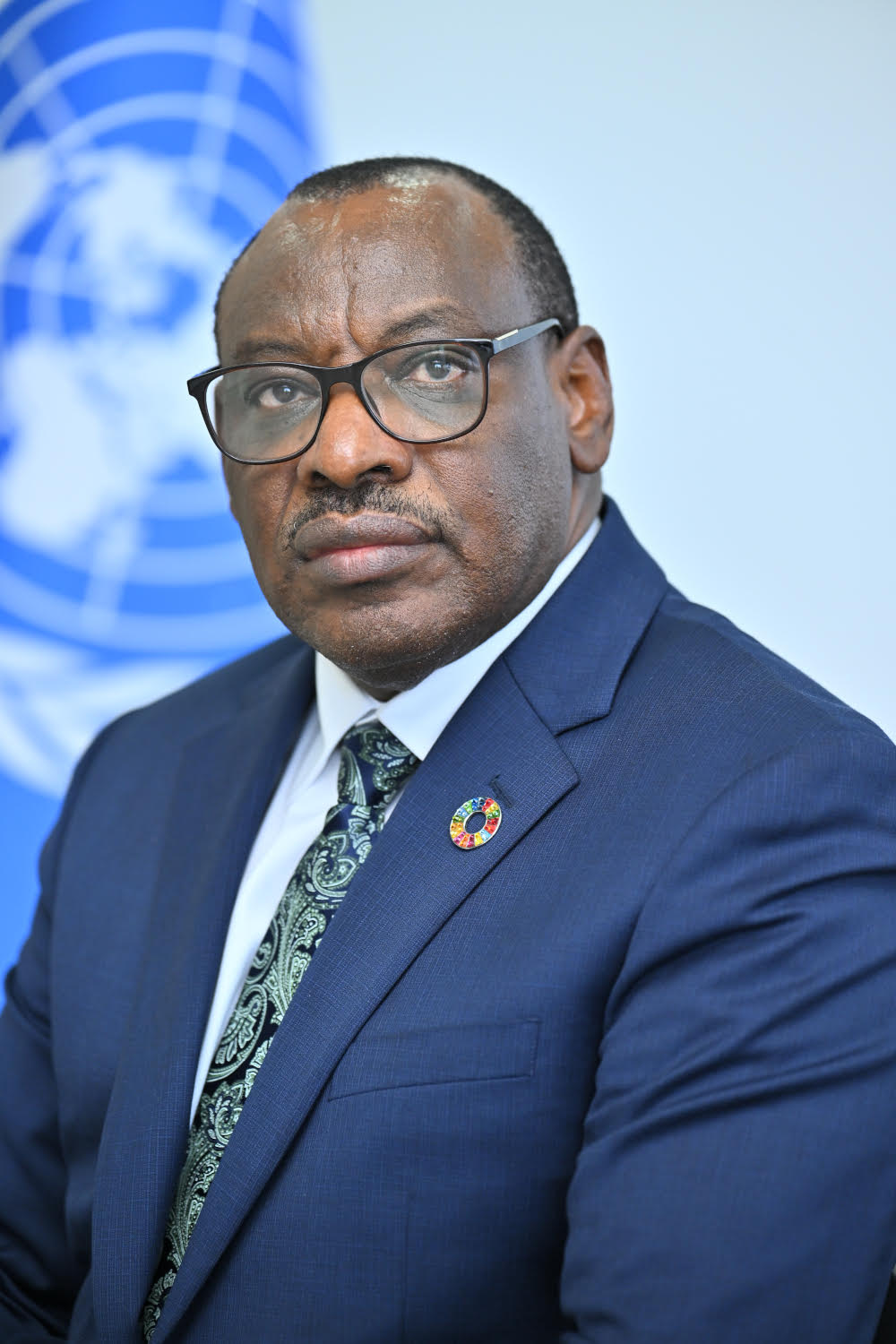
Dr. Elshafie Mohammed, MSF Country Representative in Somalia, emphasized the gravity of the situation, stating, “Fuel is becoming scarce and the prices are becoming unaffordable; it is our patients who are paying the price.
Mothers cannot reach maternity wards, and malnourished children are left without reaching feeding centers.” MSF has called on the international community and non-governmental organizations to provide an urgent response.
The organization warned that unless a coordinated effort is made to stabilize supply lines and provide emergency financial support, millions of people will have nowhere to turn as the health system completely weakens.