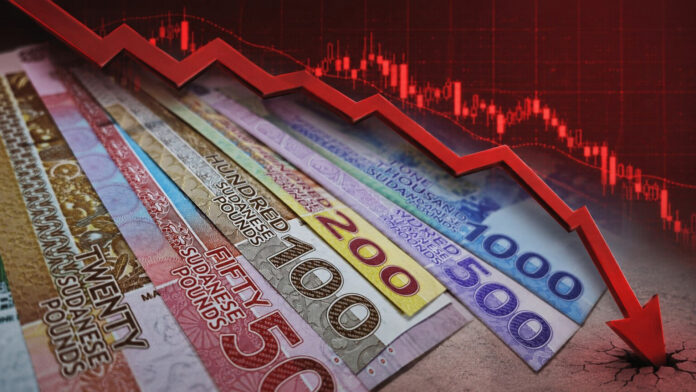
Sudan’s Sovereignty Council chairman, Abdelfattah El Burhan, has cancelled a cabinet decision that banned imports of 46 goods, a move aimed at easing pressure on consumers as the country’s currency weakens and prices continue to soar. The decision comes as the US Dollar climbed to SDG 10,300 on Thursday, and annual inflation reached 28.29% in September, up from 26.14% in August.
Finance Minister Jibril Ibrahim said the decision takes account of consumers’ needs while providing measures to protect domestic producers. Traders and consumers have reported an immediate fall in some prices following the announcement, offering brief relief in a market long squeezed by rising costs.
The National Importers’ Chamber welcomed the move but called on Prime Minister Kamil Idris to issue a clear, enforceable decision cancelling Resolution No. 74, which had introduced the restrictions. The chamber’s chairman, El Sadiq Jalal El Din Saleh, said the import ban had disrupted markets and caused substantial losses to importers, warning that ambiguity over the cancellation could leave traders exposed to penalties.
Currency dealers reported that the Dollar rose on Thursday to SDG 10,200 for buying and SDG 10,300 for selling, an increase of SDG 100 from Wednesday. Experts expect further increases, particularly following the lifting of the import restrictions, as renewed demand for foreign currency to pay for goods puts additional strain on the pound.
According to the Central Bureau of Statistics, monthly inflation reached 7.5% in September, while food and drink prices rose by 17.26% during the month, with annual inflation in the category reaching 36.81%. Annual inflation was significantly higher in urban areas, at 40.35%, than in rural areas, at 21.18%, reflecting the sharper impact of import costs and market disruption in towns and cities.
Economists attribute rising inflation to the destruction of Sudan’s productive base during the war, growing dependence on imports, the depreciation of the pound, and the use of the customs Dollar to calculate duties. Taxes, customs charges, and transport costs have added to the burden on consumers.
The conflict has also prevented many people from returning to agricultural and other productive areas, restricting domestic supplies. Markets remain fragmented between areas controlled by the Sudanese Armed Forces and the Rapid Support Forces, while production and supply chains have yet to recover.