The United Nations Human Rights Council, a record coalition of nations has voted to extend the mandate of the UN Fact-Finding Mission for the Sudan. The renewed backing underscores an intensifying global resolve to pursue accountability for atrocities committed amid the devastating conflict, even as international human rights advocates warn that further operational measures are urgently required.
The resolution, which secured strong approval in Geneva, marks a critical turning point for international oversight of the Sudanese conflict. For the first time since the investigation’s inception, several new nations—notably the Gambia, Mauritius, and Malawi—joined South Africa and a diverse cross-regional group of states in voting affirmatively.
This broad coalition signals a growing recognition among developing and developed nations alike that combating rampant impunity is paramount. Speaking in strong support of the measure, representatives from the Gambia invoked their own national history, emphasizing that truth, justice, and accountability form the foundational bedrock upon which any sustainable peace and reconciliation must be built.
The UN Fact-Finding Mission is officially mandated to investigate widespread human rights violations and abuses perpetrated by all warring parties in Sudan. Crucially, the body is tasked with collecting and preserving vital evidence to help identify perpetrators and lay the groundwork for future domestic and international prosecutions.
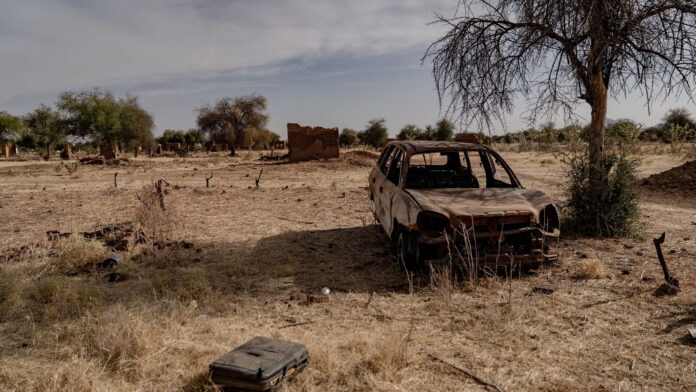
Over the past year, the mission has delivered harrowing reports detailing the scale of the crisis. Among them was a specialized inquiry into the brutal assault on El Fasher by the paramilitary Rapid Support Forces (RSF)—an offensive investigators concluded bore the distinct hallmarks of genocide. Additionally, the mission published extensive findings exposing how external actors have actively fueled the war.
The newly endorsed UN resolution explicitly highlights the existence of a sophisticated “transnational network” sustaining the RSF. This external support apparatus includes the supply of foreign weapons, logistical backing, tactical training, and foreign personnel. By drawing attention to these supply chains, the Human Rights Council underlined the critical necessity of extending scrutiny across the full chain of responsibility to hold external enablers accountable for serious international crimes.
Despite the diplomatic milestone of the mandate’s renewal, human rights organizations have pointed out critical shortcomings in the council’s final action. Civil society groups had strongly urged member states to actively strengthen the mission’s technical and operational capacity to collect and preserve evidence. Regrettably, the text adopted by the council did not include these vital structural reinforcements.
Advocacy directors are now urging the states that spearheaded the resolution to look beyond the vote and consider proactive mechanisms. Experts stress that evidence must be meticulously secured and prepared in real time if prosecutors are to build watertight cases against commanders and foreign backers alike. Furthermore, African nations that championed the initiative are being encouraged to push for the African Union Peace and Security Council to formally review complementary findings, such as those compiled by the African Commission on Human and Peoples’ Rights (ACHPR).