
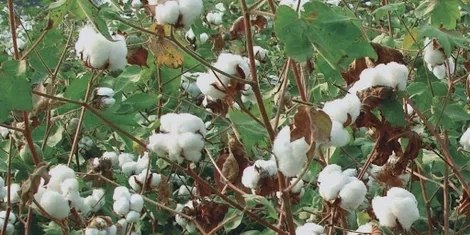
Kenya has been officially listed alongside six other African nations as having commercially cultivated genetically modified crops, according to comprehensive data released by the National Biosafety Authority (NBA). The updated global inventory, which spans plants, animals, microorganisms, and veterinary vaccines, positions Kenya among a select group on the continent—including South Africa, Nigeria, Ethiopia, Eswatini, Sudan, and Malawi—where specific biotech crops are actively grown by farmers. For Kenya, the primary crop driving this commercial status is Bt cotton.
The introduction of Bt cotton marked a strategic turning point for a domestic textile sector that had experienced a prolonged slump. Historically serving as a vital smallholder cash crop and a core supplier of raw materials for local ginneries and processors, Kenya’s cotton industry eventually faltered under the weight of persistent pest pressures, diminishing yields, high input expenses, and systemic marketing bottlenecks. Among the most destructive biological threats to harvests was the African bollworm. Growers traditionally depended on intensive, recurring applications of chemical pesticides to keep the pest at bay, driving up operational costs while achieving limited success.
To counteract these vulnerabilities, Kenya approved the cultivation and commercial importation of Bt cotton seed in December 2019, with widespread planting officially getting underway in 2020. Engineered through the introduction of an insect-killing trait derived from Bacillus thuringiensis—a naturally occurring soil bacterium—the genetically modified variety is specifically designed to provide built-in protection against caterpillar pests like the African bollworm. Advocates of the technology have consistently highlighted its capacity to suppress pest-driven crop damage, scale down the frequency of chemical spraying, and bolster overall farm profitability.
Recent operational figures underscore the expanding footprint of the crop across the country. In 2025, approximately 14,575 hectares of Bt cotton were cultivated across 21 counties, yielding an estimated 12,000 bales of lint annually. Active ginneries supporting this production chain currently operate in several regions, including Makueni, Kitui, Tharaka Nithi, Baringo, Busia, and Meru. Despite these encouraging developments, agricultural experts note that the performance of the crop remains subject to external variables, such as erratic rainfall patterns, localized soil differences, seed availability, and overall farm management standards.
At the same time, stakeholders emphasize that the commercialization of Bt cotton has not served as an overnight panacea for every structural challenge facing the agricultural value chain. Kenyan cotton farmers continue to navigate hurdles related to affordable seed distribution, steep input prices, weak marketing structures, and heavy market competition from imported second-hand clothing.
Furthermore, regulatory authorities have clarified that Kenya’s inclusion on the global commercial GMO list applies strictly to approved crops currently in production. Other genetically modified varieties—such as GM maize, virus-resistant cassava, and late-blight-resistant potatoes—have advanced through various phases of research, localized confined field trials, and regulatory evaluations. However, officials stress that these ongoing scientific milestones do not equate to commercial cultivation, as their broader public release remains contingent upon the finalization of statutory approval processes.