Tensions along the vital East African transit corridors have reached a boiling point following a disturbing escalation in security threats for foreign transporters. Ugandan truck drivers operating inside South Sudan have formally accused the host country’s military of forcibly seizing commercial vehicles in Bor City, Jonglei State. According to affected operators, the military has commandeered civilian transport assets to ferry troops to undisclosed locations, putting lives and livelihoods in immediate jeopardy.
The incident unfolded when at least four Ugandan-registered trucks were hijacked. Two of the vehicles were seized at the Laudheli Landing Site, while another two were impounded directly in Mina Township. Transport operators carrying commercial goods, including fish, have been ordered to abruptly offload their cargo so their trucks can be repurposed for military conveyances.
The situation has turned violent. Reports indicate that at least one driver who refused to comply and drive his vehicle to a military facility was severely beaten, sustaining significant injuries. The brazen nature of the seizures has sparked widespread panic among the community of Ugandan transporters who routinely risk their lives to navigate the critical Nimule-Juba transit route. Isaac Katabazi, chairperson of the Regional Truck Transformation Initiative, issued a stern condemnation of the military’s actions. He warned that forcibly requisitioning civilian vehicles strips transport operators of their neutral status and places a dangerous target on their backs.
While South Sudanese armed opposition groups have historically avoided targeting foreign civilian vehicles, they routinely attack government and military transports. By converting private Ugandan assets into military conveyances, the South Sudanese army drastically increases the risk of rebel ambushes. Transporters fear that if their vehicles are damaged or destroyed in active combat zones, they will receive no compensation, leading transport firms to consider suspending cross-border deliveries altogether. This latest crisis highlights a persistent and worsening security landscape for regional haulers. Commercial drivers navigating South Sudan frequently face armed ambushes, violent robberies, and fatal attacks by militia groups and unidentified gunmen. Compounding these physical dangers is widespread extortion at illegal roadblocks, where armed actors impose unlawful fees and harass transport crews.
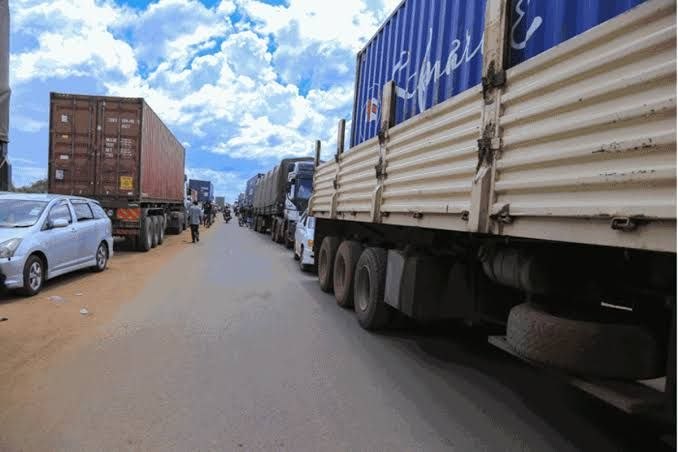
These mounting perils have previously culminated in crippling strikes, with hundreds of cargo trucks intentionally grounded at the Flegu border point in Uganda as drivers demand actionable safety guarantees. Transport associations point to the breakdown of previous joint bilateral patrols as a major factor leaving drivers completely unprotected.
The Regional Truck Transformation Initiative has initiated high-level engagements with South Sudanese authorities to demand an immediate halt to the vehicle seizures and secure the safe release of the detained drivers and trucks.
Beyond the immediate human cost and risk of physical harm, these chronic disruptions threaten to severely choke supply chains into South Sudan. Prolonged delays and diminished transport capacity drive up commodity prices, creating deep economic strain for cross-border merchants and everyday consumers on both sides of the border.