Tensions along the Nile River basin have escalated sharply following a strongly worded warning from Egyptian authorities regarding Ethiopia’s water infrastructure plans. Cairo has officially condemned recent remarks made by Ethiopia’s water and energy minister concerning the construction of additional dams on the shared waterway, labeling the initiative as a direct and unacceptable breach of international law.
The diplomatic friction was triggered by statements attributed to Ethiopian Water and Energy Minister Habtamu Itefa, who outlined plans regarding the construction of further dams and the regulation of water flows destined for downstream nations Egypt and Sudan.
Responding to these developments via Egypt’s official MENA news agency, an anonymous high-ranking Egyptian official minced no words. The source characterized the Ethiopian minister’s public comments as the continuation of a dangerous, unilateral approach to managing a vital transboundary resource.
Furthermore, Cairo accused Addis Ababa of harboring “continued delusions” that a single nation can exert total authority over an international river shared by multiple countries, operating outside the framework of cooperative governance and consensus.
The Egyptian government made it abundantly clear that its red lines regarding water security remain absolute. The official emphasized that Cairo “will not accept or allow” any regional party to dictate or manipulate the volume of Nile water reaching downstream populations in Egypt and Sudan, whose livelihoods depend heavily on the river.
While the Egyptian state reiterated its preference for diplomatic stability and equitable management of the basin, the official issued a firm reminder that the nation is far from powerless. The government maintains “multiple and wide-ranging tools capable of defending the interests of the Egyptian people in the Nile,” though the official declined to elaborate on the specific diplomatic, economic, or strategic measures Cairo is prepared to deploy.
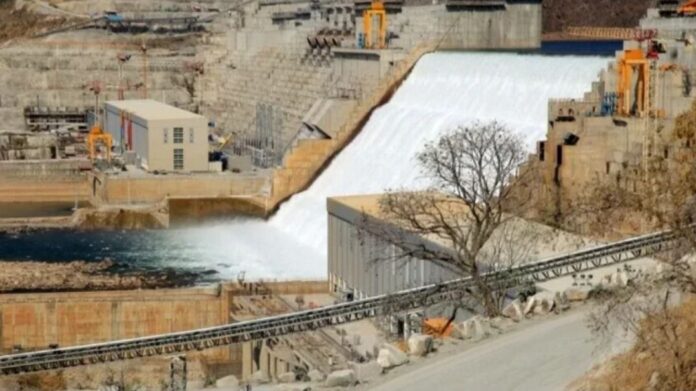
This latest diplomatic confrontation marks another chapter in the protracted, complex negotiations surrounding the Grand Ethiopian Renaissance Dam (GERD) and broader water-sharing agreements. Downstream countries Egypt and Sudan have consistently argued that any unilateral filling and operating rules implemented by Ethiopia threaten their water security, agricultural sectors, and overall economic stability.
International legal experts and regional observers note that the lack of a comprehensive, legally binding agreement governing the filling and operation of upstream projects continues to pose a significant risk to regional peace and stability in the Horn of Africa and North Africa.