The Ethiopian Electric Utility (EEU) and the Kenya Power and Lighting Company (KPLC) have formalized a comprehensive power purchase agreement (PPA). This landmark contract establishes a definitive commercial framework for cross-border electricity trade, marking a significant leap forward in realizing the long-standing vision of a fully interconnected East African energy grid.
The newly ratified framework sets a baseline tariff of 15.5 U.S. cents per kWh for Kenya’s primary electricity distributor. To ensure financial sustainability and system reliability, the agreement mandates an additional monthly demand charge of approximately $6.52 USD. This structured pricing model optimizes bilateral electricity monetization while guaranteeing a stable power supply for border populations and driving the broader geopolitical goal of regional energy integration.
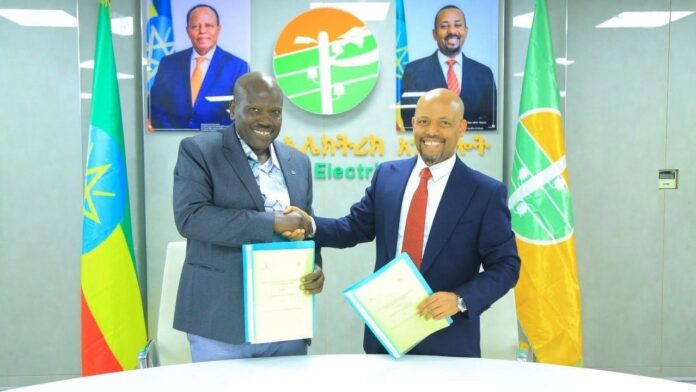
The PPA was officially signed by EEU Chief Executive Officer Getu Geremew and KPLC Managing Director and CEO Joseph Siror. During the ceremony, Geremew hailed the agreement as a prime model of regional synergy, demonstrating the tangible economic advancements achievable when East African utility frameworks align. He emphasized that the initiative materializes a “Connected East Africa,” framing infrastructure development not merely as a commodity exchange but as a critical macroeconomic catalyst for sustainable regional growth.
Echoing these sentiments, Siror noted that the strategic impact of the pact extends far beyond physical transmission networks. He stated that the contract serves as a foundational pillar for long-term peace, shared security, and economic diplomacy between Nairobi and Addis Ababa. Crucially, communities situated along the shared corridor will gain direct access to stabilized grid electricity, strengthening economic and social ties between the two nations at the grassroots level.
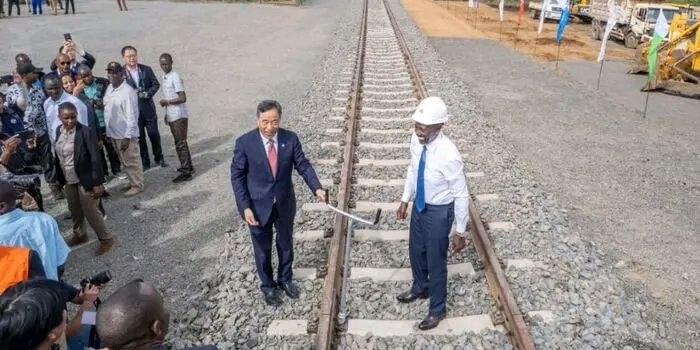
The physical infrastructure enabling this partnership is already fully operational. Funded primarily by the World Bank and the African Development Bank at a cost of $1.26 billion, the 1,045-kilometer, 500 kV High-Voltage Direct Current (HVDC) transmission line connects Wolayita Sodo in Ethiopia to the Suswa substation in Kenya. Operational since late 2022, this Eastern Electricity Highway Project boasts a bidirectional capacity of up to 2,000 MW, allowing the Eastern African Power Pool (EAPP) to dynamically adjust to shifting supply and demand.
For Kenya, the finalized agreement provides a critical lifeline amid escalating energy challenges. The country has faced intense pressure on its domestic reserves due to surging industrial and household demand, compounded by a temporary freeze on new PPAs with independent power producers. Without these Ethiopian imports, Kenya faced imminent power rationing and blackouts. Recent data highlights this reliance, showing Kenya’s electricity imports from Ethiopia surging from 337 million kWh in 2022 to 1.53 billion kWh by mid-2025, making Ethiopia the source of 83 percent of Kenya’s total power imports.
The economic rationale supporting the partnership remains highly compelling. The base import tariff is substantially lower than Kenya’s weighted average domestic generation cost of roughly 9.4 cents per kWh, and vastly cheaper than domestic emergency thermal plants, which can spike up to 23 cents per kWh. This reliance on clean Ethiopian hydropower has already saved Kenya an estimated $10 million annually, reducing its carbon footprint while stabilizing consumer manufacturing costs.
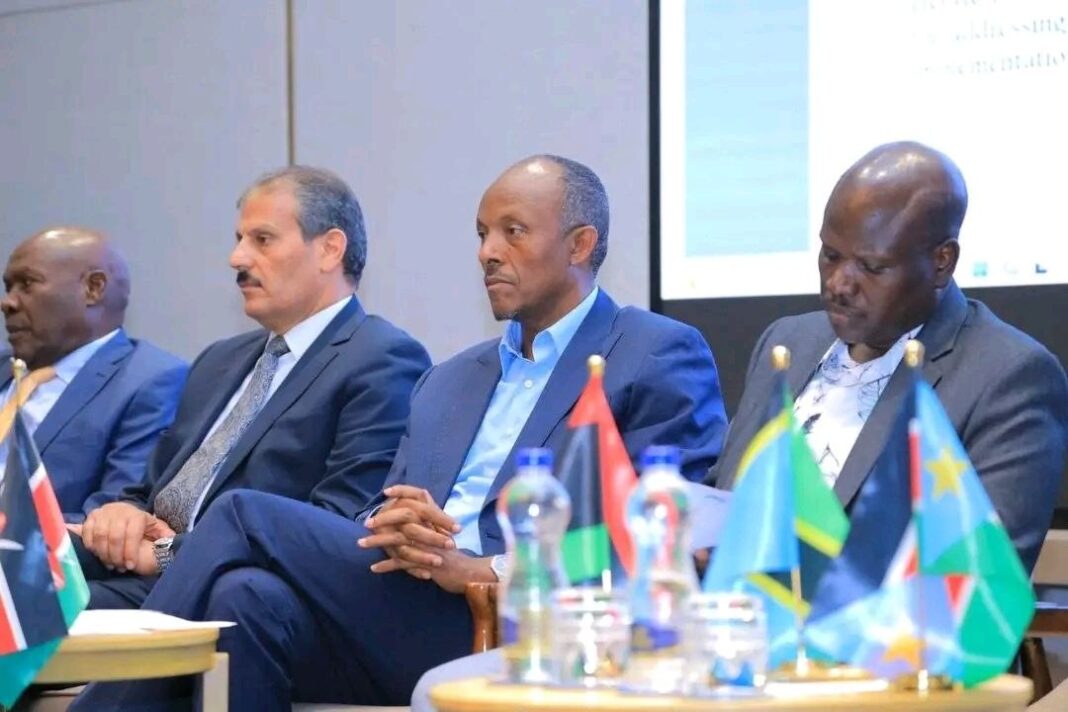
Beyond immediate bilateral benefits, energy analysts view the contract as a pivotal mechanism for the 13-member Eastern Africa Power Pool. By standardizing commercial wheeling tariffs and transmission protocols, the agreement injects critical momentum into the establishment of a unified regional power market. This framework sets a sophisticated precedent that other member states can adopt as the region expands its grid interconnections.
Ethiopia’s emergence as a regional energy hub is underpinned by massive investments in renewable infrastructure, including the Grand Ethiopian Renaissance Dam (GERD). The nation already exports electricity to Djibouti, Sudan, and Tanzania, with feasibility studies underway for connections to South Sudan and Somalia. This cross-border momentum is further mirrored by the recent procurement launch for an 810 km Uganda-Tanzania interconnector.With Ethiopia assuming the EAPP Council of Ministers chairmanship, its commitment to regional power integration is stronger than ever. The enhanced energy security stemming from this grid integration is projected to stimulate manufacturing, reduce industrial overheads, and elevate public service standards across East Africa. Ultimately, this agreement represents a foundational step toward a prosperous, interconnected continent.