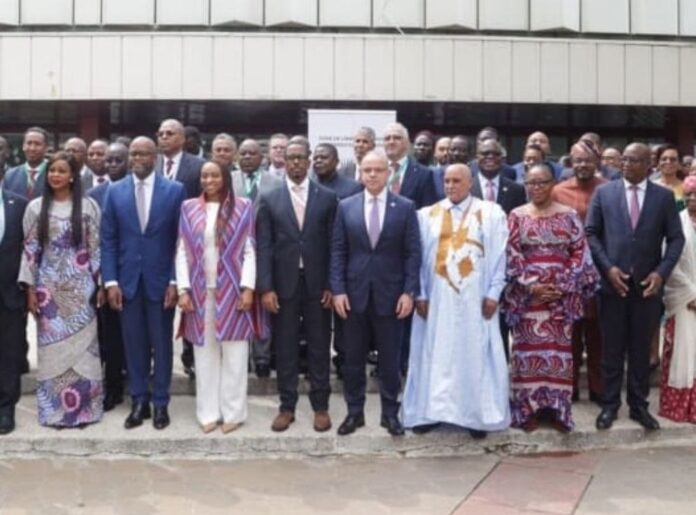
The 18th session of the Council of Ministers of the African Continental Free Trade Area (AfCFTA) concluded recently in Abuja, Nigeria, marking a decisive turning point for the continent’s economic future. Hosted by the Federal Republic of Nigeria, this high-level gathering brought together trade ministers from across Africa during a period of significant global economic transformation. With the foundational legal architecture of the historic trade agreement now largely established, the council made a collective, deliberate decision to pivot their focus away from negotiating rules and toward the practical application of those rules to deliver tangible economic outcomes.
This strategic shift arrives at a critical juncture, as the global trading landscape faces unprecedented fragmentation and shifting geopolitical dynamics. Rising protectionism, disruptions in international supply chains, and intense competition for foreign investment have forced African leaders to rethink continental economic security.
In response to these external pressures, the Council of Ministers emphasized that consolidating Africa’s single market is no longer just an economic goal, but a matter of regional sovereignty. By deepening regional value chains, the continent aims to insulate itself from global shocks and engage with international trading partners from a position of unified strength.
A major highlight of the session was the official transition of leadership within the Council’s Bureau. The Federal Republic of Nigeria, represented by Dr. Jumoke Oduwole, the Minister of Industry, Trade, and Investment, assumed the presidency, succeeding Egypt’s Dr. Mohamed Farid Saleh.
This leadership transition marks a mandate heavily focused on execution and measurable results. While the previous Egyptian leadership successfully oversaw the adoption of key frameworks—including intellectual property protocols finalized during the African Union Summit in early 2026—the incoming Nigerian presidency is tasked with translating those legal milestones into everyday business realities.
To guide this next phase, the newly appointed presidency outlined a clear four-pronged agenda centered on action. The primary focus is to accelerate the implementation of the agreement, moving swiftly from diplomatic commitments to practical market rules. Additionally, the agenda emphasizes strengthening regional value chains so that African nations can trade more processed goods rather than raw materials.
Embracing the digital economy is also a high priority, alongside a concerted effort to expand access to trade finance. This financial push will specifically target small and medium-sized enterprises, particularly those led by women and young entrepreneurs.
The Secrétariat of the AfCFTA, led by Secretary-General Wamkele Mene, provided encouraging evidence that this economic shift is already underway. Statistics revealed that more than 12,000 certificates of origin have already been issued under the agreement, signalling a steady rise in intra-African commerce.
More importantly, data shows a gradual but significant restructuring of trade patterns, with African nations increasingly trading manufactured goods and agro-industrial products rather than relying solely on raw commodity exports. The Secretariat also announced the upcoming establishment of the AfCFTA Intellectual Property Office to foster innovation on a continent that currently accounts for less than one percent of global patent applications, keeping Africa on track for full market liberalization by 2030.
Ministers advanced a new regulatory framework tailored to secure preferential market access for women, youth, and micro-enterprises. By formalizing these protections, the AfCFTA aims to ensure that small businesses are not sidelined by larger corporations as cross-border trade accelerates.
The inclusion of eight new ministers representing various African nations further underscored the growing collective political will to build an integrated, prosperous, and self-reliant continent.