The government of Puntland State of Somalia issued a stern public statement on Sunday, July 5, 2026, officially asserting its exclusive jurisdictional authority over the management, exploration, and utilization of its natural resources.
In a move that significantly escalates the ongoing political tension between Garowe and Mogadishu, the regional administration has declared that no foreign entity—whether private or governmental—may conduct operations in Puntland’s territorial waters or land without explicit authorization from the state government.
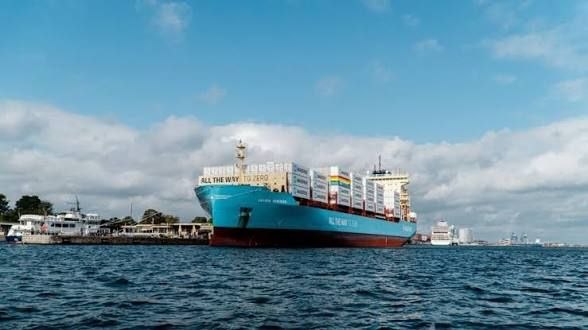
The directive specifically targets recent maritime agreements, including those involving SOMTURK, a commercial fishing company recently established as the fisheries arm of the Turkish military pension fund, OYAK. While the Federal Government of Somalia (FGS) has granted licenses to such entities to operate within the Somali Exclusive Economic Zone, Puntland officials argue that these agreements are null and void within their borders.
“Federal government institutions do not have the legal authority to grant concessions or enter into investment agreements related to the sea and land of Puntland,” the statement read. Citing Articles 44, 51, 52, 53, 54, and 142 of the 2012 Provisional Federal Constitution, as well as Articles 4 and 54 of the Puntland Constitution, the administration contends that it retains constitutional ownership of the resources within its 1,600-kilometer coastline along the Indian Ocean and the Gulf of Aden.
Puntland’s legal argument hinges on the assertion that Somalia’s federal system remains a work in progress. Until the federal constitutional order is fully finalized, harmonized, and ratified through a national process, Puntland maintains that it will continue to exercise the powers vested in it by its own regional constitution. The administration emphasized that the Provisional Federal Constitution requires meaningful consultation and negotiation between the Federal Government and Federal Member States (FMS) regarding the management of national resources—a process it claims has been ignored in recent deals.
The regional government warned that any company attempting to carry out fisheries investments, coastguard operations, or other blue economy activities in Puntland’s waters without a prior agreement with the relevant state authorities will face “inspection and law enforcement measures.”
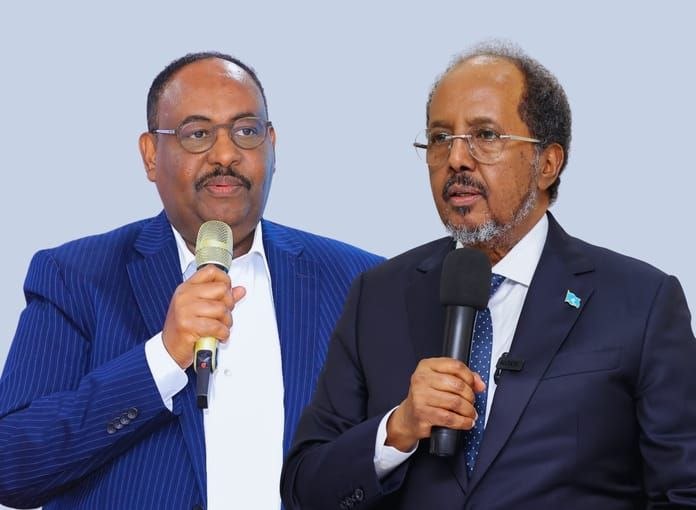
This dispute is the latest in a series of standoffs between Garowe and Mogadishu, reflecting broader disagreements over constitutional amendments, regional security, and the distribution of power. While Puntland reaffirmed its commitment to constructive engagement and invited international partners to pursue “predictable and sustainable investments,” it stressed that any future cooperation must strictly adhere to the principles of transparency, the rule of law, and respect for its constitutional framework.
As the political stalemate deepens, the standoff over maritime resources highlights the fragility of Somalia’s current federal settlement and raises significant questions about the implementation of foreign-backed economic projects in a country where the division of authority between the center and the regions remains a subject of intense contention.