The African Development Bank Group (AfDB) has partnered with UNICEF to launch a massive $54.8 million investment aimed at restoring essential water and sanitation services. This critical initiative is designed to protect hundreds of thousands of children and families from the catastrophic effects of severe water scarcity and escalating health risks.
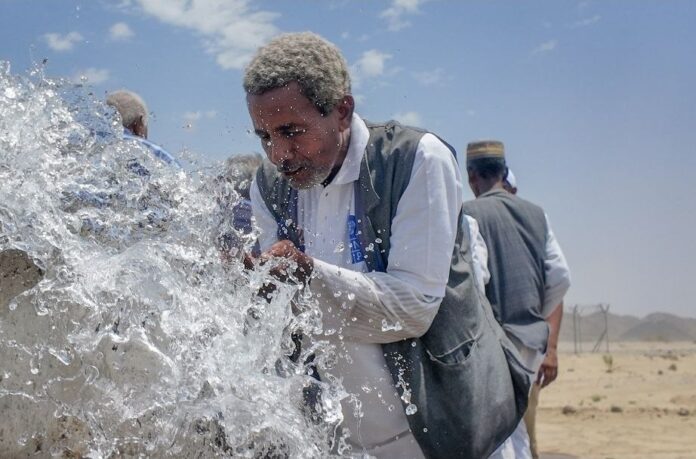
Currently, access to safe drinking water is one of the most critical challenges in Sudan, leaving millions of children vulnerable to debilitating waterborne diseases. The crisis is particularly severe in Port Sudan, where a massive influx of internally displaced families fleeing conflict has pushed the city’s already fragile infrastructure far beyond its limits. At present, the municipal water supply meets less than 40 percent of total demand, leaving a staggering 60 percent deficit that threatens both the resident population and incoming refugees.
Launched on June 9, 2026, the Port Sudan Emergency Water and Sanitation Project is financed through a grant from the African Development Fund (ADF), the concessional lending arm of the AfDB Group, and will be directly implemented by UNICEF. The project aims to provide sustainable access to clean water for up to 750,000 people, including 600,000 residents within Port Sudan, more than a third of whom are internally displaced. Additionally, the initiative will expand sanitation services to 200,000 people and extend critical support to other conflict-affected zones, including vulnerable communities in North and South Kordofan.
UNICEF’s implementation strategy focuses on rehabilitating damaged water sources, pipelines, and distribution networks, while simultaneously expanding hygiene services in schools, health facilities, and local communities to halt disease outbreaks. The project will also prioritize strengthening the technical and administrative capacity of local water authorities to ensure the long-term sustainability of these systems, ensuring that the most vulnerable populations, especially children, maintain continuous access to safe water.
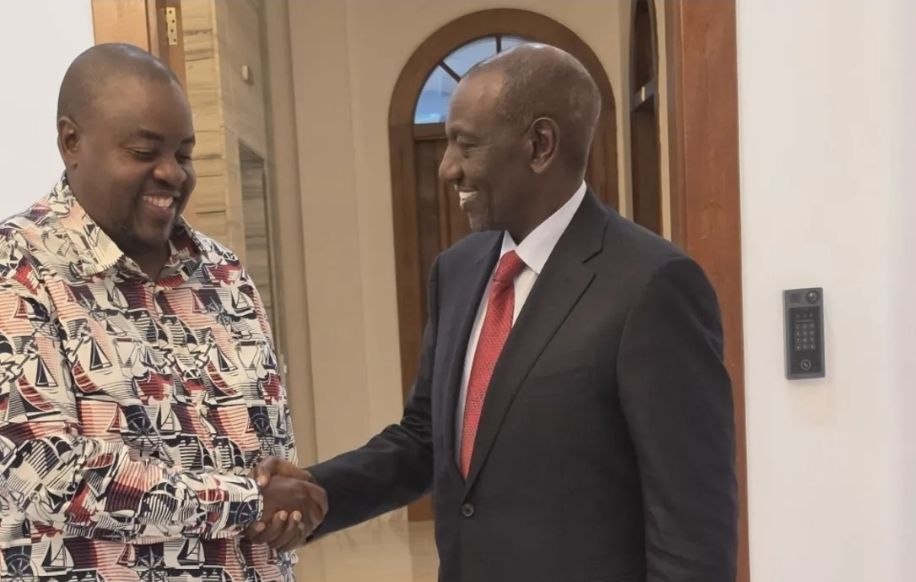
Emphasizing the urgency of the intervention, UNICEF Representative for Sudan Sheldon Yett noted that children are paying the highest price in this conflict, as failing water systems directly expose them to deadly diseases, missed education, and heightened protection risks. Supporting this view, the AfDB’s Sudan Country Manager, David Muthusi Mutuku, stated that by combining immediate emergency responses with long-term, climate-resilient infrastructure investments, the project provides a sustainable roadmap to stabilize communities under immense pressure and prevent future public health emergencies.