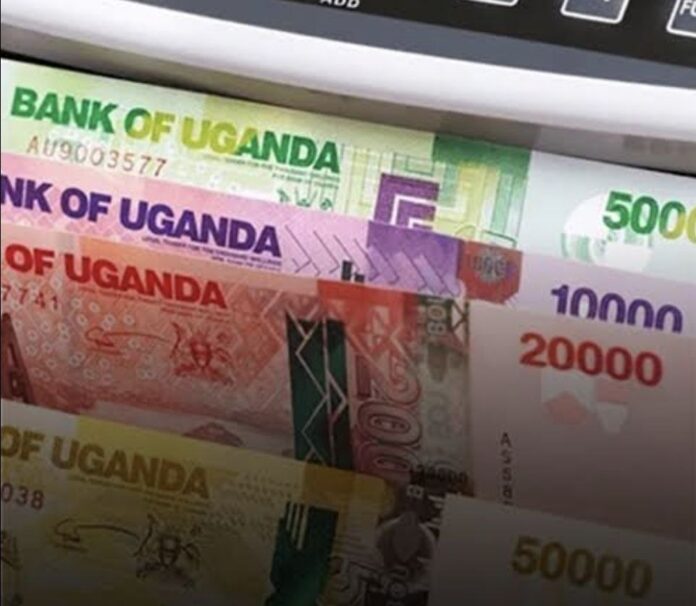
Following a massive $100 billion surge in the digital payments sector, Uganda’s central bank has announced that it will impose strict cash withdrawal and cheque limits starting in 2027. This move is expected to accelerate the country’s efforts toward achieving a fully digital and cashless economy.
According to a directive issued by the Bank of Uganda to commercial banks and microfinance deposit-taking institutions, the new withdrawal limits will come into full effect on January 1, 2027. Under these regulations, individuals residing in Uganda will only be permitted to withdraw a maximum of $13,700 (UGX 50 million) daily and $68,500 (UGX 250 million) weekly. For businesses, the daily cap is set at $137,000 (UGX 500 million), while the weekly limit is restricted to $685,000 (UGX 2.5 billion).
In addition to these measures, the central bank has slashed the thresholds for cheque payments across multiple local and foreign currencies by half. For instance, the maximum volume for Ugandan Shilling-denominated cheques will be reduced from $2,740 (UGX 10 million) to $1,370 (UGX 5 million). Similar strict limits have been placed on US dollar, euro, British pound, and Kenyan shilling cheques. This decision aims to significantly reduce the economy’s reliance on traditional payment methods.
This transition toward a modern payment ecosystem is not sudden; it follows years of remarkable growth in the country’s digital and mobile money transactions. Central bank data reveals that the value of electronic money transactions grew by 28% in 2025, rising from $75 billion to $100.3 billion. Furthermore, the volume of transactions increased by 17.3%, reaching a total of 9.1 billion transactions.
Mobile money, in particular, remains the primary driving force behind this rapid expansion. Last year alone, the value of mobile money transactions spiked by 40% to reach $18.1 billion, while the number of active users climbed to 36.3 million. To support this massive adoption, the mobile money agent network expanded by 27.5%, bringing the total number of active agents to over 1.16 million nationwide.
The central bank stated that its primary objective is to foster transparency and secure the financial ecosystem by building a “modern, digital-first financial landscape.” However, concerns are mounting that the strict enforcement of this directive could pose severe challenges, particularly for small-scale traders, transport operators, and rural populations.
Despite the growing popularity of digital payment channels, physical cash remains deeply embedded in Uganda’s daily economic activities. Many communities still lack reliable internet connectivity, adequate banking infrastructure, and basic digital literacy. Financial experts warn that enforcing these strict cash limits without addressing these fundamental infrastructural gaps could cause significant disruptions to local commerce and everyday economic life.