
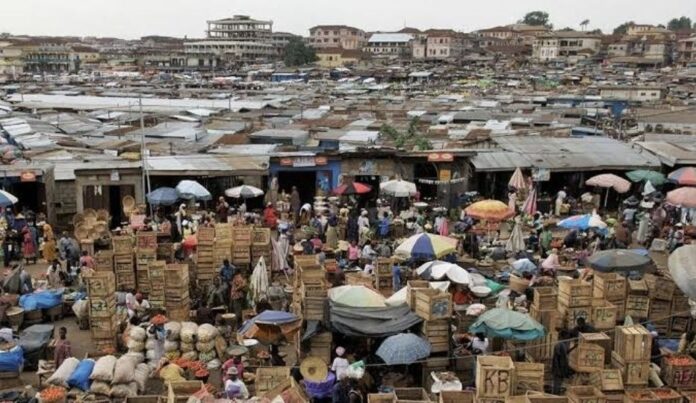
Following a collaborative effort with the Government of the Republic of South Sudan, the World Bank Group officially launched its new analytical report in Juba, titled “South Sudan Urbanization Review: Cities as Anchors of Recovery and Resilience.”
This comprehensive report calls for urgent and coordinated policy actions to effectively leverage the country’s rapidly expanding urban growth as a powerful catalyst for political stability, sustainable job creation, and inclusive macroeconomic transformation.
According to the core findings highlighted in the review, South Sudan currently remains one of the least urbanized nations across the entire globe, with only about one-fifth (20 percent) of its total population residing within designated urban areas. Despite this low baseline, the country’s major cities and smaller peripheral urban centers are expanding at a remarkable and largely unprecedented rate.
The primary structural drivers accelerating this rapid urban migration include widespread population displacement triggered by ongoing localized conflicts, intensifying climate change pressures such as severe droughts and devastating seasonal floods, and powerful economic push factors driving citizens away from rural areas in search of better livelihoods.
This completely unplanned, organic, and highly spontaneous surge in urban population is placing immense strain and operational pressure on the country’s already depleted infrastructure, basic social utilities, and localized institutional governance capacities. Data compiled by the World Bank indicates that since South Sudan achieved its independence in 2011, the country’s urban population has spiked dramatically from 1.7 million to 2.6 million residents.
This statistical shift demonstrates that in just a few years, nearly one million additional people have permanently transitioned into urban environments that lack the baseline services to adequately support them.
The report strongly emphasizes that if this rapid transition is properly managed through the enforcement of well-designed public policies and strategic capital investments, urbanization can instead serve as a highly resilient force to stabilize livelihoods, strengthen decentralized service delivery, and stimulate critical local economies within a fragile and historically conflict-prone environment. In response to these findings, the Vice President of the Republic of South Sudan and Chair of the Economic Cluster, H.E. Dr. James Wani Igga, reaffirmed his government’s administrative commitment to expanding urban management, elevating municipal services, and unlocking inclusive urban growth, while explicitly calling upon international development partners to align their strategic resources with this newly established national roadmap.
Furthermore, Charles Undeland, the World Bank Group Country Manager for South Sudan, pointed out that this ongoing urban transition represents a golden, time-sensitive window of opportunity for the nation to mass-generate youth employment, cultivate localized community resilience, and measurably improve the standard of living for the general population.
He stressed that national and local urban governments must aggressively seize this developmental momentum by implementing risk-informed urban planning, resolving persistent land and resource disputes, and executing targeted investments that translate into tangible public benefits and immediate jobs.
To accelerate this critical urban transformation, the World Bank’s review explicitly outlines a pragmatic, five-point reform agenda. This agenda prioritizes expanding access to fundamental utilities by funding clean water, sanitation networks, drainage systems, and street lighting in underserved neighborhoods; leveraging urban capital to build market hubs, transport corridors, and labor-intensive public works that boost local commerce; strengthening land governance and spatial planning to mitigate legal disputes and manage expansion safely; upgrading data collection and municipal analytics to guide long-term budgeting; and directly empowering national and local authorities through comprehensive institutional capacity-building programs.