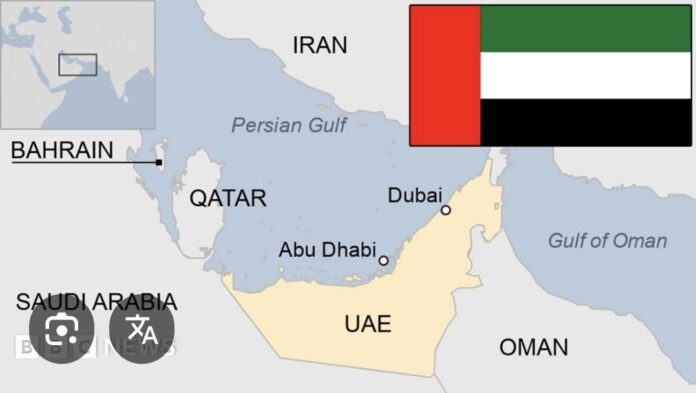
Dubai, UAE
Thousands of Kenyan citizens working in the hotel, hospitality, and related service sectors across the United Arab Emirates (UAE)—particularly in Abu Dhabi and Dubai—have lost their jobs and are in dire need of emergency relief due to a sharp economic slowdown and subsequent business closures, the Kenyan Embassy in Abu Dhabi announced.
In response to the escalating crisis, Kenya’s Ambassador to the UAE, Kenneth Nganga, in collaboration with Kenyan diaspora community leaders, has begun distributing emergency food supplies and essential necessities to support compatriots grappling with lost income and depleted savings.
The UAE’s hospitality industry has traditionally been a vital source of employment for thousands of Kenyan nationals, offering roles ranging from hotel management and catering to housekeeping. However, the sector has faced severe challenges over the past year. Several major companies have announced widespread redundancies and significantly reduced working hours.
In a statement released on Thursday, June 5, 2026, the embassy noted: “Several Kenyans living and working in the UAE have been adversely affected by job losses resulting from the slowdown and closure of sectors such as hospitality and related industries.”
Although the embassy has not yet disclosed the exact number of affected individuals, it confirmed that dozens of citizens are currently dependent on emergency relief supplies for survival.
Ambassador Kenneth Nganga, while distributing the food aid in Abu Dhabi on June 4, emphasized that this humanitarian initiative reflects the deep bonds between the embassy and the Kenyan diaspora community.
“This initiative demonstrates the spirit of solidarity, compassion, and mutual support that defines the Kenyan family abroad,” the Ambassador stated, adding that the donations aim to ease immediate challenges as workers strive to rebuild their livelihoods.
According to recruitment experts in the Middle East, the current labor market trend in the Gulf is not necessarily a total economic contraction, but rather a strategic shift in hiring practices and workforce recalibration.
James Randall, Middle East Sales Director at HireRight, explained to regional business media that while organizations across the UAE and the wider Gulf region remain growth-oriented, they are approaching new hiring with unprecedented discipline, precision, and caution. This tightening of corporate recruitment has significantly narrowed new employment opportunities and left existing staff more vulnerable to layoffs during minor operational adjustments.
Kenya’s Prime Cabinet Secretary, Musalia Mudavadi, previously revealed that over 500,000 Kenyans currently live and work across the Gulf region. Following recent regional instability in the Middle East—compounded by geopolitical tensions involving Iran—many migrant workers have been left in distress.
At the time, the Kenyan government advised citizens wishing to return home to utilize available commercial flights due to the unpredictable security environment.
This latest wave of job losses adds a severe economic layer to the existing security concerns faced by migrant workers. Economists warn that a prolonged labor crisis in the Gulf could significantly impact personal remittances, which are a crucial source of foreign currency for the Kenyan economy.
While Kenyan nationals in the UAE continue to leverage diaspora networks to support one another, analysts suggest that if the layoffs expand, more direct government intervention or repatriation frameworks may become necessary. The embassy stated it is continuing to monitor the situation closely and remains in direct contact with affected citizens.