The Athletics Integrity Unit (AIU) announced sanctions against four athletes from Ethiopia and Uzbekistan on Thursday, including an eight-year ban for Ethiopian middle-distance runner Mosisa Siyoum following an anti-doping violation involving erythropoietin (EPO) and tampering. The four decisions, all published Thursday, include suspensions ranging from four months to eight years, with all four athletes also facing disqualification of results dating back to 2025 or early 2026.
Siyoum received an eight-year ban beginning May 5, 2026, for the presence or use of EPO and tampering. His results have been disqualified dating back to Dec. 13, 2025. EPO is a prohibited substance that stimulates red blood cell production, increasing the blood’s capacity to carry oxygen. It is banned in sport because of its performance-enhancing effects and associated health risks.
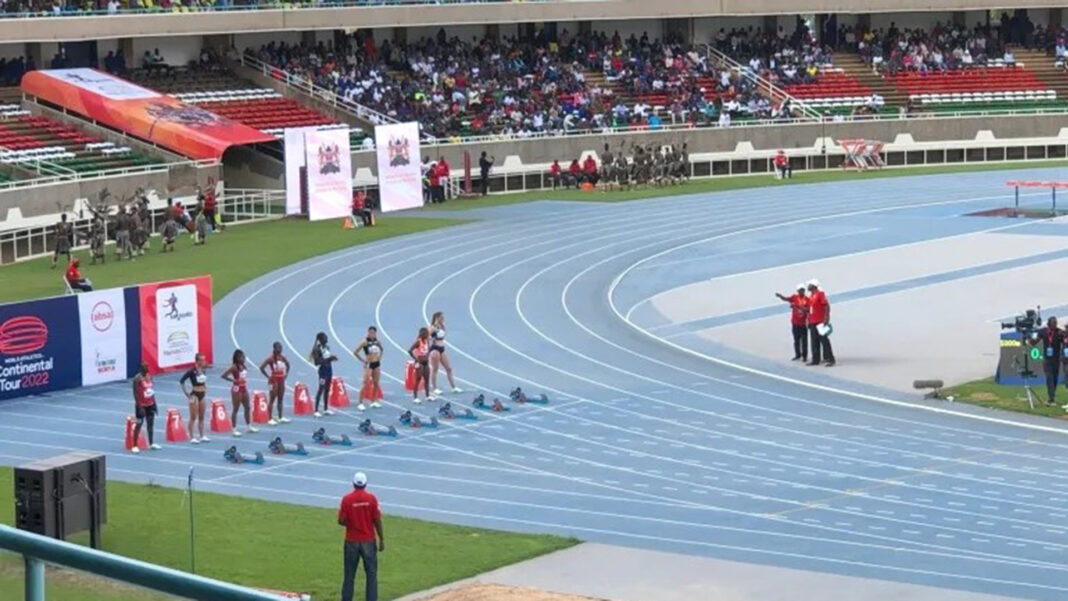
The 1,500m runner hit a personal best of 3:34.28 at the ORLEN Copernicus Cup in Toruń, Poland, on Feb. 22, 2026. He also won the Al Sharqiyah International Race mile on Dec. 13, 2025 — the race where his later-disqualified sample was collected. The inclusion of tampering in the case is why his ban is so long.
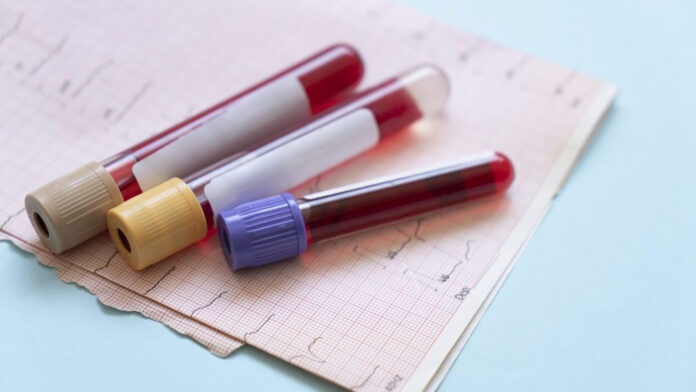
Siyoum’s urine sample was collected in Toruń on Feb. 21, 2026, and a blood sample was collected the following day. An accredited laboratory in Lausanne, Switzerland, detected EPO in his urine. However, the case went beyond this positive finding.
Siyoum told investigators that he had lost consciousness at home and been taken to a medical facility where he was diagnosed with anemia and given an EPO injection. He submitted medical documentation to support his account.
The AIU investigated the paperwork, including the identity of the health-care provider named in the documents. Investigators found that the provider’s name did not match the signature on the paperwork. Following two in-person interviews with Siyoum and inquiries with the health centre, the AIU determined that he had never attended the facility on the date stated in the documentation. The false documentation formed the basis of the additional tampering charge, resulting in the eight-year suspension.
The AIU also announced four-month bans for two Ethiopian athletes, Sofiya Shemsu Chegen and Gelaye Atinkut, for the presence of methylprednisolone, a corticosteroid. Both suspensions began Aug. 27, 2026, and both athletes have had results disqualified dating back to May 25, 2025.
Atinkut, 32, is a distance runner with a marathon personal best of 2:27:51. Chegen admitted fault, a factor that helped reduce her suspension from a potential four-year ban to four months. Methylprednisolone is used medically to treat inflammatory conditions. Its status under anti-doping rules depends on the circumstances of use.
Uzbekistan shot put athlete Doston Rajabov received a five-year ban beginning Sept. 17, 2026, for the presence or use of three prohibited substances: dehydrochlormethyltestosterone metabolite, drostanolone metabolite and octodrine. Rajabov’s results have been disqualified dating to Apr. 26, 2026. The substances identified in the decision include metabolites associated with anabolic steroids, as well as octodrine, a stimulant prohibited in sport.
The four cases together underscore the AIU’s continued scrutiny of both deliberate doping and tampering across disciplines and regions, with sanctions ranging from reduced suspensions for admitted fault to lengthy bans for sophisticated attempts to evade detection.