
Following the successful conclusion of its pilot phase, Uganda is officially advancing into full-scale implementation of its Economic and Commercial Diplomacy (ECD) Strategy. This strategic pivot was a central focus at the 1st Annual Economic and Commercial Diplomacy Performance Review Retreat 2026, held at the Lake Victoria Serena Golf Resort & Spa.
Co-convened by the Ministry of Foreign Affairs and the Ministry of Finance, Planning and Economic Development (MOFPED), the high-level retreat brought together key government officials, heads of missions abroad, ministries, departments, agencies (MDAs), and private-sector partners. The gathering aimed to transition Uganda’s diplomatic footprint from traditional political engagement to an aggressive, results-oriented economic engine.
Opening the discussions on behalf of the Permanent Secretary, Ambassador Richard Kabonero, Head of ECD and Regional Economic Cooperation, noted that approximately US$35 million was invested into the ECD programme. Impressively, preliminary performance data presented at the retreat projected returns at nearly four times that initial investment.
This financial growth is mirrored in macro-level indicators highlighting Uganda’s expanding global economic footprint. Official figures showcased during the review revealed a remarkable surge in export values, climbing from US7.8 billion in the 2023/24 financial year to US15.8 billion by the 2025/26 period. Foreign Direct Investment (FDI) similarly grew from US3.0 billion to US3.6 billion, while tourism arrivals and diaspora remittances reached historic highs—reaching 1.64 million visitors and US$2.55 billion respectively.
Despite these gains, government officials emphasized that shifting into full-scale implementation requires eliminating systemic inefficiencies. Mr. Moses Kabanda, Commissioner for Public Administration at MOFPED, pointed out that while missions have made substantial progress in pushing trade and tourism, challenges such as uneven performance across embassies, gaps in market intelligence, and delayed institutional responses still need correction.
Reinforcing this stance, Mr. Ashaba Hannighton, Director of Budget at MOFPED, stressed that future funding for economic diplomacy will be strictly tied to performance metrics and measurable deliverables. Diplomatic engagements, he noted, must directly translate into concrete outcomes: tangible exports, active productive investments, local job creation, and increased government revenue.
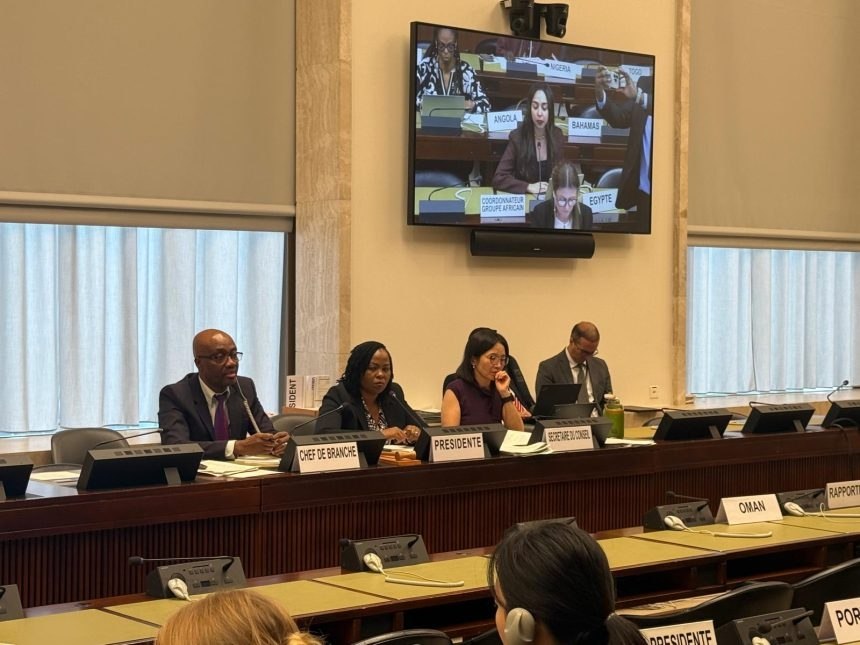
A core component of the retreat involved systematic opportunity tracking. Ambassador Arthur Kafeero, Deputy Head of Mission at Uganda’s Embassy in Geneva, presented an assessment of over 50 specific opportunities across more than 10 missions, spanning international trade, investment, and climate financing.
However, stakeholders candidly addressed persistent bottlenecks restricting full market conversion. These include compliance challenges with international standards and quality requirements, lingering Non-Tariff Barriers (NTBs), domestic infrastructure limitations, and inconsistent supply aggregation systems.
As the retreat maps out the annual ECD work plan for the upcoming financial year, the government is prioritizing stricter accountability, optimized institutional ownership, and robust public-private synergy. By treating foreign missions as frontline commercial hubs, Uganda is positioning its diplomatic machinery to successfully drive its long-term national economic transformation agenda.