Africa’s next major economic-integration gains will come not simply from lowering tariffs, but from connecting production, services, infrastructure and financial systems across borders, according to a new World Bank report launched in Addis Ababa.
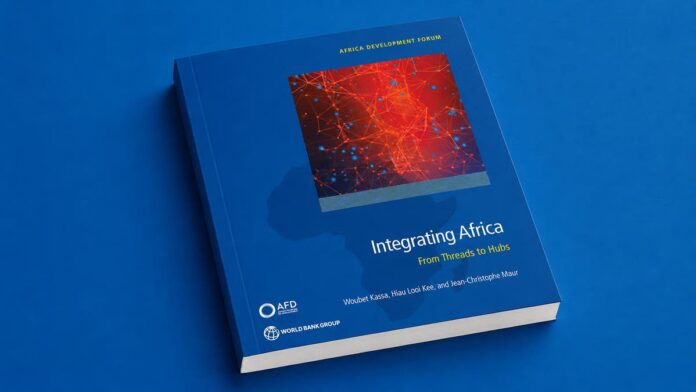
The report, Integrating Africa: From Threads to Hubs, calls for African governments to turn continental commitments, including the African Continental Free Trade Area (AfCFTA), into functioning regional markets and production hubs. It argues that firms must be able to source inputs, manufacture products, obtain finance and sell across borders under predictable and interoperable rules.
Launched at an event co-hosted by the African Union Commission, the United Nations Economic Commission for Africa and the World Bank Group, the report says Africa’s integration agenda should focus on practical reforms that reduce trade costs and make regional value chains commercially viable.
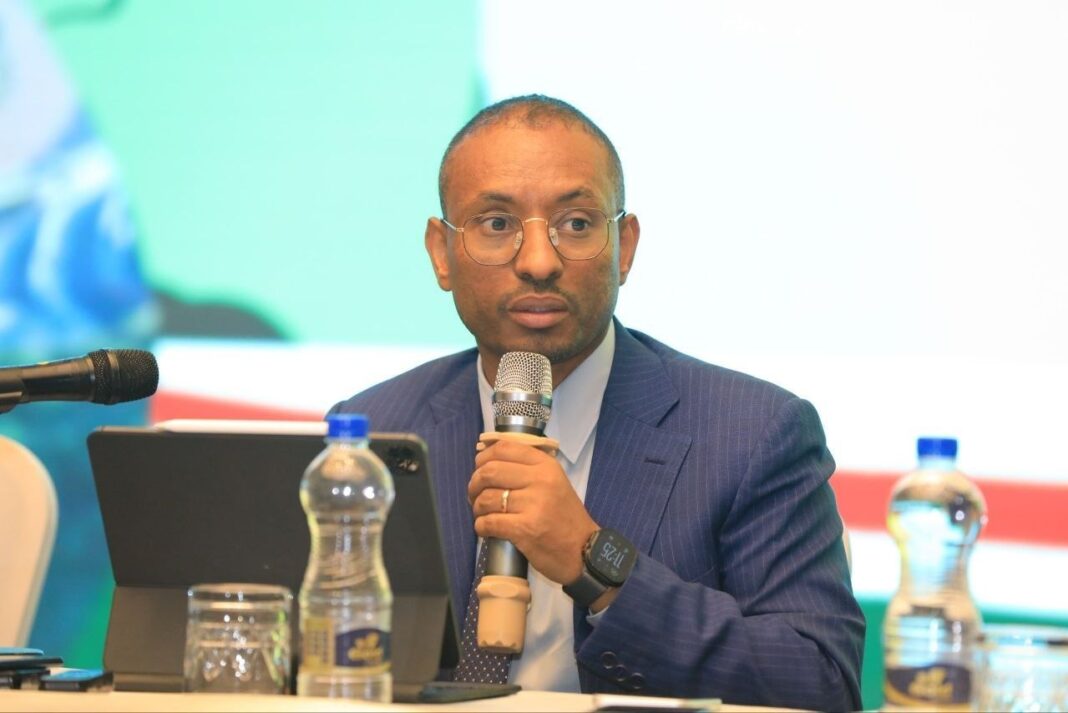
“Africa has a continental free trade agreement. The focus is now implementation,” said Ndiamé Diop, World Bank Vice President for Eastern and Southern Africa. “We are working with the AfCFTA Secretariat, other African institutions, governments, and the private sector to connect 54 economies into an integrated continental market of 1.5 billion people, with regional production hubs that can attract investment and create jobs at scale.”
The World Bank estimates that deeper liberalisation of transport, telecommunications, financial and professional services could increase trade in services within the AfCFTA area by about 60–64 percent by 2035. Such reforms would also support stronger intra-African trade, create better jobs and help countries develop more diversified regional value chains.
Intra-regional trade currently accounts for roughly one-fifth of Sub-Saharan Africa’s exports. The report notes that trade within Africa is generally more diversified and more manufacturing-intensive than exports to global markets, which remain heavily concentrated in raw commodities.
The report argues that regional integration is therefore not only a trade-policy objective but also a structural requirement for industrialisation. It says that individual national markets often lack the scale needed to support competitive manufacturing, while regional markets can widen the range of viable industrial activities and investment opportunities.
Domestic Barriers Remain the Main Challenge
According to the report, approximately 60 percent of Africa’s estimated trade costs are unilateral or “behind-the-border” barriers within countries’ control. These include customs delays, inefficient logistics, transport restrictions, fragmented standards, barriers to services and weak infrastructure.
The finding suggests that governments can secure significant integration gains through domestic reforms without waiting for additional regional negotiations. The World Bank recommends electronic single-window systems, risk-based inspections, more competitive freight markets, simplified rules of origin, stronger standards institutions and more open transport, financial and professional services.
The report places particular emphasis on interoperability—the ability of goods, data, payments, finance and regulatory systems to function smoothly across national borders. It argues that market liberalisation on its own will not be sufficient if firms continue to face incompatible customs procedures, payment systems, transport rules and technical standards.
The World Bank sets out four interconnected priorities: building regional value chains that link production across borders; reducing trade and regulatory frictions; deepening, implementing and enforcing regional trade agreements; and providing regional public goods, including transport corridors, power markets, digital networks and payment systems.
The report also calls for stronger enforcement of AfCFTA commitments, including more credible dispute-settlement arrangements, deeper services and investment provisions, and flexible coalitions of countries able to move faster where broad continental consensus is difficult to achieve.
African Union Commission Deputy Chairperson Selma Malika Haddadi said the agenda requires cooperation among continental institutions, governments, regional economic communities and businesses.
“No institution can deliver Africa’s integration agenda alone,” Haddadi said. “The African Union Commission, UNECA, the World Bank Group, Member States, regional economic communities, and the private sector must work together to translate continental frameworks into practical investments and reforms that make regional integration work for businesses and citizens.”
Rather than judging integration by the number of agreements signed, the report says progress should be measured through outcomes that affect firms and citizens directly. These include shorter border-crossing times, lower logistics costs, more reliable infrastructure, greater recognition of professional qualifications and standards, the resolution of non-tariff barriers, more private investment and wider participation in regional value chains.
The report comes as African economies face a changing global trading environment, including increased fragmentation, erosion of preferential market access and shifts in global value chains. It argues that stronger regional production networks could help African countries build resilience, reduce dependence on commodity exports and capture more value from manufacturing and services.