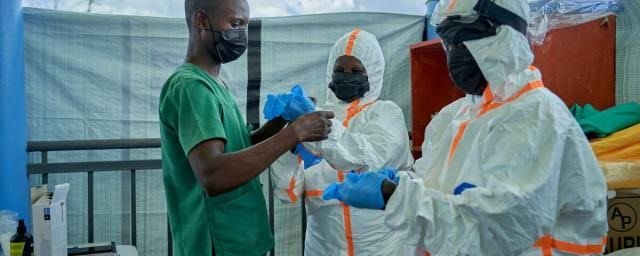
The Ugandan Ministry of Health officially declared the end of its recent Ebola disease outbreak on July 28, 2026. The announcement came exactly 12 days after the country successfully discharged its final Ebola patient from the Mulago National Referral Isolation Centre, marking a triumphant conclusion to a tense period of containment, clinical treatment, and cross-border vigilance.
The containment of the virus in Uganda stands in sharp contrast to the ongoing, severe epidemiological challenges faced by its neighbors, serving as a masterclass in swift medical response, robust surveillance, and effective healthcare infrastructure.
The final chapter of Uganda’s outbreak wind-down began on July 16, 2026, when medical personnel at the Mulago National Referral Isolation Centre cleared the last remaining patient for discharge. Following strict international health protocols, health authorities initiated a mandatory countdown period to monitor for any potential resurgences or secondary chains of transmission.
With no new cases recorded since June 21, 2026, and the observation window closing safely without incident, the Ministry of Health made the formal declaration on July 28. Public health officials lauded the resilience of the nation’s frontline healthcare workers, whose tireless efforts prevented a localized flare-up from escalating into a nationwide crisis.
Throughout the course of the localized outbreak, Uganda’s Ministry of Health recorded a total of 20 confirmed cases, including two tragic deaths. By maintaining strict isolation protocols, transparent public communication, and aggressive contact tracing, authorities managed to sever transmission routes and secure the nation’s borders against further seeding from regional hotspots.
While Uganda celebrates its successful containment, the broader East and Central African region continues to battle a persistent and devastating epidemic. According to data released by the European Centre for Disease Prevention and Control (ECDC), the Democratic Republic of the Congo (DRC) remains the epicenter of an immense public health crisis.
As of late August 2026, the DRC reported a staggering cumulative total of 5,656 confirmed cases and 2,715 related deaths, with tens of thousands of individuals impacted across dozens of health zones. Provinces such as Ituri and North Kivu have borne the heaviest burden, grappling with thousands of cases and deep infrastructural strains.
The spillover threat of the DRC outbreak has also touched distant international shores. Earlier in the year, health authorities in France and Germany reported imported cases involving individuals—including a US citizen working for a humanitarian organization—who contracted the virus in the DRC and were medically evacuated to Europe for advanced treatment. These international detections underscored the global nature of modern infectious disease threats and the vital importance of international surveillance networks.
Despite the intensity of the outbreak raging just across its borders, international health bodies have reassured the global community regarding risk levels outside the immediate zone of transmission. The ECDC has maintained that the likelihood of infection for people living within the European Union and the European Economic Area (EU/EEA) remains “very low.”
Nevertheless, health organizations emphasize that complacency is the greatest enemy in the fight against viral hemorrhagic fevers. Surveillance and epidemiology gaps still plague certain rural sectors in Central Africa, making continuous monitoring an absolute necessity. Organizations like the ECDC continue to track real-time developments, harmonizing data from the DRC and partnering nations to update risk assessments as conditions evolve.
Uganda’s ability to swiftly identify, isolate, and treat Ebola patients offers critical lessons for global health security. By leveraging past experiences with viral outbreaks, Ugandan health authorities demonstrated that early intervention, community engagement, and centralized care facilities can drastically cut mortality rates and shorten the lifespan of an epidemic.