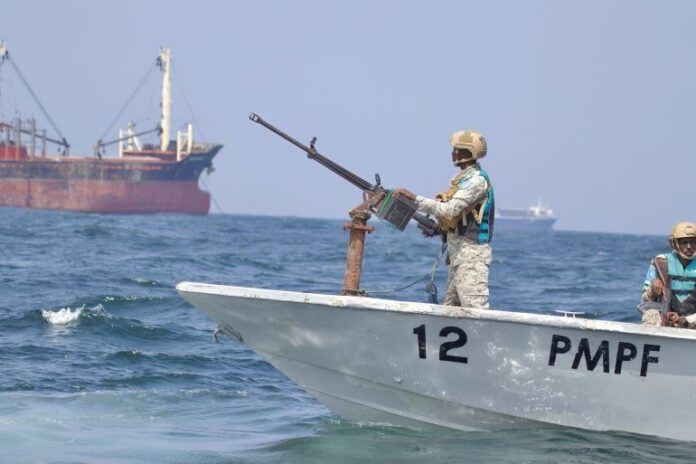
In an alarming signal of a compounding security crisis across the Western Indian Ocean and the Gulf of Aden, armed Somali pirates have hijacked an oil products tanker in international waters off the Yemeni coast, forcefully redirecting the vessel toward northern Somalia. The vessel, identified as the Eritrean-flagged M.T. Sibu 1, was intercepted on Thursday approximately 136 nautical miles (252 kilometers) east of the Yemeni port city of al-Mukalla.
The assault marks the sixth commercial vessel hijacked since late April, confirming warnings from naval coalitions, shipowners, and regional maritime authorities that Somali pirate networks are executing an aggressive, highly organized operational resurgence after years of relative dormancy.
According to regional maritime security officials and broadcast logs from the United Kingdom Maritime Trade Operations (UKMTO), six heavily armed pirates boarded the Sibu 1 from high-speed skiffs. Moments after the vessel’s perimeter was breached, its Automatic Identification System (AIS) broadcast a brief distress warning stating “PIRATE ONBOARD HELP” before the onboard transponder was forcibly disabled or reconfigured. The hijackers subsequently took command of the helm, setting a course toward anchorage points along Somalia’s semi-autonomous Puntland coastline.
At the time of the boarding, the Sibu 1 was manned by a multinational crew of 20 seafarers. The hostaged crew includes 16 Indian nationals, one Syrian, one Sudanese, and one Iraqi, while the nationality of the remaining crew member has not been confirmed. Although maritime tracking logs indicated the vessel’s intended destination was Port Sudan, its last port of call and specific petroleum cargo details remain undisclosed.
The captured tanker carries complex regulatory and geopolitical ties. Managed by the United Arab Emirates-based firm Qatrat Alnada Almasi Ship Management, the Sibu 1 (formerly operating under the name Seamull) was sanctioned last year by the U.S. Department of the Treasury’s Office of Foreign Assets Control (OFAC).
Federal regulators designated the vessel as an active unit within Iran’s illicit “shadow fleet.” According to Treasury findings, the tanker routinely engaged in clandestine ship-to-ship crude transfers, transported sanctioned Iranian petroleum products—including naphtha and gasoil—and made unscheduled calls at Houthi-controlled ports along the Red Sea.
The seizure of the Sibu 1 occurred just three days after pirates captured the Cameroon-flagged cargo ship Lutuf off the coast of Mareeyo, Somalia, taking its 10-member crew hostage.
Data from the International Maritime Bureau (IMB) indicates a sharp rise in regional piracy metrics, as attacks are taking place much farther from the Somali mainland. Recent captures include the Eureka, hijacked while anchored in Yemeni waters, and the Asana, seized 65 nautical miles off al-Mukalla.
Six commercial vessels have now fallen to pirate syndicates since April: the Honor 25 on April 21, the Sward on April 26, the Eureka on May 2, the Asana on July 17, the Lutuf on August 17, and most recently, the Sibu 1. While the IMB recorded 38 global piracy incidents in the first half of 2026, Somali networks accounted for 94% of all seafarers taken hostage worldwide during that timeframe.
Puntland’s Ministry of Security announced increased troop deployments along its eastern seaboard to counter pirate safe havens. However, local authorities also raised concerns regarding unidentified airstrikes near coastal towns such as Garacad, where hijacked vessels are anchored. Puntland officials condemned the strikes, citing civilian safety concerns while claiming external actors are fueling the renewed piracy threat.