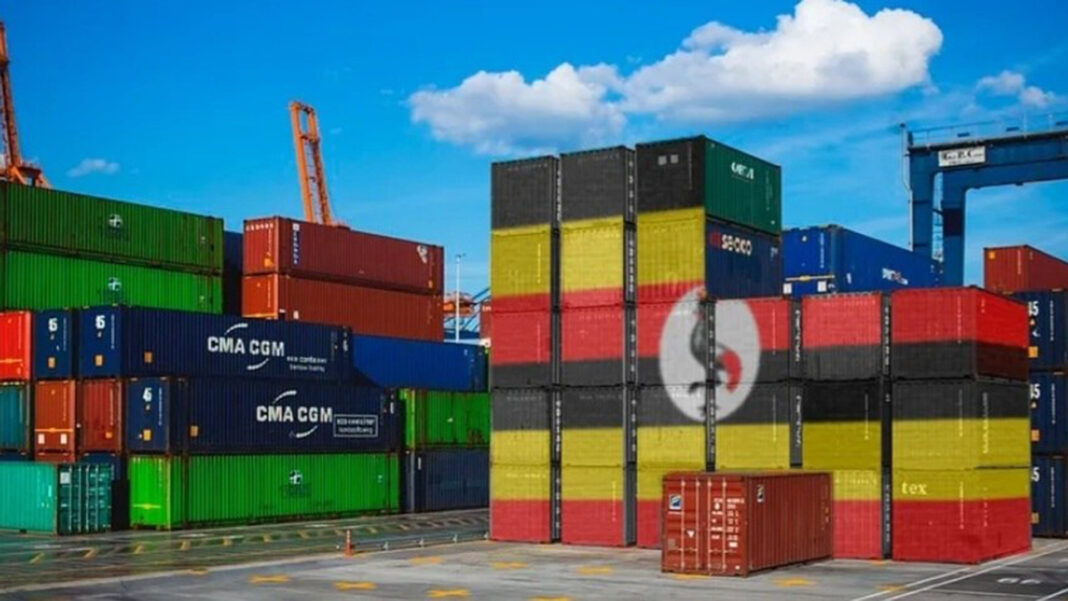
Djibouti’s ports are recording a modest increase in traffic as shipping companies adjust their routes amid security concerns in the Red Sea. However, rising fuel prices, equipment maintenance expenses and cargo-handling costs are putting pressure on port operations and raising concerns about the sector’s competitiveness and the potential impact on consumer prices.
Aboubaker Omar Hadi, chairman of the Djibouti Ports and Free Zones Authority (APZFD), outlined the challenges during a press conference at the Red Sea World exhibition centre, held alongside the seventh Economic Mission of La Francophonie.
Located near the Bab el-Mandeb Strait and the Gulf of Aden, Djibouti occupies a strategic position connecting international shipping routes with markets across East Africa and beyond.
Ongoing security concerns in the Red Sea have prompted major shipping companies to reconsider their routes. Some carriers are unloading containers destined for East Africa and Red Sea countries in Djibouti before rerouting larger vessels around Africa towards the Atlantic Ocean and Europe. Smaller feeder ships subsequently transport the cargo to its final destinations.
“Because of the issues in the Red Sea, major shipping lines are discharging their containers in Djibouti for Red Sea countries and East Africa,” Hadi said.
He expressed hope that the disruptions would not continue for long, adding that the country was managing the changing circumstances.
The adjustments have contributed to a slight increase in overall port traffic, largely driven by transshipment operations, according to Hadi.
However, the sustainability of this growth remains uncertain, as future traffic volumes will depend partly on regional security conditions and shipping companies’ decisions.
Despite increased cargo volumes, port operators face growing financial pressures from higher fuel prices, equipment maintenance expenses and cargo-handling costs.
Hadi also cited tensions involving the Strait of Hormuz as a factor contributing to global energy-cost pressures. Rising fuel expenses affect port machinery, container handling and other essential operations.
He acknowledged that these rising costs were also putting pressure on the domestic market.
Higher logistics expenses can increase the cost of importing and distributing goods, potentially pushing retail prices upward. Businesses dependent on imported raw materials, machinery and other supplies may also face increased operating costs.
The press conference also highlighted Djibouti’s efforts to attract investment through the Economic Mission of La Francophonie.
Hadi emphasized the country’s French-speaking identity as an advantage in strengthening international partnerships, attracting investors and expanding trade with Francophone markets.
Djibouti’s strategic location and port infrastructure remain important economic assets. Nevertheless, sustaining competitiveness will require efficient operations, effective cost management and reliable services.
The country’s maritime prospects will ultimately depend on its ability to convert increased port traffic into sustainable economic benefits while managing rising expenses and uncertainty across major regional shipping routes.