U.N. Warns Food Aid for 650,000 Refugees in South Sudan Could Stop by September Due to Severe Funding Shortfalls. GENEVA — More than 650,000 refugees and asylum seekers in South Sudan face the imminent loss of food aid within weeks, the United Nations warned on Friday. A severe funding shortfall threatens to completely sever vital humanitarian assistance, raising fears that desperate families may return to war-torn Sudan to find help.
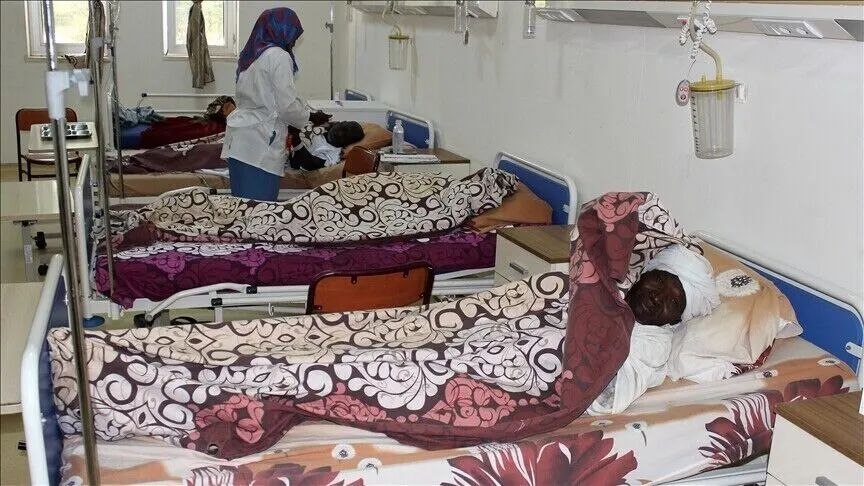
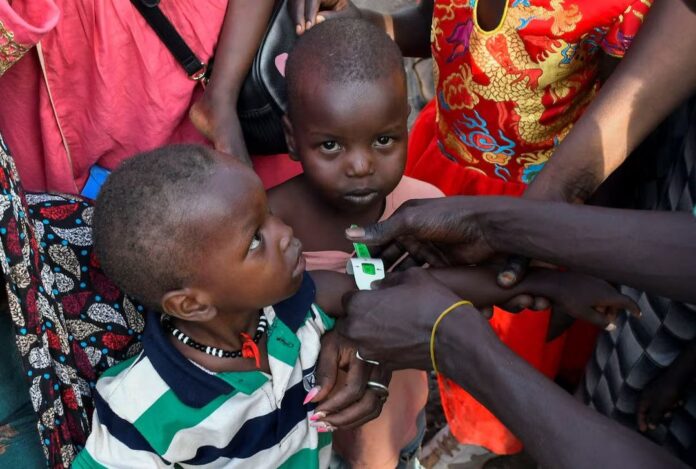
South Sudan is currently enduring one of the most catastrophic hunger crises on record. The World Food Programme (WFP) and the U.N. refugee agency (UNHCR) report that over 7.8 million people—representing more than half of the nation’s total population—suffer from acute food insecurity, alongside 2.2 million children who are acutely malnourished.
Compounding this disaster, South Sudan continues to welcome approximately 3,000 refugees and returnees weekly from neighboring Sudan. The brutal conflict that ignited in Sudan in 2023 has generated one of the largest displacement crises globally, characterized by widespread atrocities such as mass killings, sexual violence, and deliberate starvation.
Imminent Halt to Food Distributions. U.N. agencies stated that final food distributions for the 240,000 most vulnerable refugees will occur in September unless emergency funds arrive. These groups represent the last remaining families receiving food support, which has already been slashed to half-rations due to prior budget constraints.
“This is not a future scenario. It is sadly a reality that will hold within weeks,” said Adham Effendi, WFP’s deputy country director in South Sudan, speaking from Juba.
UNHCR Deputy Representative Mesfin Degefu warned that if funding fails to materialize, zero refugees in South Sudan will receive food aid by October. Desperate Families Resort to Extreme Measures. As resources evaporate, refugees are turning to severe coping strategies. Degefu noted that households are cutting daily meals, selling personal belongings, dropping children out of school, and plunging into debt. Women and children are additionally facing elevated risks of exploitation and abuse.
Tragically, some refugees have asked the agency to help facilitate their return to Sudan, despite UNHCR warnings that conditions there remain entirely unsafe.
The deepening financial crisis requires an immediate $37 million injection for the WFP to sustain refugee operations between October and December. Without these funds, the fallout will widen significantly: Internally Displaced Persons: Food support for 180,000 IDPs will halt completely in October. Famine-Risk Zones: By November, nearly 600,000 individuals living in areas threatened by famine will lose life-saving assistance.
Meanwhile, the UNHCR has secured a mere 28% of the $286 million required for its annual operations. This critical deficit also threatens programs designed to foster long-term self-reliance through farming, vocational training, and livelihood initiatives.