The Somali Cabinet has officially approved a draft Rules of Origin Law. Endorsed during the weekly Cabinet meeting on Tuesday, the newly proposed legislation marks a vital milestone in Somalia’s ongoing economic reforms, following closely on the heels of the country’s historic accession to the African Continental Free Trade Area (AfCFTA) and its formal membership in the East African Community (EAC).
The primary objective of the newly endorsed legislation is to establish a robust and formal legal framework for issuing official Certificates of Origin. Trade and Industry Minister Jamaal Mohamed Hassan emphasized the transformative impact this will have on local enterprises, noting that it directly paves the way for Somali exporters to qualify for preferential tariff treatments.
“The law will enable Somali traders and manufacturers to obtain Certificates of Origin, allowing them to benefit from tax exemptions and preferential market access provided under trade agreements to which Somalia is a party, particularly the East African Community and the African Continental Free Trade Area,” stated Minister Hassan.
Under the provisions of the proposed law, goods manufactured or significantly processed within Somalia will receive official certification verifying their national origin. This authentication is crucial, as it streamlines the export process and allows local businesses to compete on a fairer, more profitable footing across regional and continental marketplaces.
Beyond facilitating cross-border trade, the legislative framework is deeply intertwined with a broader domestic strategy to protect and elevate local industries. Minister Hassan revealed that the government is actively reviewing existing tax policies to grant preferential treatment to locally manufactured goods.
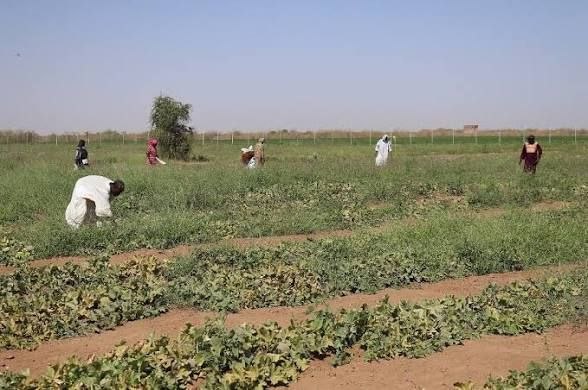
By combining the new Rules of Origin framework with supportive tax structures, the government aims to stimulate domestic industries by encouraging local manufacturing and agricultural production to reduce the nation’s heavy reliance on imported commodities.
The framework also seeks to attract investment by creating a predictable, legally sound environment that appeals to both domestic and foreign investors, while simultaneously generating employment across various sectors by expanding Somalia’s industrial base and export capacity. Furthermore , these measures are designed to diversify the economy, moving away from trade dependencies and building a resilient, multi-faceted economic engine capable of sustaining long-term growth.
The introduction of the draft Rules of Origin Law highlights Somalia’s accelerated momentum toward comprehensive economic reform. Since ratifying the AfCFTA agreement and joining the EAC, the Somali Ministry of Trade and Industry has underscored its commitment to transforming the nation’s commercial landscape.