The Ethiopia Ministry of Foreign Affairs has officially reaffirmed that a stronger, deeply integrated cooperation between African nations and the Gulf region is fundamentally essential for driving inclusive economic growth, building resilience, and achieving shared prosperity.
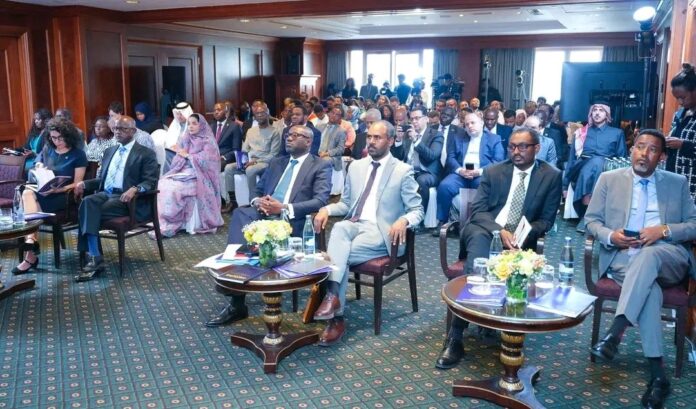
This strategic imperative was highlighted during a high-level dialogue held in Addis Ababa under the auspices of the Gulf-Africa Strategic Partnership Initiative (GASP), where State Minister of Foreign Affairs Ambassador Hadera Abera noted that the partnership has successfully evolved into a robust mechanism capable of steering sustainable development across both regions by turning high-level investment commitments into concrete, actionable projects.
This burgeoning relationship is being driven primarily by the historic momentum of the African Continental Free Trade Area (AfCFTA)—which has established the world’s largest free trade area by membership—alongside far-reaching economic diversification strategies being aggressively implemented by Gulf countries.
Ambassador Hadera emphasized that Africa is no longer viewed simply as a passive investment destination, but rather as an equal and vital strategic partner capable of reshaping global commerce. Consequently, bilateral and multilateral cooperation has rapidly expanded beyond traditional trade parameters into high-impact sectors such as infrastructure, logistics, renewable energy, manufacturing, agriculture, finance, technology, and food security.
Achieving tangible and measurable results from this partnership, however, will require strong institutional frameworks, improved project preparation pipelines, innovative financing instruments, and disciplined execution. Reaffirming Ethiopia’s unwavering commitment to regional integration and economic diplomacy, Ambassador Hadera underscored that the ultimate success of the initiative rests upon practical implementation and real-world outcomes.
Echoing this perspective, Shimelis Hailu, Director General for Europe and American Affairs at the Institute of Foreign Affairs, pointed out that Ethiopia’s homegrown economic reforms are strategically designed to expand investment, deepen integration, and position the country as a competitive gateway to wider continental markets, stressing that future ties must be measured by the quality of projects, job creation, and knowledge transfer rather than mere financial volume.
Further reinforcing the economic rationale, Anousmane Camara, Founder and Chief Executive Officer of Gravitas Sovereign and Strategic Advisory, pointed to Africa’s rapidly growing population—projected to reach 2.5 billion by 2050—and its abundant strategic mineral resources as a compelling foundation for deeper collaboration. He explained that the GASP framework is intentionally designed to institutionalize dialogue, align investment priorities, and foster long-term diplomatic trust capable of unlocking large-scale private sector capital for Africa’s structural transformation. Furthermore, ODI Global Advisory Director Sasha Kapadia highlighted that enhanced Gulf-Africa cooperation should serve as a powerful complement to existing international partnerships rather than a replacement, emphasizing the necessity of dismantling administrative bottlenecks and deploying effective risk-sharing mechanisms.
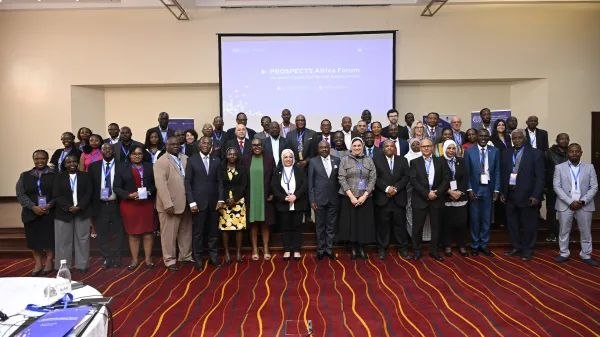
Ultimately, the high-level dialogue in Addis Ababa—jointly organized by Ethiopia’s Institute of Foreign Affairs, Gravitas Sovereign and Strategic Advisory, and ODI Global Advisory—serves as a critical foundational milestone.
Bringing together an elite assembly of policymakers, diplomats, investors, researchers, and development practitioners, the consultation process will extend across key regional hubs including Rabat, Johannesburg, and Accra. These collaborative sessions are purposefully designed to shape a comprehensive strategic agenda for the inaugural GASP Summit in Abidjan, charting a definitive course for enduring economic cooperation between Africa and the Gulf.