Germany has committed a new funding package of €12.1 million to support four key African Union programs. Announced in Addis Ababa, the financial injection is specifically designed to accelerate the implementation of the African Continental Free Trade Area (AfCFTA) by tackling one of the most persistent bottlenecks in African development: the infrastructure project preparation gap.
Nearly half of the total package—€5.6 million—has been earmarked for the Integrated Corridors for Economic Growth in Africa (Africa InCORE) program. Managed collaboratively by the African Union Commission and the African Union Development Agency (AUDA-NEPAD), Africa InCORE plays a critical role in advancing cross-border transport, energy, ICT, and industrial infrastructure projects under the Programme for Infrastructure Development in Africa (PIDA).
While investor interest in African infrastructure sectors such as transport, energy, and logistics remains high, capital often fails to materialize due to a lack of adequately prepared projects. According to the African Development Bank, inadequate project preparation is a primary obstacle to mobilizing private-sector financing.
The Africa InCORE program directly addresses this constraint by moving regional infrastructure initiatives from conceptual sketches to “bankable,” investment-ready status. The program delivers comprehensive technical studies, investment screening, specialized transaction advisory services, and proactive private-sector engagement.
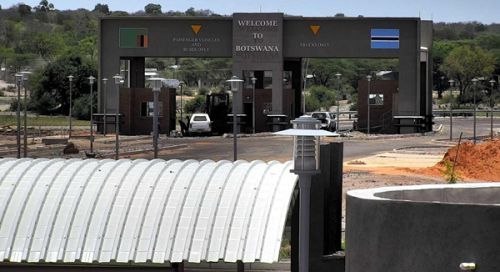
Current operational efforts are heavily focused on two strategic trade routes vital to the success of AfCFTA: The Central Corridor in East Africa and The North-South Corridorin Southern Africa.
By smoothing out logistical friction along these corridors, the initiative aims to drastically improve regional connectivity, lower soaring trade costs, and foster seamless cross-border commerce. Beyond transportation and logistics, Germany’s comprehensive funding package extends vital support to broader economic and institutional pillars across the continent.
Domestic Revenue Mobilization: Germany allocated €3 million to reinforce tax administration and debt management through the African Tax Administration Forum (ATAF). This support aims to bolster self-reliance by enhancing domestic resource generation.
Fegional Energy Integration: An investment of €1.5 million was directed toward the ENGAGE programme, which champions renewable energy integration and the harmonization of regional electricity markets. Public Health Security: To reinforce the continent’s health resilience, €2 million has been channeled to the Africa Centres for Disease Control and Prevention (Africa CDC) to bolster institutional capacity and strengthen responses to ongoing health crises, including Ebola outbreaks.
The newly announced funding underscores a strategic shift among international partners toward funding project preparation rather than construction alone. By ensuring that regional initiatives are thoroughly vetted, financially structured, and attractive to commercial lenders, African institutions are laying a sturdier foundation for long-term economic growth.