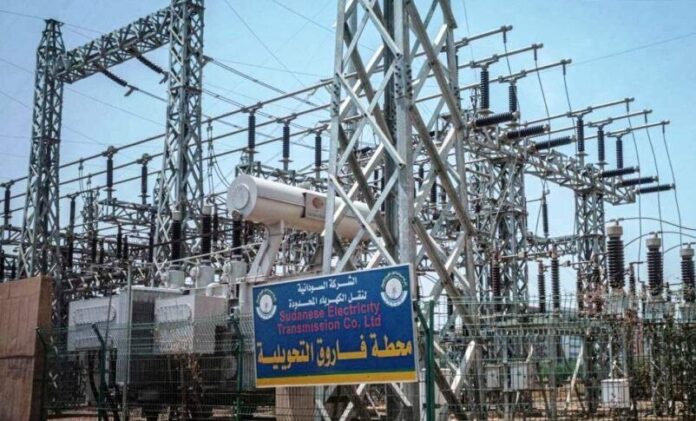
Sudan is grappling with a severe and debilitating national energy crisis, with rolling blackouts frequently exceeding 18 hours per day in Khartoum and several other states. The Ministry of Energy and Oil released a comprehensive statement on Tuesday addressing the compounding factors behind the widespread power failures, highlighting the cutoff of electricity imports from neighboring Ethiopia as a primary contributor.
The energy shortage has dramatically worsened daily living conditions for residents enduring punishing summer temperatures. According to the ministry, the crisis is the result of a “perfect storm” combining technical failures, supply chain bottlenecks, rising seasonal demand, and extensive physical destruction of critical infrastructure.
The ministry detailed multiple operational and logistical pressures suffocating the national grid. Surging electricity demand has heavily strained existing generation capacity, driven by high summer temperatures, the return of displaced residents to major urban zones, and rising consumption across vital agricultural and industrial sectors.
Simultaneously, several major power-generation plants were forced offline to undergo critical, overdue maintenance and technical repairs, sharply reducing total energy output. Compounding these operational hurdles are severe supply chain constraints. The ministry pointed to critical shortages of operational inputs and spare parts, most notably the fuel required to run thermal power plants. Furthermore, these domestic shortcomings were heavily amplified by the complete halt of electricity supplies delivered via the cross-border grid connection with Ethiopia.
Beyond operational and logistical hurdles, Sudan’s power infrastructure has suffered catastrophic human-induced damage. The ministry’s statement emphasized that extensive destruction has been inflicted upon generation units, transformer stations, and transmission lines due to vandalism, theft, and systematic attacks amid the country’s ongoing conflict.
This sustained assault on critical infrastructure has severely impaired grid stability, drastically limiting the country’s operational capacity and creating a fragmented distribution network unable to meet basic national needs.
Despite operating under severe security and logistical constraints, the ministry underscored that a comprehensive rehabilitation program is actively underway to restore the power sector and enhance supply reliability. Engineering crews are working around the clock under complex and hazardous conditions to bring remaining offline units back into service.
Significant milestones have already been achieved in the recovery process: over 260 megawatts (MW) have been successfully restored to the national grid following targeted maintenance, with available capacity projected to exceed 600 MW once current rehabilitation projects are fully completed.
Authorities have also successfully rehabilitated and restarted more than 20 substations that suffered extensive damage across multiple states, including Khartoum state.Technical teams have repaired and re-commissioned over 1,700 kilometers (approximately 1,050 miles) of damaged transmission lines. Work is also pressing forward to repair distribution stations and thousands of local transformers to progressively stabilize service levels across affected regions.
Until full generation capacity can be safely restored, the ministry noted that load shedding is being actively managed in accordance with strict technical standards. These measures are designed to ensure an equitable distribution of available power across regions, protect the fragile stability of the national grid, and prevent a catastrophic total system collapse.
While engineering crews continue their relentless efforts to optimize network efficiency and minimize daily outage hours, the roadmap to complete recovery remains heavily tied to security stabilization and the steady flow of necessary technical inputs.