Sudan’s Ministry of Animal Resources and Fisheries has unveiled a bold strategy to shift from live animal exports to high-value processed meat products. Announced on May 13, 2026, this plan aims to penetrate elite markets in Japan, the Gulf nations, and Europe by the end of the year.
Hussein Mohamed al-Bashir, Director of the Quarantine and Meat Health Department, stated that the ministry’s primary task is to rehabilitate export facilities to meet international health standards. A central pillar of this strategy is an agreement with Turkey to establish a modern factory.
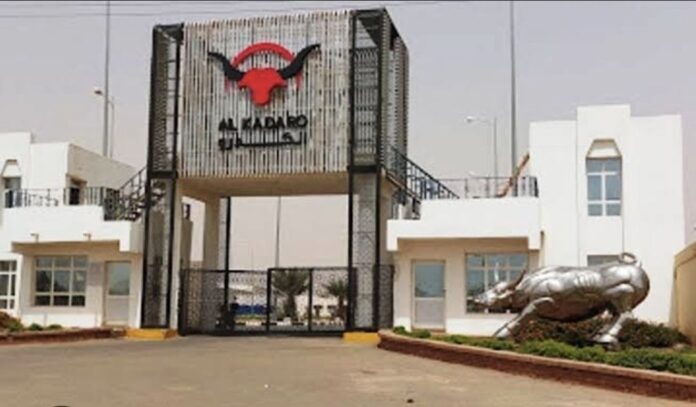
This facility is expected to produce approximately 180 varieties of frozen and fresh meat types by the end of 2026. During a visit to the Al-Kadaro slaughterhouses, al-Bashir remarked, “We are moving away from the traditional live animal export style. By focusing on slaughtered meat, we can increase the added value derived from our livestock resources and ensure the economic benefits remain within Sudan.”
This strategy comes at a critical juncture. The livestock sector, which accounts for 20% of the national GDP and employs nearly 40% of the population, has been severely impacted by conflict. In 2025 alone, the sector suffered an estimated loss of $1 billion due to infrastructure destruction and logistical disruptions.
Despite these hurdles, there are signs of rapid recovery: the Al-Kadaro facility now has the capacity to slaughter 100,000 sheep and goats, and up to 5,000 cattle and camels. Furthermore, Saudi Arabia recently lifted its ban on Sudanese red meat, and the Al-Kadaro Food Processing Company successfully exported 5,000 sheep to the Kingdom this month. The ministry also confirmed successful exports of meat by-products to China and Kuwait, serving as a model for broader expansion into Japan and Europe.
The Sudanese government is utilizing its livestock wealth—estimated at between 111 million and 140 million head—as the country’s “economic shield.” Al-Khawad Fath al-Rahman, a representative of Economic Security, noted that government reconstruction support is focused on animal quarantine and health services.
These services are vital for overcoming the structural challenges of 2026 and generating foreign currency. With global meat prices rising significantly, Sudan’s move is strategically timely. By leveraging Turkish technology and its vast natural resources, Khartoum hopes to transition from being a raw material supplier to becoming a modern global food hub.