KIGALI, Rwanda
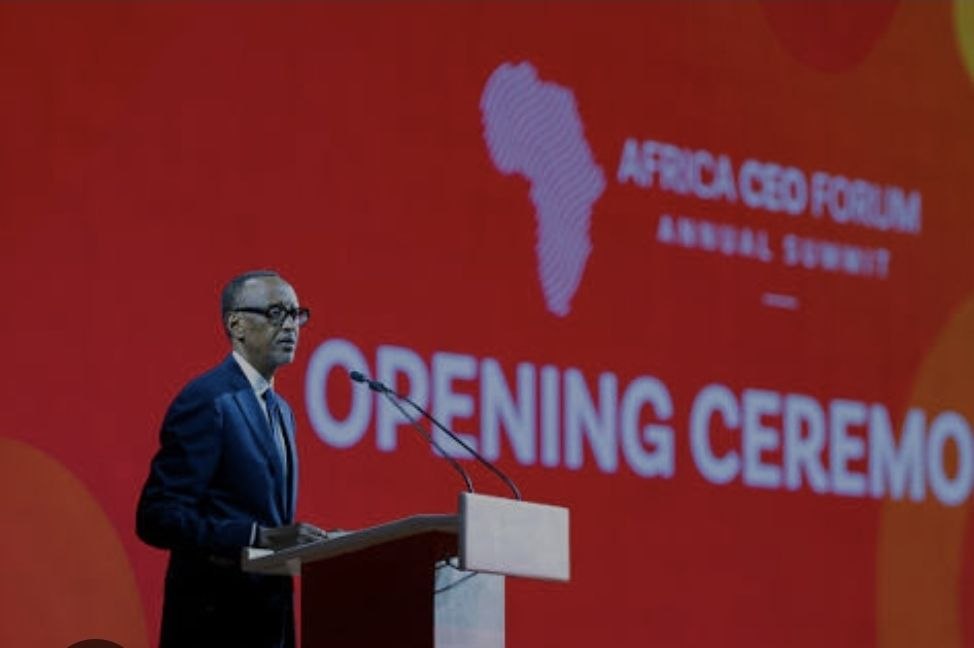
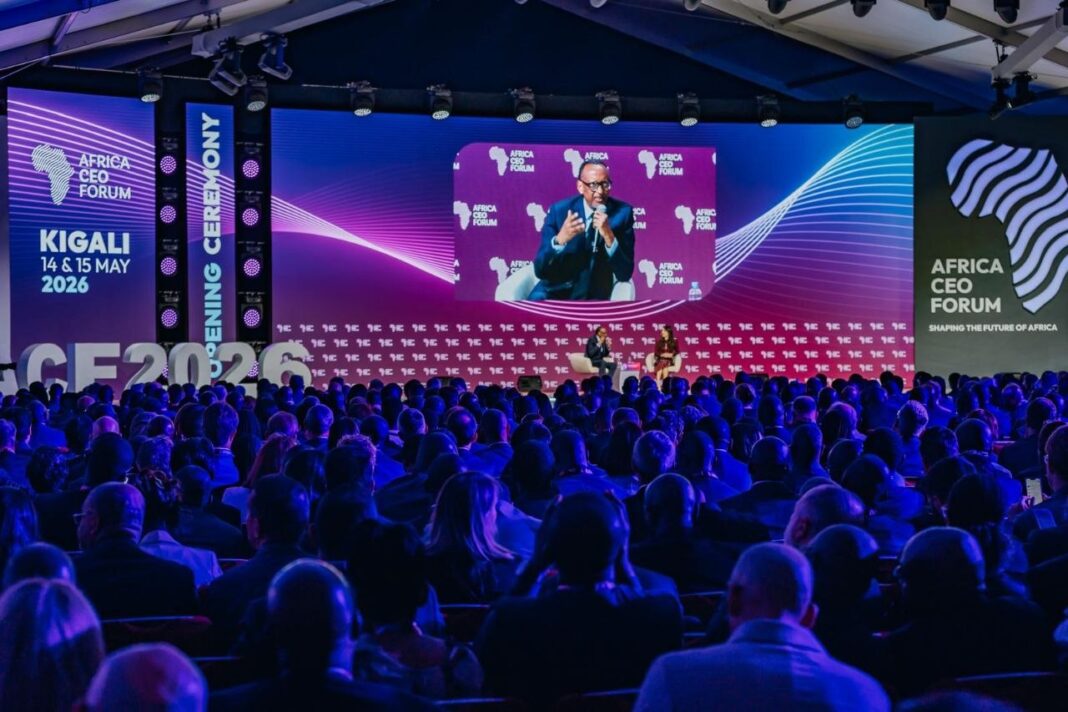
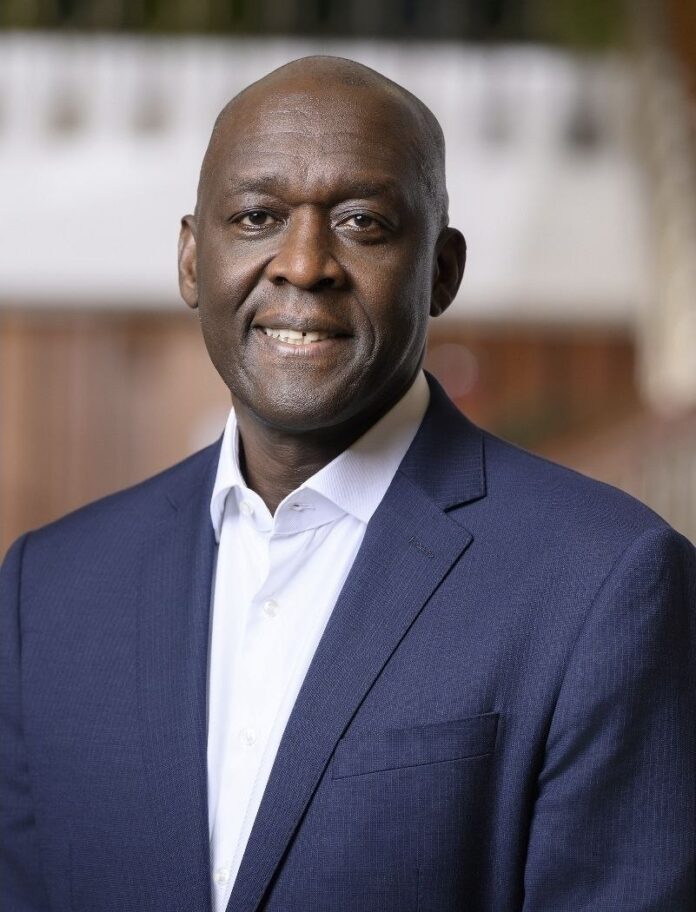
IFC Managing Director Makhtar Diop on Thursday called for faster execution of Africa’s private-sector-led growth agenda, telling political and business leaders gathered in Kigali that the continent must convert its demographic strength, capital and markets into jobs at scale. His remarks came at the opening of the Africa CEO Forum 2026, which has brought together more than 2,000 CEOs, investors and public officials in the Rwandan capital.
Addressing an audience that included President Paul Kagame, Nigeria’s President Bola Ahmed Tinubu and several other African heads of state and government leaders, Diop framed Kigali as a symbol of delivery and long-term state ambition. He said Africa now faces a pivotal moment in a disrupted global environment marked by conflict, capital volatility, debt strain and rising food prices, arguing that countries that build strong macroeconomic foundations will be best placed to absorb external shocks.
Diop said the central development challenge is no longer whether Africa has potential, but whether it can organize talent, capital and markets into engines of employment. He argued that emerging markets have become the engine of the global economy and pointed to Africa’s young population as a strategic advantage, stressing that private enterprise remains the dominant source of jobs in developing economies.
He anchored his message around five sectors that he said are essential to structural transformation and labor absorption: energy and infrastructure, agriculture, transport corridors and connectivity, healthcare and skills, and value-added manufacturing linked to critical minerals and what he described as “Small AI.” In energy, he cited Mission 300 — the goal of bringing electricity to 300 million Africans by 2030 — as a platform for mobilizing private capital into grids, mini-grids and off-grid systems.
On agriculture, Diop said Africa must move beyond subsistence production and build integrated value chains spanning inputs, processing, logistics and market access. He argued that such a shift would strengthen rural incomes, create jobs across supply chains and support downstream industrialization as global food demand rises.
He also made a broader industrial argument, saying Africa must stop exporting raw materials and importing finished products at higher cost. Referring to strategic minerals such as cobalt, lithium, manganese and graphite, Diop said the continent should secure more local value from the global energy transition by expanding domestic processing and manufacturing capacity.
In a forward-looking theme, Diop linked mineral wealth to artificial intelligence, calling for practical, locally adapted AI applications in agriculture, health and language technologies. He said Africa should not remain merely a supplier of raw inputs for global AI systems, but should instead build context-specific tools that respond to local needs and support development gains.
A large section of his remarks focused on small and medium-sized enterprises, which he described as the backbone of African economies and a primary source of employment. He said the African Continental Free Trade Area provides an important legal framework, but warned that agreements alone will not create jobs unless firms can trade, finance, insure and export efficiently across borders.
Diop called for the removal of barriers to cross-border investment, including capital transfer restrictions, double taxation, regulatory fragmentation and stock exchange incompatibility. He also urged greater use of African pension and sovereign wealth capital to finance African firms, arguing that deeper regional ownership structures are necessary to build competitive continental champions.
He identified four structural constraints facing African SMEs: weak equity financing, governance gaps, disproportionate regulatory burdens and poor intergenerational business succession. Diop said the disappearance of family businesses after the second or third generation represents a wider loss of jobs, institutional memory and productive capital, and urged business schools and researchers to treat succession as a serious field of study.
The IFC chief also signalled a shift in his institution’s operating model. He said IFC is moving more decisively toward an “originate and distribute” approach in which it structures and de-risks transactions before connecting them to local and international institutional investors, rather than relying on its own balance sheet alone.
That shift, he said, is intended to help channel larger volumes of capital into bankable African opportunities and support the growth of what IFC calls local champions. According to the forum’s Kigali briefing, IFC committed $14.2 billion across Africa last year and mobilized an additional $6.2 billion from co-investors.
He closed with a call for concrete commitments rather than declarations, urging investors and policymakers to move from memoranda to disbursements before year-end. Africa, he said, does not lack talent, capital or ambition; what has too often been missing is execution at scale.