
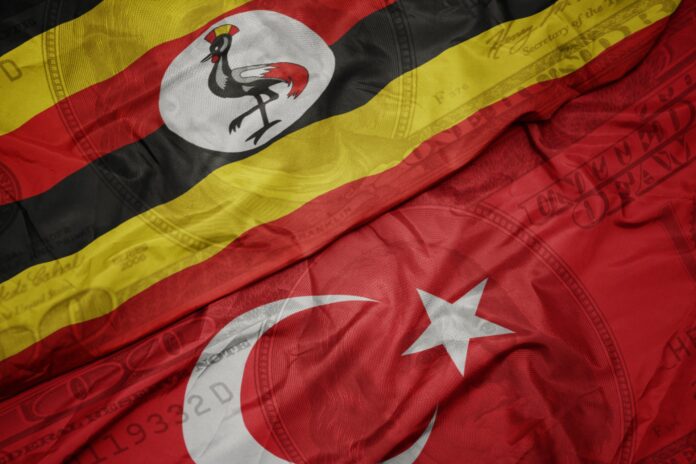
Uganda has established a strategic trade partnership with the Turkish coffee giant Kafe Kavil. Announced by the Ugandan Embassy in Ankara, this collaboration is viewed as a major milestone in the East African nation’s “Coffee Diplomacy.” The initiative aims to utilize Turkey as a primary gateway for Ugandan coffee to enter the broader Eurasian market.
This effort comes at a time when the Ugandan government is aggressively accelerating its National Coffee Planting Program. This ambitious roadmap aims to more than double the current annual production of 9.3 million (60kg) bags to 20 million bags by 2030. By establishing direct trade routes with growing commercial hubs like Turkey, Uganda is working to bypass middlemen, secure higher profits for local farmers, and strengthen its influence in the global coffee market.
Recent trade data confirms that this strategic plan is already yielding results. Official figures indicate that the demand for Ugandan coffee in the Turkish market has surged significantly, growing from 2,304 bags in 2024 to 15,037 bags in 2025. This seven-fold increase demonstrates a high appetite among Turkish roasters and consumers for the flavor and quality of Ugandan beans.
Uganda’s Ambassador to Turkey, Nusura Tiperu, described this partnership as a pillar of modern economic relations:
“This partnership creates a direct platform to showcase Ugandan coffee, culture, and investment potential to Turkish businesses. This is not just about trade; it is about building a lasting commercial bridge between the two nations.”
Unlike many countries that focus on a single coffee variety, Uganda holds a distinct competitive edge by producing large volumes of both Arabica and Robusta. This capacity allows the country to supply the international market year-round, meeting the consistent volume requirements of large corporations like Kafe Kavil.
According to Gordon Katwirenabo, Assistant Commissioner for Quality Control and Value Addition, this diversity is key to Uganda’s export competitiveness. High-quality Arabica is preferred for modern coffee shops in Ankara and Istanbul, while premium Robusta is favored for traditional Turkish coffee preparations and espresso blends.
The agreement with Kafe Kavil goes beyond a simple supply contract, focusing heavily on Value Addition. Historically, African coffee-producing nations have lost out on significant profits by exporting raw beans while others handled roasting and branding. By engaging directly with Turkish companies, Uganda is encouraging domestic processing and higher quality standards.
Acha Mary Orikiriza, representative from the Ministry of Agriculture, Animal Industry, and Fisheries, explained: “Uganda is strengthening its presence in emerging markets by establishing partnerships that create direct links between producers and consumers. This is a critical step toward improving income within the coffee value chain.”