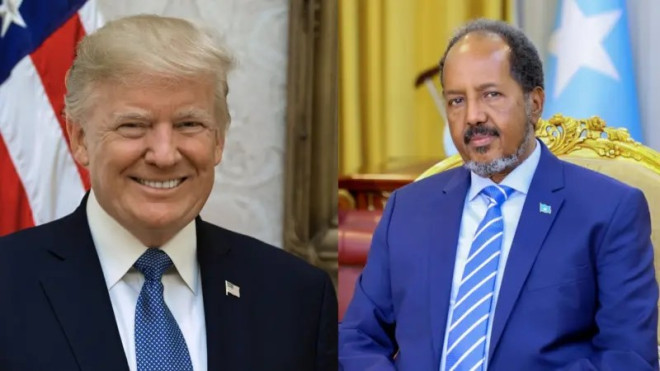
President Donald Trump has officially extended the national emergency regarding Somalia for an additional year. According to a White House notice issued on April 8, 2026, this legal framework and sanctions regime, which first began in 2010, will remain in effect until April 12, 2027.
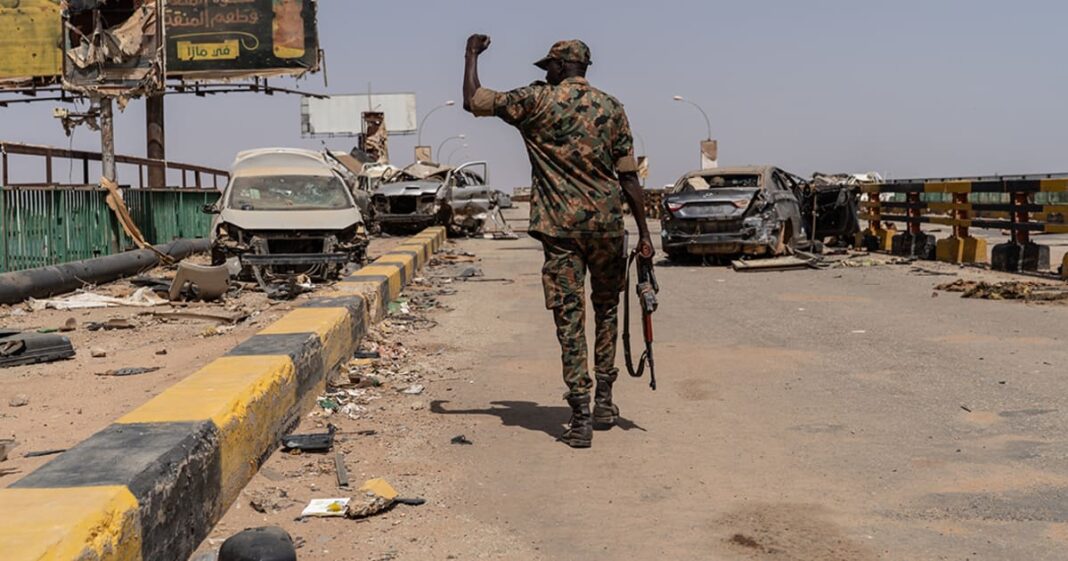
The continuation of this emergency status highlights the ongoing security challenges in the Horn of Africa; while the Somali government has shown modest progress in state-building and reclaiming territories, the U.S. administration stated that the “unusual and extraordinary threat” to national security and foreign policy persists.
This national emergency was first declared by President Barack Obama in April 2010 through Executive Order 13536. At the time, the order was issued to address complex threats including widespread maritime piracy, the breakdown of the rule of law, and the strengthening of the al-Shabab militant group, which is linked to al-Qaeda.
Under the International Emergency Economic Powers Act (IEEPA), this declaration grants the U.S. Treasury Department the authority to freeze the assets and impose travel restrictions on individuals and entities believed to be undermining the peace and stability of Somalia.
In 2012, the scope of the emergency was expanded through Executive Order 13620, specifically targeting the illegal charcoal trade—a major revenue source for al-Shabab—and those responsible for misappropriating Somali public resources.
By extending the emergency, President Trump enables the United States to continue utilizing its effective “soft power” tool of financial pressure. The Treasury Department’s Office of Foreign Assets Control (OFAC) will continue to monitor and disrupt illicit financial networks that facilitate arms trafficking and the recruitment of foreign fighters.
The administration’s notice points out that despite international support for the Somali National Army (SNA), al-Shabab remains a potent force.
The group continues to carry out complex attacks in the capital, Mogadishu, and maintains significant control over rural areas of the country. For the White House, this national emergency is not merely a formality but a necessary tool to prevent security deterioration that could spread to neighboring East African nations.