
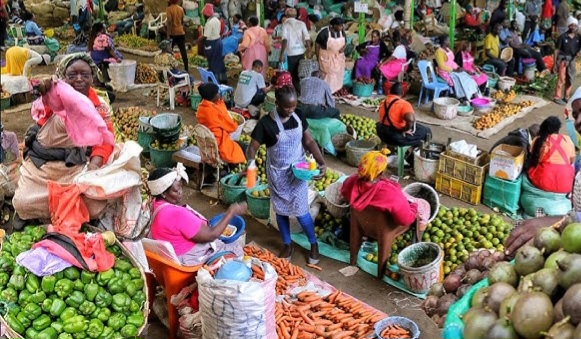
In a move that could ignite trade tensions within the East African Community (EAC), Uganda has announced its decision to restrict Kenyan traders from bypassing formal markets to purchase produce directly from farmers’ fields.
The directive was issued by Uganda’s First Deputy Prime Minister and Minister for East African Community Affairs, Rebecca Kadaga, who ordered the Ministries of Trade and Internal Affairs to establish an urgent framework to prohibit this practice.
Regarding the “farmgate” dispute, Kadaga stated during a meeting in Kampala with a delegation of cross-border women traders that Kenyan traders sourcing directly from farms constitutes exploitation that traps small-scale Ugandan farmers in a cycle of poverty.
In her remarks, the Minister emphasized that while Ugandans are hospitable people who welcome visitors, Kenyan traders should not “cheat” farmers by going into the gardens to buy products like watermelons, asserting that they must instead be stopped at the border.
She further warned that when traders enter rural plots directly, they offer prices that do not reflect fair market value, thereby stripping farmers of the bargaining power they would otherwise enjoy at designated wholesale collection centers.
Looking ahead, the Ugandan Ministry of Trade is expected to release detailed implementation guidelines by the end of the month, which are likely to include mandating sales only at designated border markets, tightening immigration controls on foreigners conducting business in rural villages, and setting new quality and aggregation standards for bulk exports.
Although the Kenyan Ministry of Trade has not issued an official response as of Saturday morning, sources within the Kenya Private Sector Alliance (KEPSA) have expressed concerns that this restriction could lead to a significant surge in food prices in Nairobi.