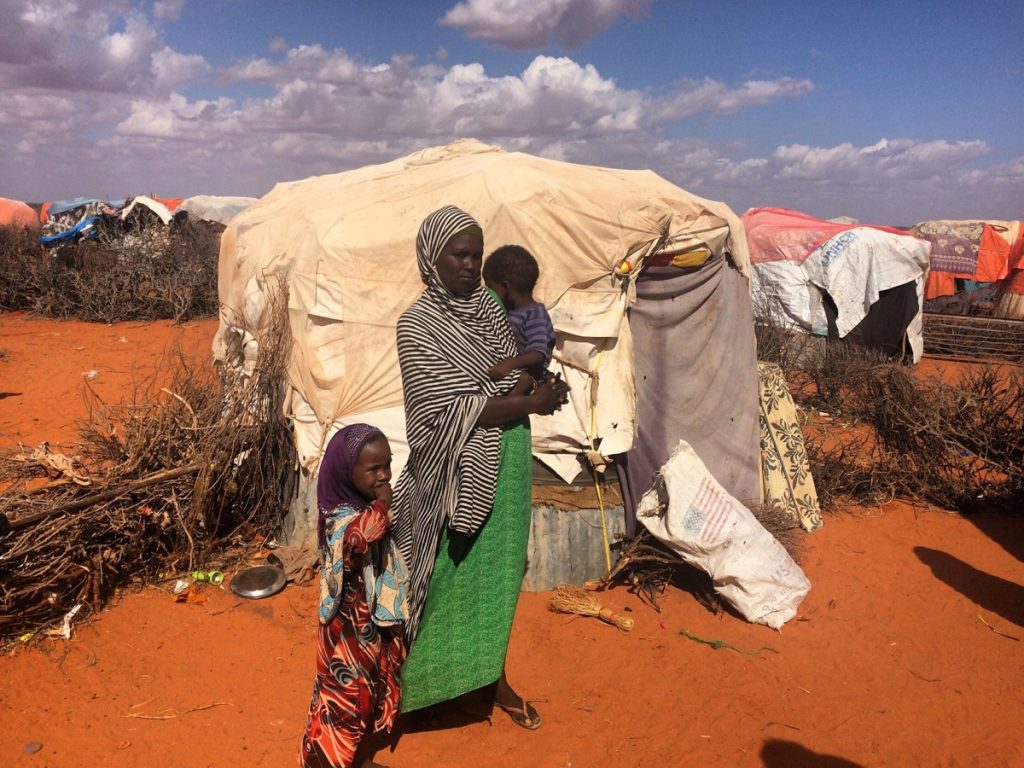
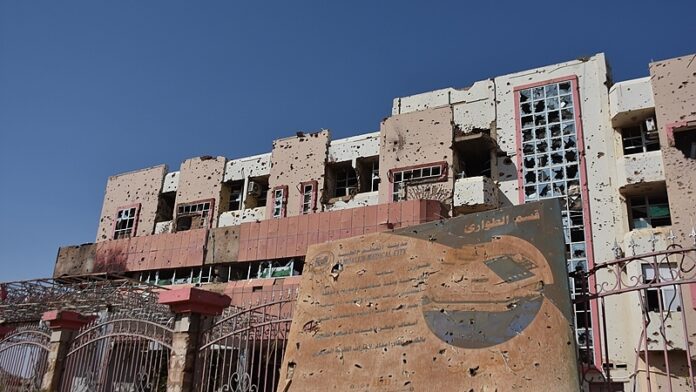
In a report highlighting the escalating humanitarian crisis in East Africa, the World Health Organization (WHO) and the United Nations Children’s Fund (UNICEF) have jointly condemned the “escalating and systematic” attacks being carried out against health facilities in Sudan.
As the conflict nears its third year, the organizations stated that the deliberate targeting of hospitals and medical professionals is not only a violation of international law but is also destroying the country’s final lifelines for survival.
According to verified data released by the WHO, the scale of the destruction is truly shocking. It has been confirmed that at least 214 attacks have been carried out against health facilities since the conflict broke out, resulting in the death of at least 2,042 people and leaving hundreds more injured.
The beginning of 2026 has shown no signs of relief. In the first three months of the year alone, 13 planned attacks were recorded, claiming the lives of 184 people. Among the most horrific of these attacks occurred on April 2, targeting the Al Jabalayn Teaching Hospital in White Nile State. In that strike, ten health professionals, including the hospital’s medical director, were killed, and the surgical and emergency departments were completely destroyed.
Shible Sahbani, the WHO Representative in Sudan, stated, “Patients and health workers should not have to risk their lives while seeking or providing care.” Sahbani emphasized that these attacks are not incidental damage, but rather targets aimed at the very existence of Sudanese society. While the structural destruction is immense, the humanitarian loss, especially among children, is incalculable.
Sheldon Yett, the UNICEF Representative in Sudan, noted that the destruction of hospitals creates a medical vacuum, which leads to preventable deaths due to malnutrition, disease, and a lack of vaccinations.
He warned that “when health facilities are targeted, children lose the services and protection they should receive at their most critical moments.” Currently, with more than a third of the country’s health facilities out of service, the possibility of outbreaks such as cholera and measles is higher than ever.
The Sudanese health system was weak even before the conflict, but recent attacks in the Blue Nile and Kosti regions have pushed the system toward total collapse. The destruction of a medical supplies warehouse in Rabak earlier this month severed the medicine supply chain, preventing doctors from obtaining even basic antibiotics, bandages, or anesthesia.
As the international community witnesses the situation worsening, the WHO and UNICEF are calling for the following measures to be taken: an immediate end to attacks on all civilian infrastructure; the allowance of safe passage for humanitarian aid and medical supplies; and the establishment of accountability for those violating international humanitarian laws.
This joint statement is a tragic reminder that unless a political solution is found, the war in Sudan is being fought not only on the front lines but also in hospital corridors and patient wards. The organizations warned that if immediate intervention is not made, the increasing death toll and widespread destruction will leave a permanent scar that will last for generations.