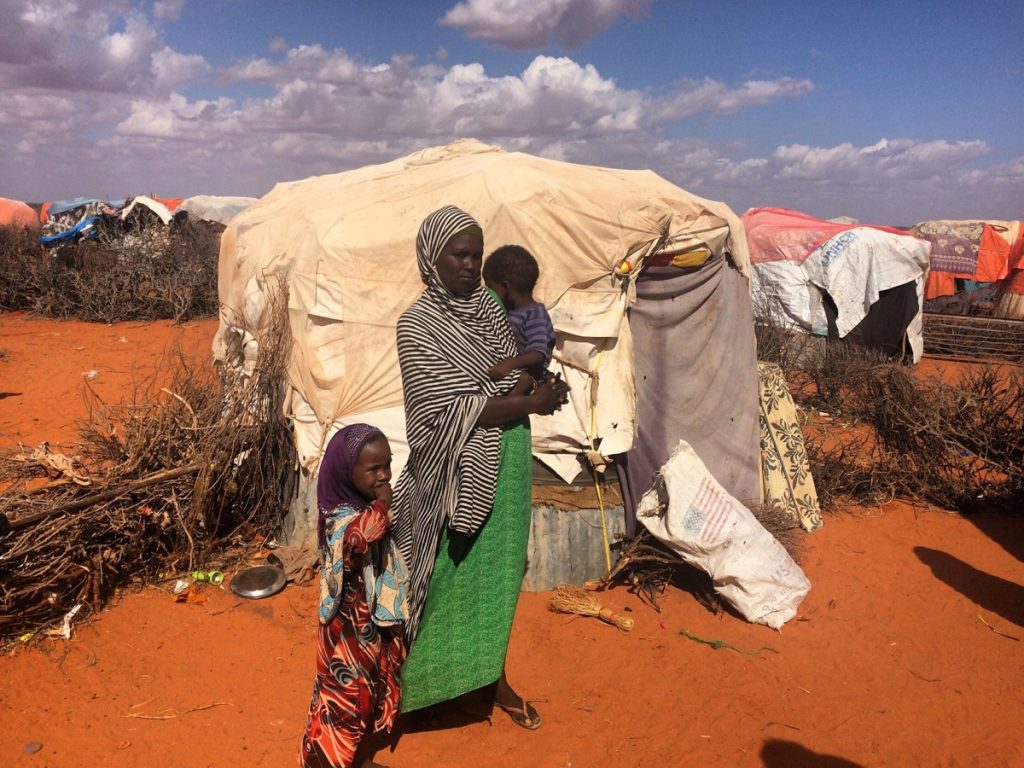
As Ethiopia grapples with a deepening humanitarian emergency, an international aid worker has issued a warning, describing the water crisis currently unfolding in the country as a “harrowing” reality. Ben Wilson, a representative of the Scottish Catholic International Aid Fund (SCIAF), has presented a sobering report after personally observing landscapes devastated by consecutive failed rainy seasons.
During his observation of the situation in Tigray and the southern lowlands, Wilson stated that the impact of climate change is not a future threat but a present disaster. Particularly in the southern part of the country, where communities have relied on cattle herding for generations, he reported seeing the ground “strewn with the skulls of dead cattle.” He noted that these cattle are not merely animals to these people; they represent their savings accounts, their source of food, and their heritage. To see millions of cattle perish is to witness the complete collapse of a community’s way of life.
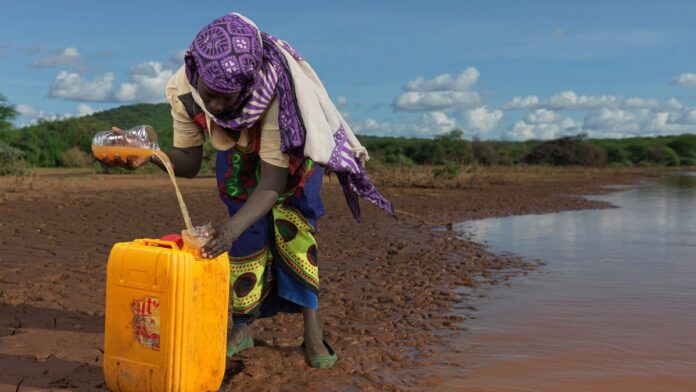
The severity of the crisis is most clearly reflected in the lives of young people. In the Tigray region, Wilson met Hirit Hishe, a woman in her early 20s who still wears a school uniform. Her education was disrupted not only by the recent conflict but also by the grueling daily journey to find water. Every day, Hirit wakes up at 10:00 local time (4:00 AM) and travels for five hours on foot to collect water.
She returns carrying a water jerrycan weighing approximately 20 kilograms on her back, which is equivalent to the weight of a suitcase allowed on an international flight. Wilson asked, “Can you imagine doing this every day for the sake of survival?” For millions of girls like Hirit, the choice has become one between an education and a single drop of water.
This report comes at a critical time for international diplomacy. SCIAF is using these testimonies to urge the British government, led by Prime Minister Keir Starmer, to reverse the controversial decision to reduce international aid to 0.3%. Aid organizations argue that diverting this money to defense spending is ineffective.
Wilson contended that international aid is itself a form of defense, stating that when support is cut off, millions of hungry and desperate people are left behind, which becomes a cause for further conflict and global instability.
Despite the dire situation, the report also indicated the transformative power of targeted investment. In areas where SCIAF has constructed modern water wells and rainwater harvesting systems, “pockets of green” are beginning to reappear. In Hirit’s village, a newly dug water well has eliminated her five-hour trek.
Beyond helping her focus on her studies, it has enabled local farmers to access the water needed to save their crops. For the 40% of the Ethiopian population living in extreme poverty, such small-scale infrastructure developments are critical matters of life and death. As the “Wee Box” fundraising appeal gains momentum in Scotland, the message coming from Ethiopia is clear: while Addis Ababa continues its modernization as a diplomatic hub, the rural areas are racing against time to secure the most basic human right—clean water.