In the face of intensifying climate change and regional conflicts, a major humanitarian aid program funded by the European Union is providing vital life-saving support to over 30,000 people in South Sudan. Implemented by Concern Worldwide, the “Saving Lives Together” program utilizes a multi-sectoral strategy to combat the spreading food insecurity and deadly cholera outbreaks in the country’s most remote areas.
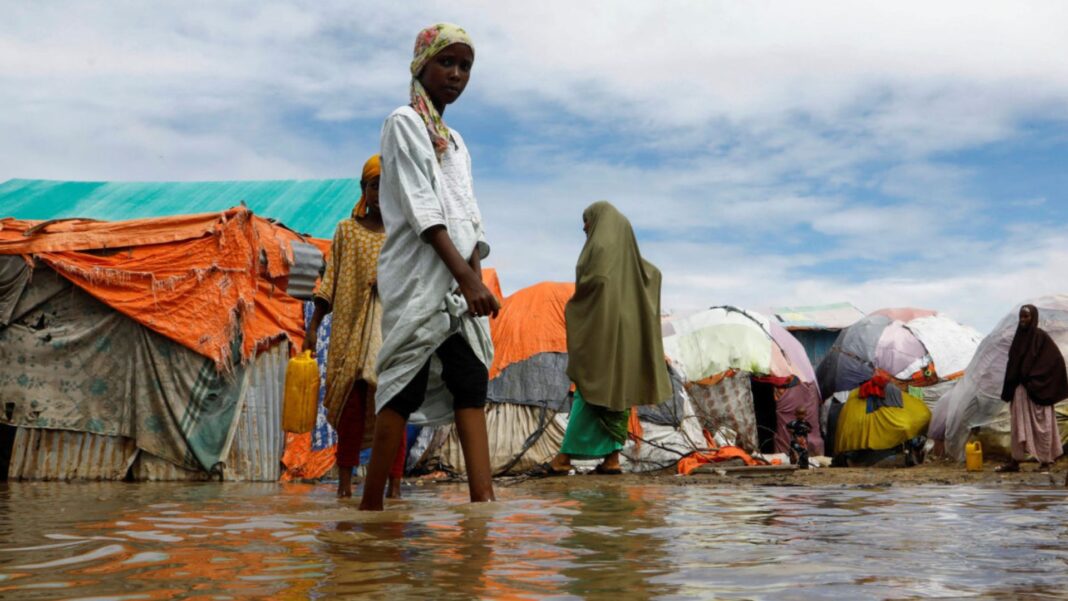
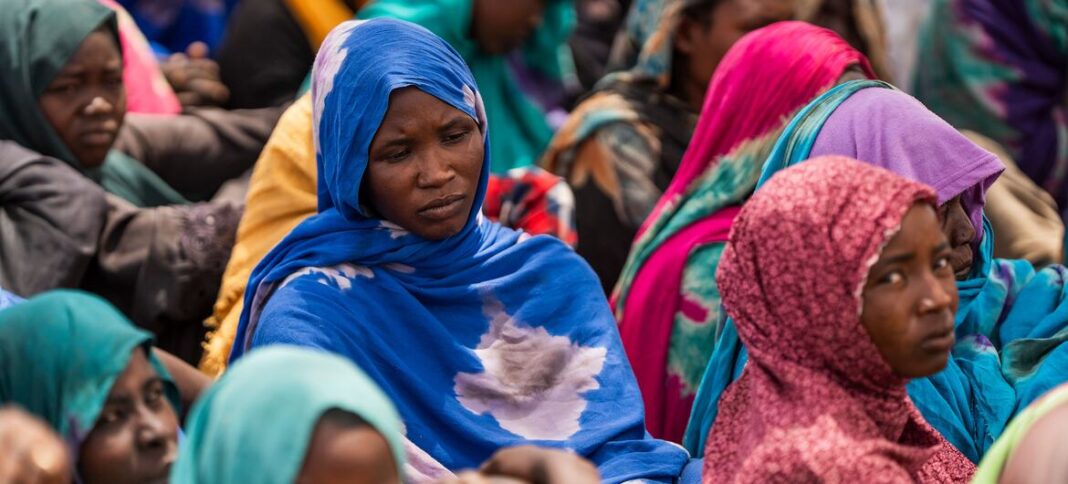
This intervention comes at a time when the young nation of South Sudan is in a state of extreme crisis. The situation has been exacerbated by catastrophic flooding in 2025, which displaced over a million people, and the arrival of 1.3 million refugees fleeing the war in neighboring Sudan. Currently, nearly 10 million people—two-thirds of the total population—are in need of urgent humanitarian assistance.
The program currently supports five health centers across two states, providing essential services including maternal delivery care by trained midwives and childhood vaccinations. To ensure long-term stability, the organization is not only renovating clinics but also installing solar-powered refrigeration units to store life-saving vaccines at the required temperatures.
Zlatko Gegic, Concern’s Country Director in South Sudan, stated, “Families are seeing real change; the number of children exposed to severe malnutrition is decreasing. In an area with such dire conditions, this kind of support is not an option—it is a struggle to keep people alive.”
The travel and logistical challenges are immense. In Unity State, a village called Kuer Latjor has been transformed into an island due to floodwaters that have not receded since 2021. Medical supplies, nutritional food, and materials needed to build new sanitation facilities reach the 3,300 residents only via small canoes.
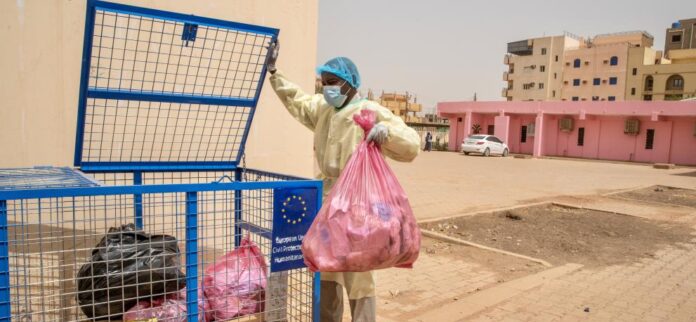
Beyond medical care, the program focuses on awareness campaigns and improving water and sanitation infrastructure to prevent the spread of cholera bacteria, which is transmitted through contaminated water.
Recognizing that healthcare alone cannot solve the problem of food security, the program has provided direct cash assistance to nearly 10,000 individuals. Each beneficiary received approximately €89, intended to serve as a bridge until displaced persons can become self-sufficient.
Ajok Dong, who fled Khartoum for the village of Aweil, says this support has been the start of a new life. “I had no knowledge of farming or the local way of life,” Ajok said. “This cash support helped me get through the time until I get my own harvest. Now I can feed my child.”