The Trump administration announced on Sunday that Ukrainian and Sudanese nationals residing in the United States will be allowed to retain their temporary humanitarian protections for the time being, shielding tens of thousands from immediate deportation.
The decision addresses the status of Temporary Protected Status (TPS), a federal humanitarian program designed to grant work authorization and protection from removal to foreign nationals who cannot safely return to their home countries due to ongoing armed conflict, environmental disasters, or extraordinary temporary conditions. Protections were originally scheduled to expire on Monday for approximately 100,000 Ukrainians and roughly 1,800 Sudanese nationals.
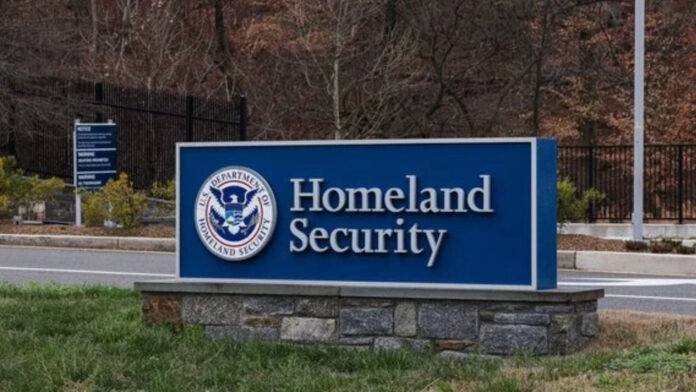
The Department of Homeland Security (DHS) issued a brief statement clarifying that a formal announcement regarding the long-term future of both programs would be made “at the appropriate time.” Until an official decision is released, individuals currently covered under the designation will remain protected under existing legal provisions. However, DHS declined to provide specific details on when a final determination would be issued or how long the temporary extension would remain in effect.
The pause in decision-making leaves beneficiaries in a prolonged state of uncertainty. A similar situation unfolded last month when the administration held off on making a final determination regarding deportation protections for over 170,000 Salvadorans. No official announcement has been made since, leaving those individuals in administrative limbo.
The humanitarian justification for maintaining TPS in both regions remains severe. Ukraine is nearly five years into a devastating conflict following Russia’s full-scale invasion. Recent months have seen civilian casualties rise to their highest levels since the early stages of the war as infrastructure damage leaves vast portions of the population vulnerable.
Simultaneously, Sudan remains embroiled in a bitter civil war that has raged for more than three years. The widespread conflict has collapsed basic public services, displaced millions of civilians internally and internationally, and triggered one of the world’s most severe food insecurity and famine crises.
The administration’s hesitant approach to immigration relief comes as Republicans prepare for high-stakes midterm elections on November 3. President Donald Trump’s aggressive immigration stance and broad efforts to curtail deportation relief programs have faced intense debate, with GOP leaders concerned about potential electoral backlash as control of Congress remains closely contested.
The protection pause for Ukrainians also underscores mounting geopolitical friction between Washington and Kyiv. Tensions between President Trump and Ukrainian President Volodymyr Zelenskyy have flared recently following the administration’s attempts to lower domestic energy costs ahead of the midterms.
To alleviate rising domestic fuel prices, the United States recently lifted sanctions on Russian diesel exports—sanctions originally imposed to starve Moscow of revenue used to finance its military campaign. Furthermore, President Trump requested that Ukraine halt drone strikes against Russian oil refineries to ensure Russian diesel could reach global energy markets.