Customs administrations in Nigeria, Benin and Cameroon are seeking technical and financial support from the African Export-Import Bank (Afreximbank) to modernise shared border infrastructure, strengthen digital trade systems and accelerate implementation of the African Continental Free Trade Area (AfCFTA).
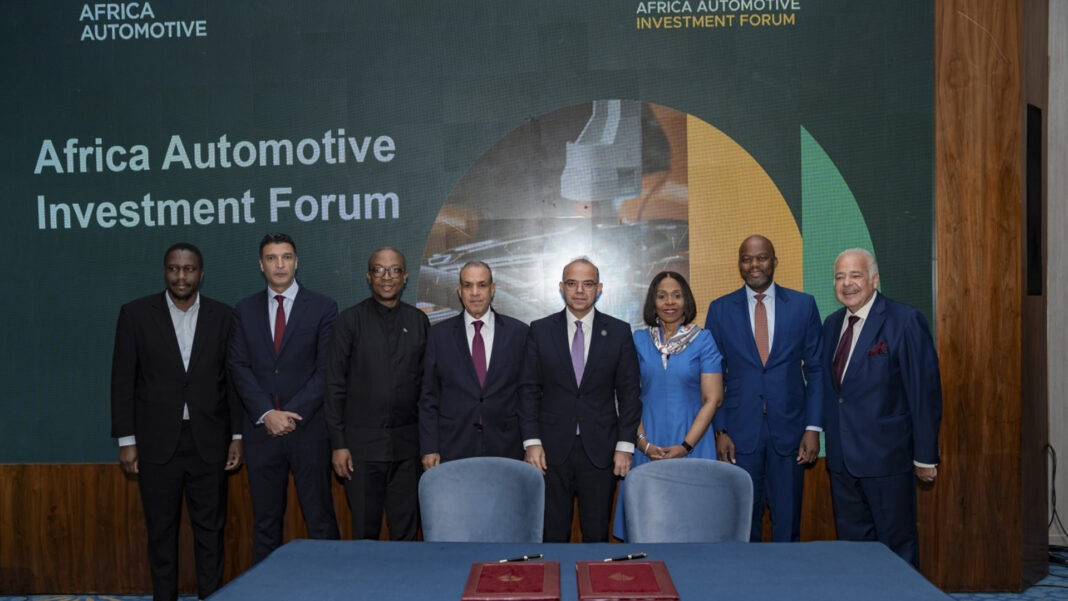
The initiative was discussed during a high-level meeting at Afreximbank’s headquarters in Cairo, led by Nigeria’s Comptroller-General of Customs, Dr. Bashir Adewale Adeniyi, with delegations from the three countries and representatives of the bank and development partners.
According to a statement issued by Nigeria Customs Service spokesperson Dr. Abdullahi Maiwada, the discussions focused on addressing infrastructure gaps, harmonising customs procedures and introducing digital solutions to facilitate cross-border trade along major regional corridors.
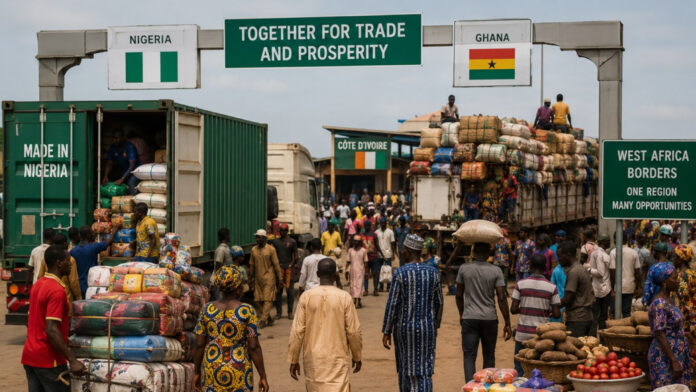
The meeting followed joint assessment missions to the Sèmè–Kraké border crossing between Nigeria and Benin and the Mfum–Ekok corridor linking Nigeria and Cameroon. Officials also visited the Beitbridge Border Post between Zimbabwe and South Africa to examine best practices in operating One-Stop Border Posts.
The assessments identified several obstacles to efficient trade, including incomplete joint customs controls, limited real-time data exchange, inadequate cargo-scanning equipment, unreliable electricity and telecommunications services, traffic congestion and inconsistent border operating hours.
Officials also highlighted uncertainty over responsibilities for maintaining shared border infrastructure. They said immediate interventions would be needed to address these operational challenges while longer-term modernisation plans are developed and costed.
A major component of the proposed initiative is the Customs Declaration Exchange System (CDES), designed to connect Nigeria’s B’Odogwu trade platform with Benin’s Customs Webb and Cameroon’s CAMCIS system.
The digital platform would allow export declarations generated in one country to automatically populate import documentation in the destination country, reducing paperwork, limiting duplication and improving the flow of cargo information across borders.
Maiwada said the system would facilitate data exchange without compromising national customs authority. Each administration would retain responsibility for validating cargo information, enforcing domestic regulations, assessing risks and authorising final clearance.
Beyond digital integration, the programme proposes investments in physical infrastructure and institutional capacity. Planned interventions include modern cargo scanners, digital weighbridges, dedicated access lanes, traffic management systems and upgraded border facilities.
The initiative also envisages off-grid renewable energy systems and improved telecommunications infrastructure to support more reliable, round-the-clock border operations. Joint training, harmonised transit guarantees and coordinated operating schedules are also under consideration.
The delegations discussed Afreximbank’s potential involvement in the Customs Partnership for African Cooperation in Trade (C-PACT), alongside mechanisms to establish regional transit-guarantee arrangements that could simplify cargo movements between participating countries.
Although the financing requirement has yet to be finalised, the parties agreed on a phased implementation roadmap covering one-month, three-month and six-month action plans. The next steps include detailed technical inspections of selected border sites, appointment of designated focal points and preparation of project cost estimates.
The proposed modernisation programme is intended to reduce cross-border trading costs, improve cargo clearance and strengthen commercial links among the participating countries.
For businesses, particularly small and medium-sized enterprises, more efficient border procedures could reduce delays and improve the predictability of regional shipments. The initiative also seeks to support AfCFTA’s broader objective of expanding intra-African trade through better-connected markets and more harmonised customs systems.