Ethiopia and Somalia are currently engaged in high-level diplomatic and legal discussions to resolve the uncertain status of a group of Somali military personnel detained in Ethiopia’s Somali Regional State. The situation, which has sparked conflicting reports regarding the exact whereabouts and legal standing of the soldiers, highlights the fragile yet persistent security cooperation between the two neighboring Horn of Africa nations.
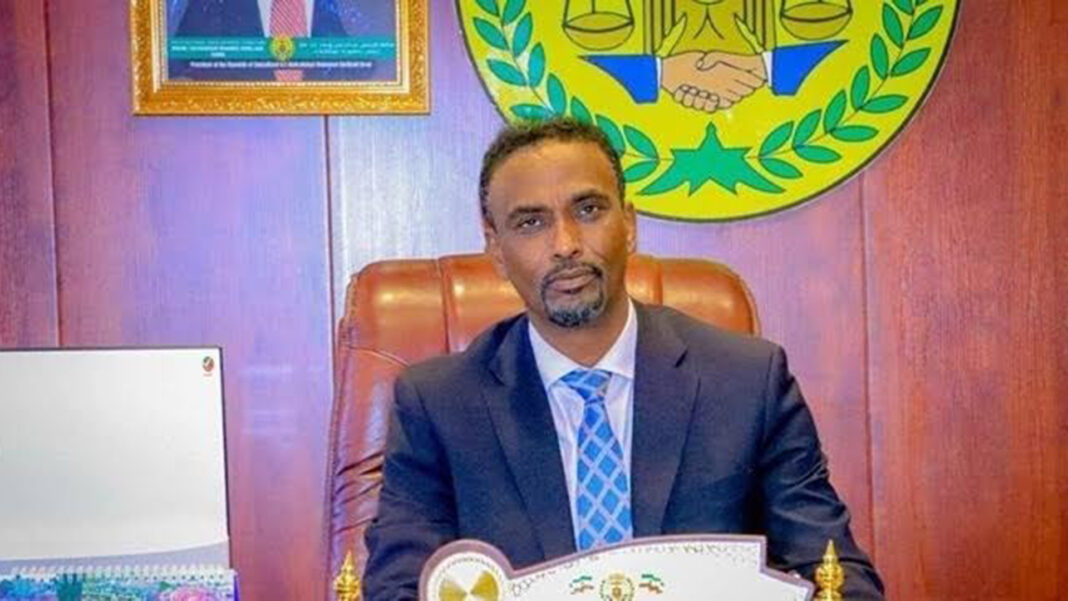
The diplomatic engagement comes after regional authorities in Ethiopia officially confirmed that a number of Somali soldiers had crossed the border without completing the required legal procedures and border documentation. According to Abdulkadir Rashid Duale, security chief of Ethiopia’s Somali Regional State, the soldiers had arrived in the city of Jigjiga in separate groups over recent months while reportedly traveling on leave. However, Duale maintained that their entry failed to comply with Ethiopia’s established immigration and security regulations, lacking sufficient documentation to verify the precise purpose of their travel.
While regional authorities have acknowledged that discussions are actively underway through established diplomatic and legal channels to reach a formal resolution, the situation remains clouded by conflicting accounts. The regional statement did not officially disclose the exact number of personnel involved, their current detention conditions, or a definitive timeline for their release.
These official remarks followed widespread reports from various regional media outlets suggesting a much larger scale. According to reports from the Puntland Post, approximately 220 Somali military personnel were transported by bus from the Garab Case military camp in Jigjiga to Ethiopia’s capital, Addis Ababa. Other unverified reports indicated that some personnel may have been moved to Dire Dawa. The outlet noted that these soldiers were among those who completed rigorous military training in August at the Xananbuurre camp in Somalia’s Galgaduud region. However, neither the Ethiopian federal government nor regional authorities have publicly confirmed these transfers or verified the exact troop numbers.
The narrative from Mogadishu adds another layer of complexity. Somali National Security Adviser Aways Haji Yusuf previously acknowledged the soldiers’ presence in Ethiopia, explaining that they were part of a contingent trained at the Xananbuurre camp with financial backing from Saudi Arabia. According to Yusuf, the federal government of Somalia was fully aware of their presence, and the personnel had been granted authorized leave to visit their families. This perspective contrasts sharply with the emphasis placed by Ethiopian regional officials on irregular border procedures and inadequate paperwork. The gap between Somalia’s authorization of leave and Ethiopia’s domestic security and immigration requirements appears to be the core issue being sorted out in current talks. Estimates regarding the total number of personnel involved have ranged widely between 180 and 900, though none of these figures have been independently verified.
These developments unfold against a backdrop of broader and more sensitive diplomatic tensions between Addis Ababa and Mogadishu, which have frequently clashed over regional security and maritime access. Despite these friction points, both nations continue to maintain critical security cooperation, particularly in joint efforts to combat the militant group al-Shabaab. Ethiopia’s military forces remain an indispensable component of regional operations in Somalia, making uninterrupted communication and cooperation vital for both governments.
Furthermore, the broader geopolitical landscape in the Horn of Africa remains tense. Somalia recently declared neutrality in the escalating diplomatic and strategic rift between Ethiopia and Eritrea, aiming to preserve stable relations with both neighbors. At the same time, growing military ties between Egypt and Somalia—including reported Egyptian facility preparations near Mogadishu and joint diplomatic summits—have drawn close scrutiny from Addis Ababa, though there is no verified evidence linking the detained Somali soldiers to these wider geopolitical maneuvers.