Sudan is confronting an intense wave of international diplomatic scrutiny over persistent allegations that its armed forces deployed chlorine-based chemical munitions during the ongoing national civil war. During the 113th session of the Executive Council of the Organisation for the Prohibition of Chemical Weapons (OPCW) in The Hague, a powerful coalition of Western nations—including the United States, Germany, Great Britain, Belgium, Australia, Finland, and the European Union—called for immediate transparency and full cooperation from Khartoum regarding its military operations.
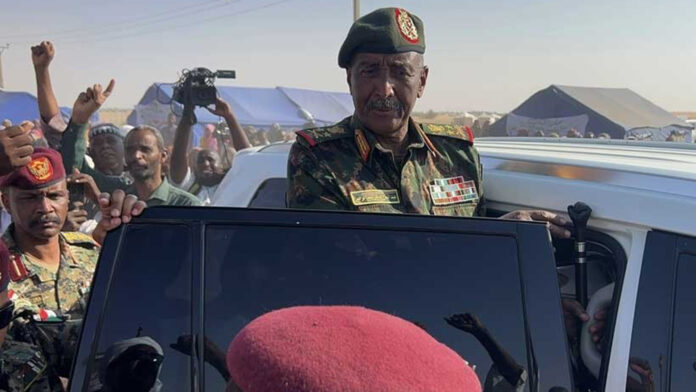
The diplomatic statements follow major media investigations that uncovered internal documents, communications, and photographic material indicating that the Sudanese Armed Forces (SAF), commanded by General Abdel Fattah al-Burhan, may have developed, stockpiled, and used chlorine gas munitions against the paramilitary Rapid Support Forces (RSF). While the OPCW’s Technical Secretariat emphasized that its public monitoring does not yet constitute a formal, independent determination of chemical weapons use, Director-General Sabrina Dallafior confirmed that the watchdog is actively tracking reports and urged member states to submit all verifiable evidence.
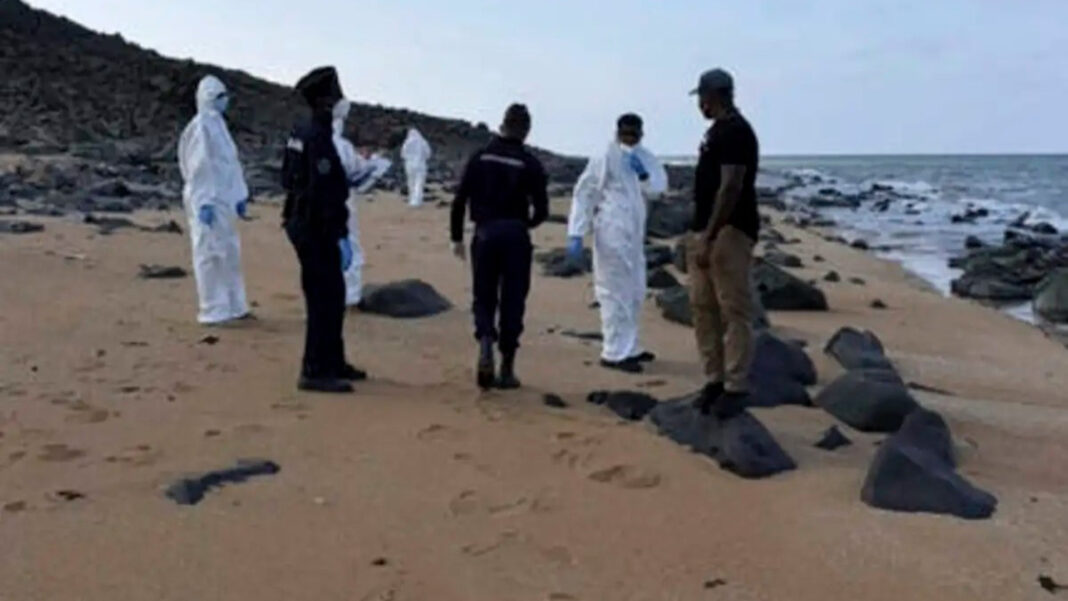
The allegations gained momentum following investigative reports detailing how chlorine—a dual-use industrial chemical prohibited as a weapon under the 1997 Chemical Weapons Convention—was deployed near strategic sites such as the al-Jaili oil refinery north of Khartoum. Because chlorine acts as a deadly choking agent when weaponized, European delegates pressed the OPCW to establish whether the reports indicate isolated battlefield tactics or point toward an organized, undeclared chemical program.
Belgian Ambassador Wouter Detavernier told the Council that prior explanations offered by Sudanese officials failed to address the severity of the findings, demanding that Khartoum provide comprehensive accounts. Similarly, German Ambassador Gudrun Lingner stressed that public indications of a wider, undeclared chemical program require a thorough national investigation published transparently to the international community. Representatives from Australia and Finland echoed these concerns, welcoming the OPCW Technical Secretariat’s commitment to monitor the ongoing conflict closely.
Sudanese military representatives and the Foreign Ministry have vehemently denied the accusations, calling the reports “baseless and without material foundation”. Officials in Khartoum maintained that Sudan remains fully committed to the Chemical Weapons Convention and reiterated previous offers to host international experts for on-site verification visits.
While the OPCW continues its internal reviews, Washington has taken direct punitive action under domestic chemical and biological weapons control legislation. Following a formal state determination, the US government implemented export restrictions and financial penalties against Sudanese entities. A second round of expanded sanctions took effect after American officials determined that Sudan had failed to meet required compliance conditions.
At the Hague meeting, US Ambassador Nicole Shampaine intensified the political debate by calling on OPCW member states to reject candidates for the Executive Council that remain out of compliance with international non-proliferation treaties. Because Sudan currently holds a seat on the 41-member governing body, the US position introduces significant tension ahead of the upcoming Conference of the States Parties scheduled for late November.
International legal experts note that while unilateral national sanctions carry immediate financial weight, formal treaty action requires forensic sampling, munition analysis, and verified access to impact zones. With the OPCW Technical Secretariat continuing its oversight, the pressure remains on Sudan to allow independent verification before crucial forensic evidence degrades further.