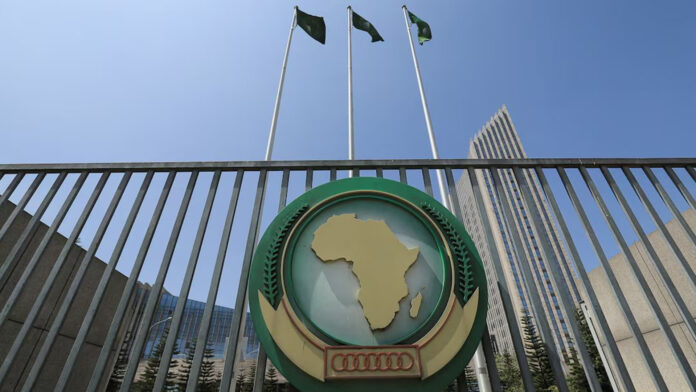
The African Union (AU) has officially launched the Africa Credit Rating Agency (AfCRA). Headquartered in Port Louis, Mauritius, the newly established institution arrives after nearly a decade of careful planning, having first been endorsed by African leaders in 2018.
The launch aims to rewrite the narrative surrounding African sovereign and corporate risk, offering a much-anticipated alternative to the “Big Three” global rating agencies: Moody’s, S&P, and Fitch.
For years, African leaders and policymakers have vocalized deep frustrations with established Western rating houses. The core criticism centers on allegations that global agencies fail to fairly evaluate the true risks of lending to African economies. Critics have frequently accused major firms of being overly reactive, moving swiftly to downgrade developing nations during external shocks, regional conflicts, or global health crises.
While global agencies maintain that they apply uniform, standardized methodologies worldwide, African leaders argue that these frameworks frequently overlook local economic realities, informal market contributions, and the tangible structural reforms taking place across the continent.
Proponents emphasize that AfCRA is not designed to function as a nationalist rubber stamp or hand out unearned favorable scores. As Nigerian President Bola Tinubu noted ahead of the rollout, “Africa is not asking for favourable ratings; we are asking for fair ratings, grounded in our fundamentals and in the reforms our economies are actually carrying out”.
The timing of AfCRA’s operational debut is critical. Years of aggressive government borrowing, compounded by global economic headwinds, have pushed several African nations into acute debt distress. According to AU figures, the continent’s cumulative annual external debt service skyrocketed to $163 billion, a staggering leap from $61 billion in 2010. In many developing nations, mounting interest payments now actively eclipse national budgets allocated for critical social pillars like healthcare and education.
By operating independently through shareholder capitalization and operational revenues, AfCRA intends to evaluate sovereign borrowers, financial institutions, and private corporations. By providing transparent, context-specific assessments rooted deeply in African data and expertise, the agency hopes to bolster investor confidence.
Furthermore, the initiative aims to bridge a major coverage gap. Currently, roughly 23 economies across the continent lack any credit rating from the traditional global agencies, effectively locking them out of international capital markets. By broadening analytical coverage and offering a nuanced view of local-currency debt instruments and regional dynamics, AfCRA seeks to lower borrowing premiums, ease severe fiscal pressures, and foster long-term sustainable economic growth across the continent.