Somalia’s domestic revenue generated from customs duties has plummeted by approximately 40%. This steep economic decline is a direct consequence of ongoing trade disruptions in the Strait of Hormuz, which have severely strained international shipping and inflated import costs.
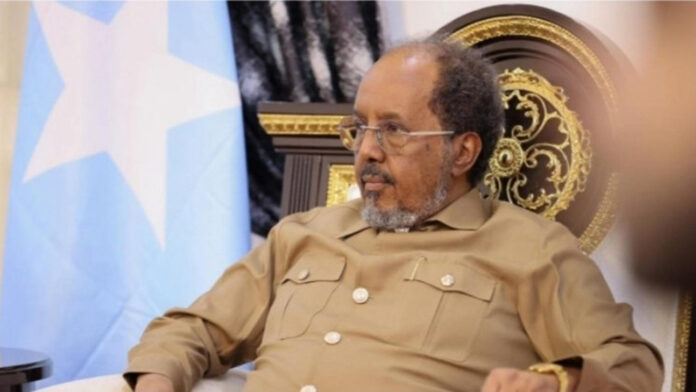
The alarming figures were revealed by term-ended President Hassan Sheikh Mohamud during a high-level address to the United Nations General Assembly.
Heavy Reliance on Middle Eastern Trade Leaves Somalia Exposed
Addressing the international body, President Mohamud emphasized that Somalia’s heavy economic reliance on goods imported from the Middle East leaves the nation uniquely vulnerable to blockades, conflicts, or navigational hazards in the strategic waterway. The Strait of Hormuz serves as a critical global artery through which a massive share of international energy supplies and commercial cargo flows daily.
“The disruption has also resulted in approximately a 40% decline in our customs-based domestic revenue,” Mohamud told the U.N. General Assembly.
The president noted that these customs duties are far from arbitrary numbers; they form a cornerstone of government financing. The funds collected at ports and entry points directly support crucial national economic reforms, foster steady growth, and finance targeted efforts to reduce poverty across the country. Although the president did not specify the exact baseline dates or provide granular comparative figures from before and after the shock, the macroeconomic toll is already palpable across government ledgers.
Inflation, Surging Prices, and Shrunk Import Volumes
Beyond government coffers, the maritime bottlenecks are severely punishing everyday Somali citizens and local businesses. The President highlighted that the instability around the Strait of Hormuz has triggered a cascade of domestic financial pressures, driving up retail prices for basic commodities like food and fuel. Furthermore, general inflation, transport logistics expenses, and maritime insurance premiums for inbound cargo have all escalated dramatically.
These presidential statements reinforce internal assessments previously released by national institutions. Earlier in the year, a comprehensive report submitted by Somalia’s national statistics agency to the Cabinet revealed that total import volumes entering the country dropped by nearly 40% during the peak of the disruptions. That same governmental review documented a 10% spike in staple food prices alongside a 14% increase in health-care service costs, with specialized goods facing even sharper hikes.
In response to these compounding domestic pressures, the Somali Cabinet previously instructed relevant state agencies to formulate and deploy immediate measures to cushion the population. However, because the country depends so heavily on foreign imports for sustenance and energy, households remain deeply exposed to shifting global supply chains.
President Mohamud urged the global community to recognize the far-reaching ripple effects of regional maritime instability on developing nations.
“Ensuring free and fair navigation through that waterway is critical to protecting vulnerable economies such as Somalia,” Mohamud stated, appealing for international cooperation to restore stability and secure unhindered trade routes through the vital Middle Eastern corridor.