By HER staff reporter
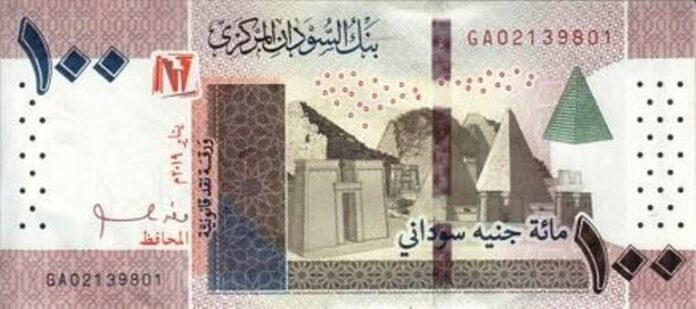
The Sudanese pound has suffered a catastrophic depreciation, plummeting to a record low of over 7,300 per U.S. dollar on the parallel market. This latest economic blow extends a weeks-long rout that continues to erode purchasing power across the country, unfolding despite aggressive state crackdowns targeting unauthorized currency dealers and informal market operators.
The currency’s sharp descent has accelerated significantly following a major policy shift by the Central Bank of Sudan. Monetary authorities recently granted commercial lenders greater flexibility to determine foreign exchange rates and purchase export proceeds. While intended to introduce market-driven mechanisms, the transition has instead triggered an immediate freefall, sparking a fresh, unrelenting wave of price increases across basic goods, fuel, and essential services for ordinary citizens already battered by years of instability.
Market activity reflects the severity of the crunch. Traders reported that dollar buying rates touched roughly 7,300 pounds, a staggering valuation gap that continues to widen. The crisis has similarly battered the pound against regional currencies: the Saudi riyal is being offered at approximately 1,850 pounds, the United Arab Emirates dirham at 1,950 pounds, and the Qatari riyal at about 1,900 pounds. Compounding these transactional hurdles, widespread disruptions to mobile banking platforms have severely hampered everyday commerce and remittances.
Financial participants and economic analysts warn that the situation could deteriorate further. Without urgent, sweeping structural intervention from monetary authorities to rein in rampant speculation and inject much-needed liquidity into the financial system, local market observers caution that the exchange rate could weaken toward a grim milestone of 10,000 pounds per dollar.
In response to the mounting crisis, authorities in Khartoum have drastically stepped up enforcement measures. Law enforcement and judicial bodies have intensified operations against unauthorized currency dealing. Highlighting this hardline stance, the Haj Youssef Criminal Court recently handed down two-year prison sentences to two prominent currency traders, alongside steep fines of 15 million Sudanese pounds each and the complete confiscation and seizure of their funds. These convictions stemmed from an operation executed by the East Nile criminal investigation unit, which apprehended individuals in the Soba East district for holding unauthorized sums of foreign currency.
Government officials maintain that speculative trading severely exacerbates the downward pressure on the national currency and directly fuels runaway inflation. To address these systemic vulnerabilities, the government recently established a dedicated exchange rate task force. Led by the finance minister, the body has been tasked with devising emergency stabilization measures.
However, skepticism remains high regarding the long-term efficacy of policing the black market. The broader currency crisis is fundamentally driven by severe foreign-reserve shortages and the near-total collapse of productive and commercial output, a byproduct of more than three years of devastating conflict. Economists and traders note that police crackdowns and punitive court sentences will do little to halt the pound’s decline unless accompanied by comprehensive macroeconomic reforms designed to resolve hard currency deficits, restore export streams, and successfully redirect foreign flows back into formal banking channels.