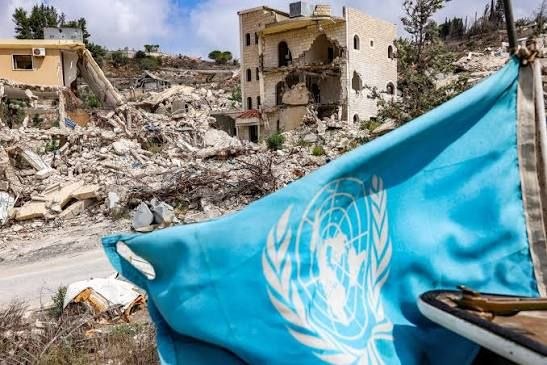
The United Nations is navigating a deeply volatile geopolitical era, marked not only by severe budget reductions but also by a deteriorating political landscape that threatens the foundational goals of global peace operations. As international missions face mounting operational friction, experts and humanitarian organizations are warning that financial constraints are directly undermining the safety, presence, and protective capacity of personnel deployed in vulnerable regions across the globe.
Recent analyses of UN peacekeeping frameworks reveal that budget restrictions are far more than administrative adjustments. According to field experts, the cuts are actively translating into a diminished physical presence on the ground, reduced patrol frequencies, and scaled-back monitoring capabilities in active conflict zones.
Knut Sverre, the thematic lead for UN reform and peace operations at NORCAP, emphasized the severity of the situation during recent stakeholder discussions, noting that budget cuts do not simply trim excess administrative costs; rather, they directly impair the protection afforded to vulnerable populations.
In critical operational theaters, such as South Sudan, the consequences are already visible. The scaling back of resources has forced missions to shutter specific regional bases, resulting in a stark drop in community outreach, early warning signals, and localized conflict mitigation. Furthermore, restrictions on logistical assets—including air and ground transport capacity—complicate the ability of peacekeepers and humanitarian partners to access isolated or rapidly deteriorating crisis areas.
The financial squeeze coincides with a broader erosion of multilateral trust. Member states are facing tighter domestic financial constraints, lower diplomatic alignment, and increasing polarization within the UN Security Council. This friction makes achieving consensus on realistic, flexible, and well-resourced mandates increasingly difficult.
Compounding these challenges is the disproportionate impact that downsizing has on specialized personnel. Reductions frequently affect civilian staff, including women personnel whose presence is essential for building local trust, gathering critical intelligence, and ensuring broad community access.
In response to these systemic pressures, independent experts and humanitarian agencies are actively evaluating how peace operations can optimize resource allocation, maximize cross-mission learning, and identify the most critical areas of expertise required on the ground. Stakeholders are emphasizing the necessity for member states to step up contributions—not only through financial backing, but also via skilled personnel and unified political support.
As part of these ongoing reform efforts, a delegation of experts is scheduled to travel to New York this October. The delegation aims to present firsthand field insights directly to UN leadership and member states, contributing critical operational perspectives to ongoing discussions about the long-term viability, structure, and future of international peacekeeping.