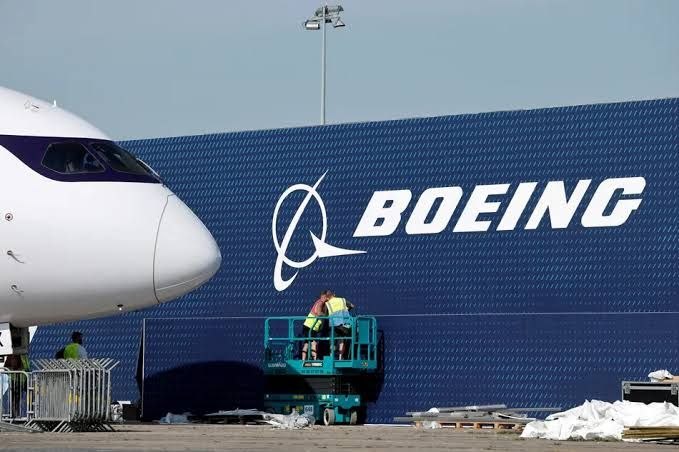
Ethiopian Airlines is nearing a significant agreement to acquire up to 10 long-haul Boeing freighters, according to industry sources familiar with the matter. The potential multi-aircraft deal underscores the carrier’s aggressive strategy to expand its cargo capabilities and support a massive new aviation hub designed to rival major Gulf carriers.
The impending transaction is expected to include a combination of Boeing’s current-generation 777F aircraft and the newer, delayed 777-8F freighter model. Sources indicate the order will likely feature two of the legacy 777F planes to bridge an operational gap, while the remaining aircraft will comprise the advanced 777-8F model. Neither Boeing nor Ethiopian Airlines immediately responded to requests for comment regarding the ongoing negotiations.
The deal comes at a critical juncture for Boeing’s widebody manufacturing timeline. Under international emissions regulations, Boeing is mandated to cease production of the widely utilized 777F at the end of 2027, concluding a successful commercial run that has seen sales of more than 400 units. However, persistent delays in the development and certification of the broader 777X jet family—which includes the 777-8F cargo variant—have placed intense pressure on the U.S. planemaker to extend the production life of the current 777F to prevent supply chain disruptions.
To navigate this regulatory hurdle, Boeing filed a request with the U.S. Federal Aviation Administration (FAA) in December for a regulatory waiver. The exemption would permit the company to deliver an additional 35 777F freighters past the cutoff date, citing robust market demand and schedule slippage in the 777X program. The FAA confirmed that the waiver request remains under review with no final decision yet rendered, though industry insiders suggest Boeing maintains strong confidence in securing the necessary approval. Currently, Boeing maintains a production rate of two 777F freighters per month.
Ethiopian Airlines, already recognized as Africa’s largest carrier, is well-positioned to integrate the new freighters into its existing logistics network. The airline currently commands a diverse fleet of 147 aircraft, which includes 12 Boeing 777F cargo planes, three Boeing 767 freighters, and four medium-haul converted 737 jets. The carrier’s cargo ambitions were further highlighted earlier this year when it finalized lease agreements with AerCap for two passenger Boeing 777-300ER airframes destined for freighter conversion.
Beyond Boeing’s offerings, the airline has also monitored alternative cargo solutions, including Airbus’s upcoming A350F, whose maiden flight has faced slight scheduling adjustments toward the end of September.
The fleet expansion directly supports a transformative infrastructure project currently underway in Ethiopia. The airline is actively helping to finance a $12.5 billion mega-airport development located in Bishoftu, situated approximately 45 kilometers southeast of Addis Ababa. Slated to open its first phase by 2030, the four-runway Bishoftu International Airport is projected by the African Development Bank to handle up to 3.7 million metric tons of cargo annually.
This ambitious capacity growth follows a strong financial period for the carrier’s logistics arm. State media reported last month that Ethiopian Airlines handled 897,000 metric tons of cargo in its most recent fiscal year, marking a robust 16 percent year-over-Year increase.