
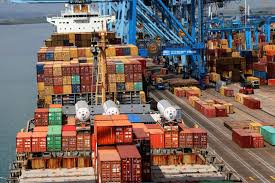
The war against Iran in the Middle East is destabilizing global supply chains, plunging Sudan’s fragile healthcare system into a new and “worst-case scenario” crisis. In just three weeks since the conflict began, Sudanese medicine importers have reported that shipping and insurance costs have jumped by as much as 120%, severely jeopardizing the country’s efforts to secure life-saving medications.
This surge in logistics costs comes at a time when Sudan’s domestic pharmaceutical production is already critically weakened; since 2023, approximately 85% of Sudan’s industrial sector has been damaged due to the country’s internal civil war.
Factories in Khartoum, which previously produced 80 types of medication, remain out of service, leaving the nation almost entirely dependent on increasingly expensive imports.
Walid Mohamed Ahmed, head of the medicine importers’ division, noted that while Port Sudan is still processing older orders, new shipments are facing significant delays. Even alternative suppliers like Egypt and Turkey are affected because their raw materials from China and India must pass through conflict zones, causing both sea and air freight costs to skyrocket simultaneously.
In response to this crisis, Health Minister Haitham Mohamed Ibrahim met with pharmaceutical officials to draft a strategy implemented through the National Medical Supplies Fund. The plan includes prioritizing stocks of medications for cancer and kidney disease, establishing new partnerships with countries outside the Gulf region, and relocating drug production to safer states within Sudan to reduce reliance on Khartoum.
Economic analysts warn that by mid-2024, Sudan’s strategic reserves of essential medicines had already dropped to 20% of pre-war levels, and the current crisis will only worsen the situation.
As rising oil prices driven by the Middle East conflict push the final cost of medicine beyond the reach of ordinary citizens, economic analyst Haitham Mohamed Fathi has urged the government to immediately establish an emergency committee to monitor critical stocks. He emphasized that while shipping routes from Europe remain open, the soaring costs of fuel and insurance act as a barrier as formidable as any formal blockade to Sudan’s health sector.