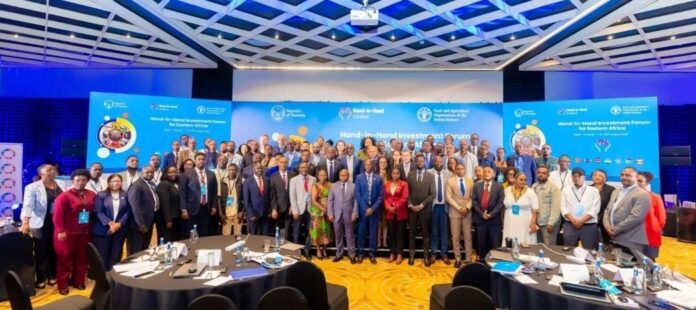
The Federal Government of Somalia has unveiled a massive $183 million agrifood investment pipeline. The ambitious portfolio was officially presented at the East Africa Hand in Hand Investment Forum in the Rwandan capital, marking a major milestone in the nation’s efforts to rebuild its economy through private enterprise.
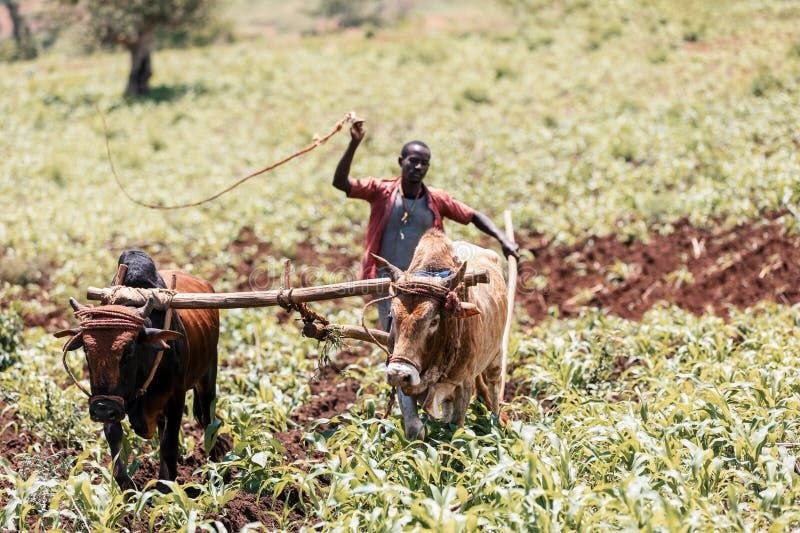
Spearheaded jointly by Somalia’s Ministry of Agriculture and Irrigation and the Ministry of Livestock, Forestry and Range, the initiative targets vital agricultural value chains. Specifically, the proposed investments focus on high-potential commodities including sesame, maize, dairy, and animal fodder.
According to government projections, successfully channeling capital into these sectors could directly benefit more than 3.5 million Somali farmers and pastoralists. By bridging critical gaps in production, processing, storage, and market distribution, the initiative aims to transform traditional farming practices into a modernized, commercially viable economic engine.
For decades, Somalia’s rural economy has faced compounding vulnerabilities, including severe climate shocks like recurring droughts and floods, limited infrastructure, and persistent security challenges. These pressures have frequently disrupted local food production, leaving millions reliant on emergency humanitarian assistance.
However, Somali officials at the Kigali forum emphasized that sustainable recovery requires building structural resilience from within.
”The message to international investors is clear: it is time to look past humanitarian challenges and recognize the immense commercial potential of Somalia’s agrifood economy,” a ministry official noted during the proceedings.
By upgrading agricultural and livestock systems, the government hopes to simultaneously achieve multiple national milestones: expanding domestic food production, reducing costly reliance on imported foods, curbing unemployment, and generating stable, broad-based incomes for rural communities.
The $183 million investment drive forms part of the broader Hand-in-Hand Initiative, a specialized program led by the Food and Agriculture Organization (FAO) of the United Nations. The initiative is designed to accelerate agricultural transformation in developing nations by strategically matching country-owned, high-impact proposals with private and institutional development partners.
Economists and agricultural experts present at the forum noted that upgrading Somalia’s value chains—particularly in dairy and cash crops like sesame—could unlock lucrative regional and international export pathways. For pastoralists, enhanced production of animal fodder and modernized dairy processing facilities promise greater stability against the backdrop of changing weather patterns.