South Sudan and Kenya have officially committed to accelerating the construction of a major cross-border transport corridor. This project is designed to significantly cut cargo transit times, drop freight costs, and create a direct economic pipeline between Kenya’s Port of Mombasa and South Sudan’s capital, Juba, effectively bypassing the longer route that currently cuts through Uganda.
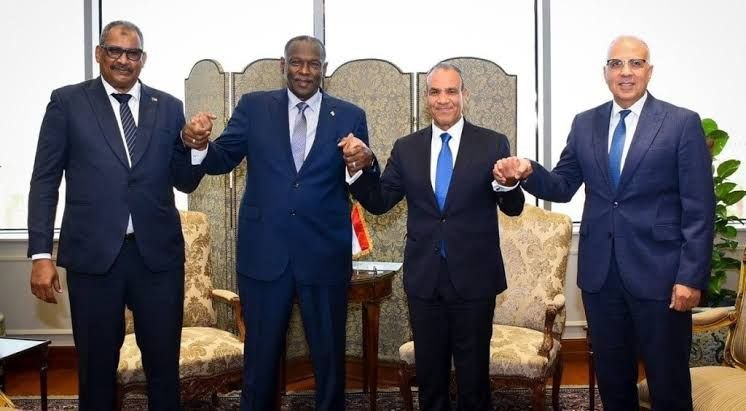
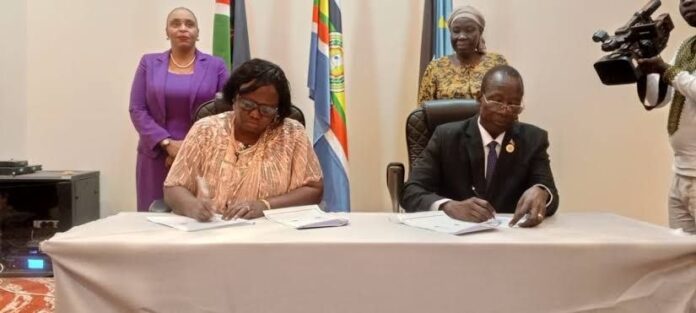
This high-level pledge was finalized during talks in Nairobi between South Sudan’s Minister of Foreign Affairs, James Pitia Morgan, and Kenya’s Prime Cabinet Secretary and Minister for Foreign Affairs, Musalia Mudavadi. Their discussions centered on deepening bilateral relations, bolstering cross-border security, and advancing broader economic integration under the East African Community (EAC) framework.
Central to these talks is the completion of the highway connecting Lokichokio in northern Kenya to the border town of Nadapal, which then runs directly into Juba. For landlocked South Sudan, accessing Kenya’s Indian Ocean port of Mombasa is essential for receiving vital imports such as commercial merchandise, fuel, food, and humanitarian assistance. However, current logistics force shipping fleets to make an indirect loop through Kenya and Uganda before finally entering South Sudan from the south.
Addressing the media via the South Sudan Broadcasting Corporation (SSBC) after the Nairobi meeting, Minister Morgan highlighted that constructing this direct route is no longer a passive preference, but a vital economic necessity for both nations. He noted that moving away from the Mombasa-Nairobi-Kampala-Juba transit route in favor of the direct Nadapal corridor will serve as a primary engine for sustainable economic development across both borders.
Trade and logistics analysts point out that eliminating extra border clearances and geographic detours through Uganda will drastically accelerate delivery turnarounds. For South Sudan’s economy—which struggles with high inflation and elevated cost of living—lowering freight overheads is expected to reduce retail prices for everyday consumer goods.
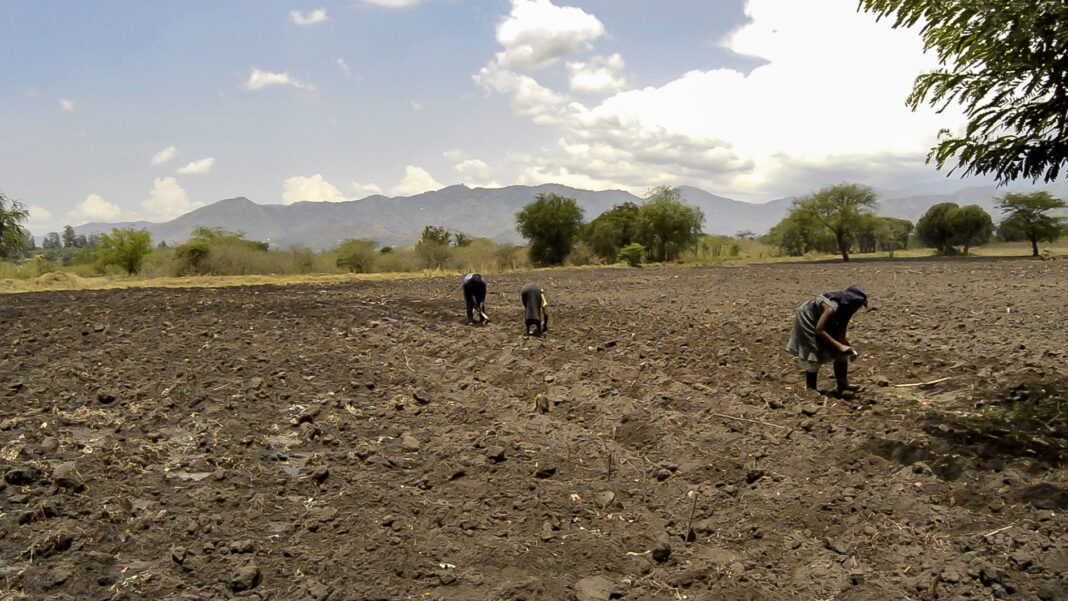
In addition to economic savings, both governments underscored that a modern, heavily monitored highway through the Lokichokio–Nadapal region will greatly improve security in frontier areas that have historically faced instability and banditry. Introducing routine customs checkpoints and stronger law enforcement presence along the route will better safeguard commercial convoys while invigorating local businesses in border communities.
Prime Cabinet Secretary Musalia Mudavadi reiterated Kenya’s solid commitment to the venture, emphasizing that Nairobi regards South Sudan as both a key trade ally and an indispensable partner within the East African Community. He noted that updating regional transit links is essential to unlocking the true market potential of both economies.
Although the Lokichokio–Nadapal–Juba corridor has been under consideration for years as part of regional integration initiatives, progress was repeatedly hindered by financing hurdles, technical delays, and security risks in border zones. This fresh wave of political drive demonstrates a shared resolve from both Nairobi and Juba to clear regulatory hurdles and secure final funding.