Africa must urgently shift away from exporting raw, unprocessed natural resources and instead focus on in-country value addition if the continent hopes to unlock the full economic potential of the African Continental Free Trade Area (AfCFTA). This clear warning was delivered by Patience Okala, the National Coordinator and Chief Executive Officer of the Nigeria AfCFTA Coordination Office, during her address at the Streamsowers & Köhn 20th Anniversary Business Forum on Thursday.
According to an official statement released on Friday by the Nigeria AfCFTA Coordination Office, Okala emphasized that local processing—often referred to as beneficiation—is no longer just an economic preference, but a vital imperative for driving industrialization, creating millions of sustainable jobs, and fostering long-term economic growth across the continent.
For decades, many African nations have remained trapped in a historic economic model defined by the extraction and export of crude minerals, raw agricultural products, and unrefined resources to foreign markets, only to import expensive finished goods made from those same raw materials. Okala noted that the AfCFTA was specifically designed to disrupt this imbalance, cautioning against viewing the landmark agreement merely as a set of administrative rules for cutting duties, and clarifying that its core goal is structural economic reform.
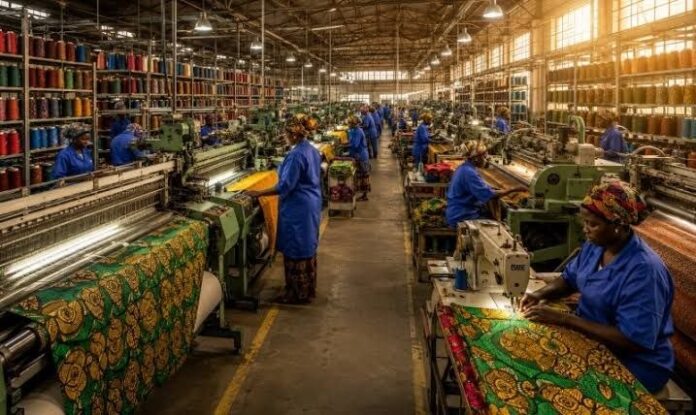
“AfCFTA is not only about tariffs; it is also about value addition,” Okala declared. “Africa has to stop exporting raw materials. We need to add value and ensure that beneficiation is done on the continent.” By retaining processing within African borders, participating nations can capture higher margins in global and regional supply chains, retain wealth locally, and protect their economies from foreign price volatility.
Addressing business leaders, legal experts, and policymakers at the forum, Okala stressed that signing continental treaties is only the first step. The true test of the free trade agreement will be how effectively member states translate legislative texts into actual cross-border commerce. She noted that the era of long-drawn policy negotiations has largely drawn to a close, and the current priority must shift entirely to operational execution.
“We have moved beyond negotiations,” Okala remarked. “The success of AfCFTA will be measured by the extent to which businesses can access new markets, trade seamlessly across borders and benefit from the opportunities created by the agreement.”
To turn the vision of intra-African trade into everyday reality, the Nigeria AfCFTA Coordination Office highlighted several critical priority areas required across the region. Chief among these is expanding regional supply chains by integrating systems so that primary commodities mined or grown in one African nation are processed into mid-stream and finished goods in neighboring partner countries.
Furthermore, governments and private investors must heavily fund local manufacturing plants, industrial zones, energy security, and processing technologies required to refine raw minerals and agricultural outputs locally. Crucially, nations must work to eliminate non-tariff barriers by streamlining border clearances, harmonizing product standards, and simplifying customs documentation to allow processed goods to flow frictionlessly between borders.