In a major push toward modernization across key maritime hubs in the Indian Ocean and East African corridors, Grand Port Maritime de La Réunion and Djibouti Shipping have announced the successful deployment of advanced software solutions designed to automate critical port and fleet operations. The transition from legacy paper-based tracking to fully integrated digital platforms highlights a growing regional trend aimed at mitigating the operational pressures of tight shipping schedules, complex regulatory environments, and mounting supply chain demands. By adopting these tools, both entities are positioning themselves to significantly enhance efficiency, safety compliance, and long-term asset sustainability.
At the center of this technological overhaul is the installation of the specialized BoatOn Book software system, a multi-faceted digital module configured to handle everything from preventative asset maintenance to real-time crew management.
In an industry where unexpected mechanical downtime or regulatory non-compliance can cost operators tens of thousands of dollars per day, the move toward automated tracking represents a crucial step forward. Regional maritime experts note that the automation of these processes not only minimizes human error but also provides shore-based executives and on-board crew members with a synchronized, single-source interface to manage complex logistics seamlessly.
For Grand Port Maritime de La Réunion, which has rapidly expanded to become France’s fourth-largest container port and a pivotal transshipment hub in the Indian Ocean, the digital upgrade targets its most critical infrastructure.
The port facility houses a naval base, a dedicated cruise terminal, an active fishing harbor, and a specialized ship repair yard. Crucial to its entire containerized commercial business is the “Dock Titan,” a massive crane system measuring 120 meters by 32 meters. Boasting a lifting capacity of 4,600 tonnes, the Dock Titan stands as the largest ship lift in the entire region, making its uninterrupted operational availability vital to the port’s financial viability.
To safeguard this massive investment, Grand Port Maritime integrated the new software to systematically coordinate maintenance tasks, manage spare parts inventories, schedule technical interventions, and automate supplier ordering specifically for the Dock Titan system. According to port superintendent Karine, the implementation of the program has completely transformed their workflow, allowing the engineering team to maintain absolute traceability over every technical intervention.
By moving away from disjointed spreadsheets and manual logs, the port can now accurately predict component fatigue, optimize spare parts procurement, and dramatically reduce the risk of unexpected structural bottlenecks that could paralyze the hub’s transshipment capacity.
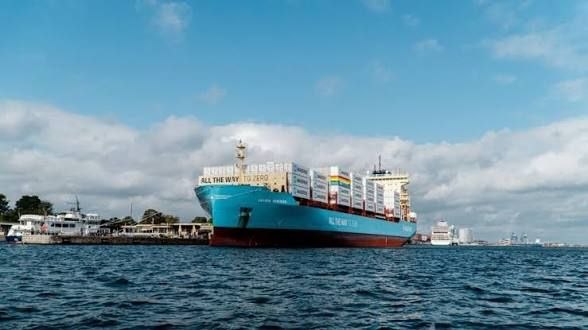
Simultaneously, Djibouti Shipping has deployed the same software suite aboard the Africa Sun, a prominent container vessel currently chartered to global shipping giant CMA CGM. The vessel operates along a highly demanding and strategically volatile Red Sea route, making regular port calls at critical trade nodes including Djibouti, Sudan, Saudi Arabia, Somalia, and Mombasa, Kenya. Operating in these waters subjects the vessel and its operators to immense regulatory scrutiny and tight turnaround windows.
To combat these pressures, the newly deployed interface centralizes all shipboard operations into a single application accessible via desktop or mobile devices, uniquely engineered to operate smoothly even without an active internet connection at sea.
Beyond asset maintenance and inventory tracking, the software addresses the heavily regulated human element of maritime operations by automating crew work and rest hour logs.
Aboard the Africa Sun, the platform generates automated timesheets and manages embarkation schedules in strict compliance with the international Maritime Labour Convention (MLC).